

When Is Hospice Recommended for Dementia Patients?
World Alzheimer’s Day is celebrated every year on September 21st. Alzheimer’s is considered a common type of dementia, accounting for up to 80% of all dementia cases worldwide. If you

Who Pays for Hospice Respite Care?
Hospice respite care provides a temporary rescue for families and caregivers of terminally ill loved ones. Hospice care manages symptoms and improves the quality of life during this challenging period.
Palliative Care for Kidney Failure: Enhancing Quality of Life
Living with end-stage renal disease (ESRD) can be overwhelming. The physical and emotional demands of this chronic condition affect almost every aspect of life. However, you are not alone in

Hospice Care For Kidney Failure
End-stage renal disease, often known as kidney disease, requires specialist end-of-life care. Hospice for kidney failure provides symptom treatment, aid with daily duties, emotional support, and relief for primary caregivers

Is Palliative Care the Same as Hospice?
People frequently confuse hospice care with palliative care. In actuality, hospice care incorporates palliative care. However, they can be provided as discrete services. Hospice vs. Palliative Care Definitions Hospice Care

How Long Do Alzheimer’s Patients Live in Hospices?
Since Medicare Hospice coverage was established in 1982, more patients have opted for hospice care at the end of life. Hospice care maximizes quality of life and supports caregivers during

Hospice and Palliative Care For Alzheimer’s Disease
Alzheimer’s disease is the kind of dementia that affects memory, judgment, and thinking. It usually creates confusion, trouble recognizing familiar surroundings or people, and trouble finding the right words or

Hospice Care For Dementia
Seeing a loved one lose their cognitive abilities due to dementia is incredibly challenging. Many people don’t realize there’s a way to alleviate families’ difficulties. Hospice care is ideal for

Does Medicare Cover Hospice Care for Dementia?
Diagnosing a loved one with dementia can be challenging and traumatic. Hospice care may be needed to keep your loved one comfortable and well-cared for as the disease advances. However,

Does End-Stage Dementia Qualify for Hospice Care?
In the advanced stage of dementia, often referred to as “late-stage dementia,” individuals experience a significant worsening of symptoms, requiring extensive assistance with daily activities. At this stage, symptoms often

Who Pays for Inpatient Hospice Care?
Hospice services offer much-needed help to patients with a life-limiting disease and concentrate on the quality of the rest of their lives instead of aggressive treatment. In particular, the issue

What Is the Hospice Criteria for Dementia?
More than 5 million Americans have Alzheimer’s disease and related dementias, while more than 15 million family caregivers provide unpaid support to their loved ones. In the early stages of

How Long Does Hospice Respite Care Last?
Caring for a loved one is a profound responsibility that brings both rewards and challenges. According to the American Association of Retired Persons (AARP), nearly 20% of Americans provide care

What is Inpatient Hospice Care?
Inpatient hospice care is an essential service for terminally ill patients who require specialized attention that cannot be provided at home. This type of care is typically recommended when a

What is Routine Home Care in Hospice?
Routine home care in hospice is a compassionate approach to end-of-life care provided in the comfort of a patient’s home. This type of care prioritizes comfort and symptom management over

End-Stage Kidney Disease Hospice Care: An All-Inclusive Handbook
Examining all available care choices is crucial while dealing with the physical and psychological obstacles of end-stage renal illness. Whether you have chosen to stop dialysis or are thinking about

What is Continuous Home Care in Hospice?
Continuous Care, one of four hospice care options covered by Medicare, is for terminally ill patients. This 24/7 emergency therapy is supplied to the patient’s home for a limited duration.
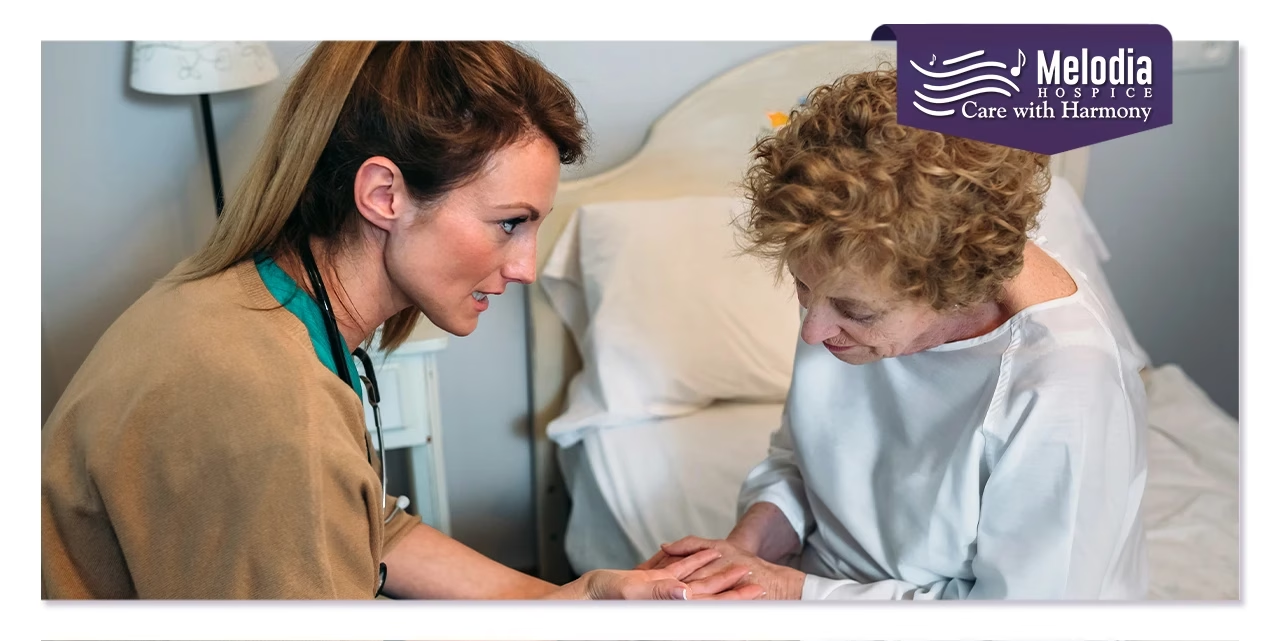
What is Hospice Respite Care?
One of the most fulfilling yet physically and emotionally taxing obligations is tending to a loved one suffering a terminal illness. As a caregiver, you give so much of yourself

Hospice and Palliative Care for Multiple Myeloma Patients
Multiple myeloma has several treatment options and clinical trials. However, when a patient’s condition stops responding to treatments, many choose to transition to hospice care to focus on comfort in
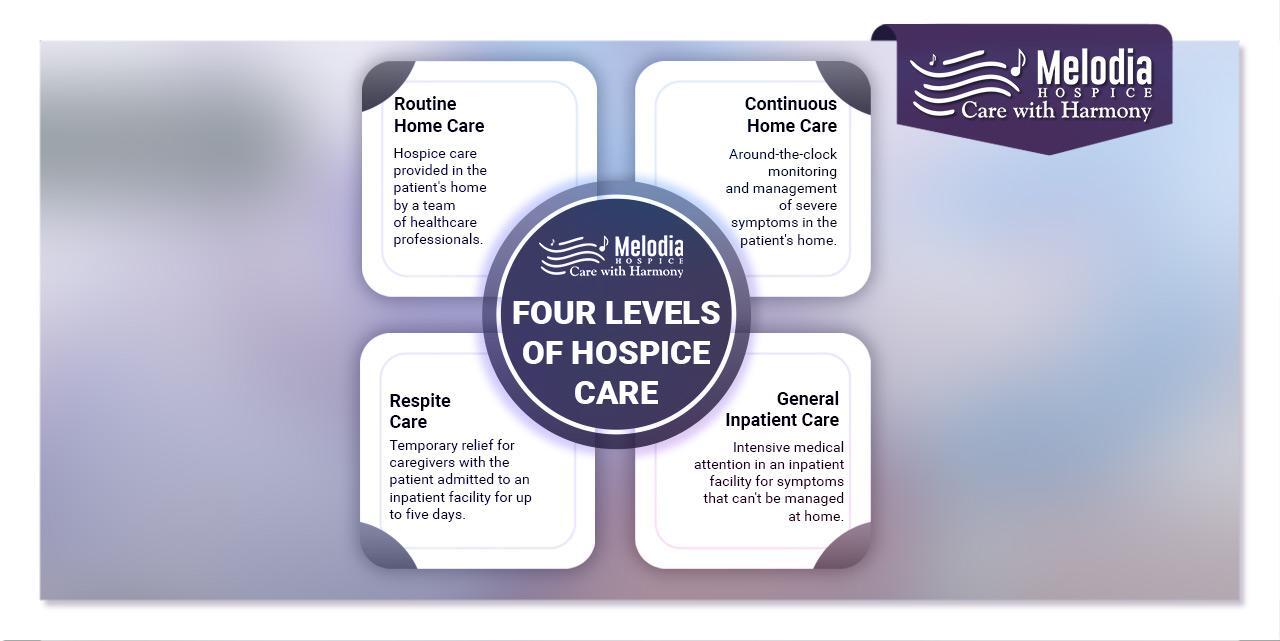
What are the four levels of hospice care?
What Are the Four Levels of Hospice Care? Hospice care comforts supports, and honor the dying. When your doctor says you or a loved one has six months or less

Comprehensive Guide to Hospice Care for Sepsis: Understanding, Support, and Comfort
Sepsis is a life-threatening condition that develops rapidly and requires immediate medical attention. Unlike chronic illnesses that typically lead to hospice care, sepsis can escalate quickly, necessitating urgent intervention. At

Why Choose Hospice Care? A Compassionate Approach to Melodia Care
Patients and families facing a serious illness often have options to improve comfort and quality of life. Hospice care is one compassionate choice, offering support throughout life’s most difficult stages.

Hospice Stages of Dying Timeline
For the patient as well as their loved ones, the path through terminal illness and the last phases of life can be emotionally taxing. Comfort, dignity, and support during this

What to do When an Elderly Person Stops Eating?
When our loved ones grow older, they may experience changes in appetite or even stop eating entirely. This can be particularly concerning for caregivers and family members, as food is

How Can Hospice Patients Benefit from Music Therapy?
Music therapy has emerged as a powerful tool for hospice patients, offering comfort and enhancing quality of life when traditional medical treatments fall short. This therapy helps address the emotional

How Do Hospice Care Providers Help with Emotional Support?
Emotional support is essential to the well-being of a loved one receiving hospice care. In addition to managing the physical symptoms of terminal disease, hospice care specialists assist patients and
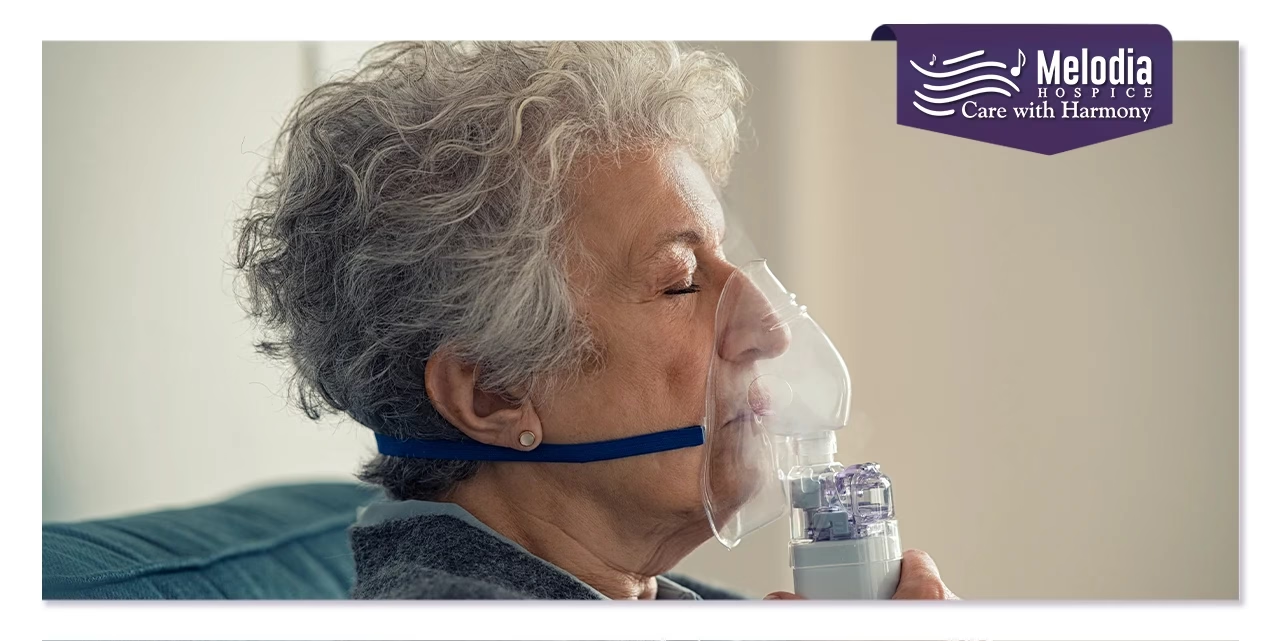
Hospice Criteria For Pulmonary Fibrosis
Who do you belong to the patient, the carer, or the family? Find out how Melodia Care hospice can help patients who are suffering from COPD and other types of

When Is Hospice Called In For Cancer Patients?
Usually adopted for cancer patients when curative treatments are no longer viable, and life expectancy is six months or fewer, hospice care is called in. Hospice focuses on controlling symptoms,

Do Dementia Patients Forget How to Breathe
Is it possible to die from dementia? Alzheimer’s disease affects more than just your ability to remember things. It is a dangerous, progressive condition that is, in the end, lethal

How To Keep Oxygen On A Dementia Patient
In dementia, the loss of cognitive functioning (thinking, remembering, and reasoning) has progressed to the point where it is interfering with a person’s everyday activities and activities of daily living.