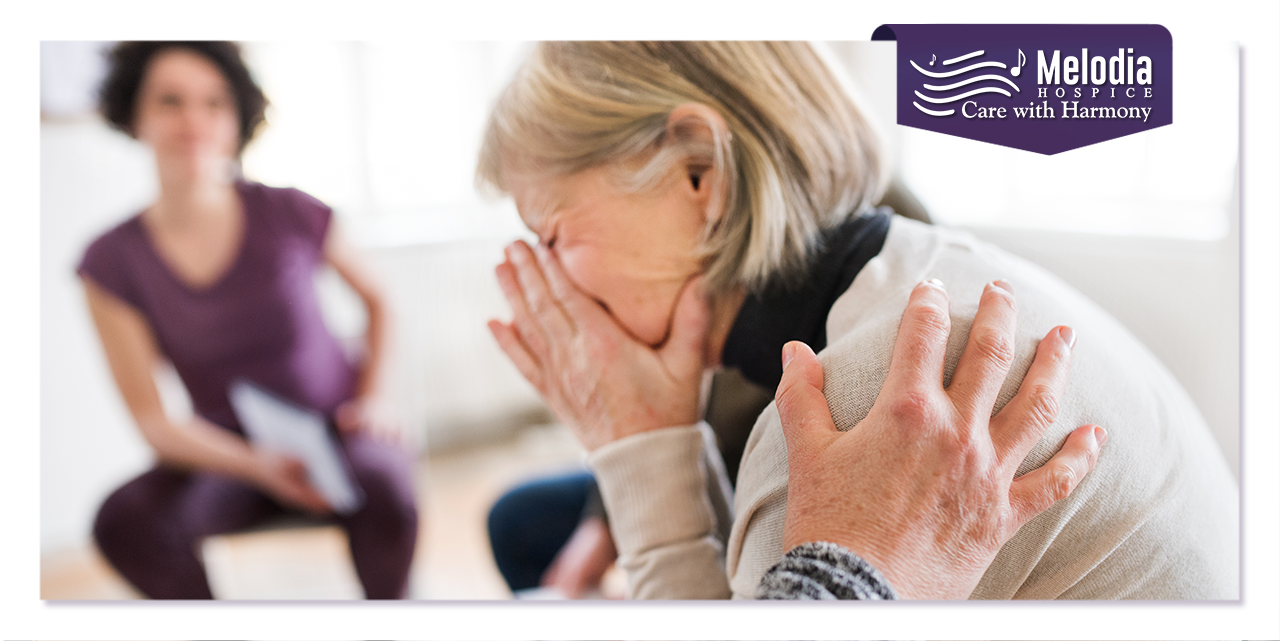

Families often wonder how long their loved one with cancer will be in hospice care. At Melodia Care Hospice, this is one of the most common and emotional questions we get. Understanding the average time in hospice for cancer patients, the factors influencing this duration, and the nature of the experience can provide comfort and understanding during difficult times.
In this comprehensive guide, we’ll discuss the average duration of hospice care for cancer patients, indicators that suggest hospice eligibility, and what families can anticipate from this compassionate level of care.
What Is Hospice Care?

Hospice care is specialized medical care developed for individuals with terminal illnesses who are no longer pursuing curative treatments. The main goals are to improve quality of life, manage pain, and offer emotional, spiritual, and mental support. Hospice care can be given in many places, such as at home, in a hospice center, in a hospital, or in a nursing home.
At Melodia Care Hospice, we help both patients and their families by taking a whole-person, caring approach that respects their dignity and comfort in the last stages of life.
Why Do Cancer Patients Need Hospice?

Cancer is one of the most common diagnoses among hospice patients. Hospice is an important resource when cancer has progressed to the point where treatments no longer help or improve quality of life. It lets patients focus on comfort, spend quality time with loved ones, and get expert help with their symptoms without having to go through harsh medical procedures.
Average Time in Hospice for Cancer Patients

National Average
According to the National Hospice and Palliative Care Organization (NHPCO), the average length of stay in hospice for cancer patients is about 19 days. However, this is just an average—some patients may spend only a few days in hospice, while others may remain for several months.
Variability Based on Diagnosis
Cancer progression varies significantly by type, treatment history, and patient response. For instance:
- Pancreatic or liver cancer often leads to shorter hospice stays due to rapid progression.
- Breast or prostate cancer patients may have longer hospice durations if the decline is more gradual.
- Late referrals often result in very short stays, sometimes only days before passing.
Timing of Referral
Unfortunately, many patients are referred to hospice late in their illness. This delay often stems from:
- One common reason for this delay is a desire to prolong the course of treatment.
- There is often a misapprehension about the services that hospice provides.
- Difficulty accepting that the illness is terminal.
Early hospice referral allows patients and families to benefit from emotional and physical support for a longer period. At Melodia Care Hospice, we encourage timely conversations about care options so that no one has to face this journey alone.
Signs It May Be Time for Hospice
Families and physicians may consider hospice care when:
- The patient has a life expectancy of six months or less if the illness runs its normal course.
- Curative treatments are no longer effective or desired.
- The patient is experiencing uncontrolled pain, frequent hospitalizations, or weight loss and fatigue.
- There’s a decline in daily functioning—difficulty walking, eating, or speaking.
Hospice eligibility for cancer patients also depends on specific medical criteria and the overall clinical picture.
What Influences the Duration of Hospice Stay?

Several factors can affect how long a cancer patient remains in hospice care:
1. Stage and Type of Cancer
Some cancers progress more aggressively than others, leading to shorter hospice stays. Others, like certain hematologic cancers, may allow for a longer palliative phase.
2. Patient’s Overall Health
A patient’s general health before entering hospice impacts their survival. Those with co-existing conditions may experience a faster decline.
3. Timing of Diagnosis
Patients who are diagnosed at an already advanced stage may have a shorter hospice duration.
4. Willingness to Transition
Some families wait until the final days to accept hospice, limiting the supportive care patients can receive in their last months.
5. Quality of Support
Patients receiving consistent, compassionate care tend to live longer and with a better quality of life—even in hospice.
Benefits of a Timely Hospice Admission

Choosing hospice earlier provides many advantages:
- Better symptom control: We manage pain, nausea, and breathing problems more effectively.
- Emotional and psychological support: Social workers and chaplains help both patients and families navigate grief, anxiety, and fear.
- Family support: Caregivers receive respite, guidance, and training.
- Dignified end-of-life care: Patients have control over where they die and how they are remembered.
Hospice Services for Cancer Patients at Melodia Care

At Melodia Care Hospice, we specialize in cancer-related hospice services. We offer:
- 24/7 nursing care and pain management
- On-call physicians and support staff
- Home visits for care and comfort
- Bereavement services for families
- Volunteer and chaplain support
Our goal is to ensure every moment is as meaningful, peaceful, and comfortable as possible.
What to Expect Emotionally

Going through hospice care is as much an emotional journey as it is a physical one. Patients with cancer may go through waves of sadness, anxiety, rage, and acceptance. Family members may feel confused or overwhelmed.
At Melodia Care Hospice, our social workers and counselors help families get ready emotionally, talk to one another honestly, and find peace in the last days of their loved one’s life.
Dispelling Myths About Hospice and Cancer

Let’s address some common misconceptions:
Myth: Hospice means giving up.
Truth: Hospice means choosing quality of life, comfort, and dignity.
Myth: Hospice is only for the final days.
Truth: Hospice can provide months of support, and earlier admissions lead to better care outcomes.
Myth: You can’t return to treatment once you enter hospice.
Truth: While hospice focuses on comfort, patients can leave and return to treatment if their condition improves or goals change.
FAQs
How long can a cancer patient live in hospice?
Hospice is intended for patients with a life expectancy of six months or less, but patients can remain in care as long as they continue to meet eligibility criteria. Some live weeks; others live months.
What happens if a cancer patient lives longer than six months in hospice?
The patient can continue receiving hospice care with proper recertification from the medical director.
What is the best time to start hospice for cancer?
As soon as curative treatments are no longer effective or desired, and life expectancy is six months or less.
Can hospice care be provided at home?
Yes, many cancer patients receive hospice care in the comfort of their home, surrounded by loved ones.
Final Thoughts
Cancer is a very serious disease, and when treatments that can cure it are no longer working, hospice care is a kind and empowering option. Cancer patients usually spend around 19 days in hospice, but commencing treatment sooner ensures they get better support and respect during the last days of their lives.
We at Melodia Hospice are there for patients and their families every step of the way. We provide more than just medical treatment; we also provide a deep, human connection that offers solace when it matters most.
Need Help?
Call Melodia Care Hospice immediately if you are thinking about hospice care for a loved one with cancer. Our team is ready to help you with your inquiries, give you an assessment, and provide the support you need.