

Usually adopted for cancer patients when curative treatments are no longer viable, and life expectancy is six months or fewer, hospice care is called in. Hospice focuses on controlling symptoms, lowering discomfort, and improving the quality of life during the patient’s final months. It emphasizes healing the disease by offering comfort and support, enabling the patient to live as fully and comfortably as possible.
When Hospice is Needed for Cancer Patients

Several indicators point to the need to consider hospice care for a cancer patient:
- Ineffectiveness of Cancer Treatments: When cancer treatments, such as radiation or chemotherapy, stop improving the illness or extending life expectancy, and the inability to respond to treatment becomes apparent.
- Frequent Hospital Visits: Regular trips to the hospital or multiple ER visits due to complications or symptom aggravation.
- Persistent Symptoms: When a patient suffers from chronic pain, tiredness, loss of appetite, weight loss, or respiratory problems, hospice care can offer comfort and relief.
- Declining Functional Abilities: If the patient has difficulty with daily activities, such as bathing, dressing, or eating independently, and their functional abilities are deteriorating.
- Emotional and Spiritual Needs: As emotional and spiritual requirements increase toward the end of life, hospice provides specialized treatment to support both the patient and their loved ones.
The Benefits of Hospice for Cancer Patients

Hospice care offers a multidisciplinary team that includes doctors, nurses, social workers, and counselors. This team addresses not only physical ailments but also psychological, spiritual, and emotional needs. They work closely with families to guide them through the phases of end-of-life care and help them understand what to expect.
One of the main benefits of hospice care is that it allows cancer patients to spend their final days in the comfort of their own home or another preferred setting, surrounded by their loved ones. This creates a peaceful and meaningful environment during an extremely challenging time.
The hospice team is particularly skilled in managing the complex symptoms that often accompany cancer, such as severe pain, nausea, and difficulty breathing (dyspnea), ensuring the patient remains comfortable.
Additionally, hospice care is not just for the patient but also provides significant support for the family. Hospice offers counseling to help family members cope with the emotional toll of the illness, along with guidance on how to care for their loved one.
When to Discuss Hospice Care

It is never too early to discuss hospice care when cancer therapies are no longer working. Having early conversations with healthcare practitioners can allow patients and families to plan for the best possible quality of life and better understand their options. Hospice care focuses on comfort, dignity, and the ability to spend quality time with loved ones, helping patients live fully without losing hope.
The Role of Melodia Care Hospice
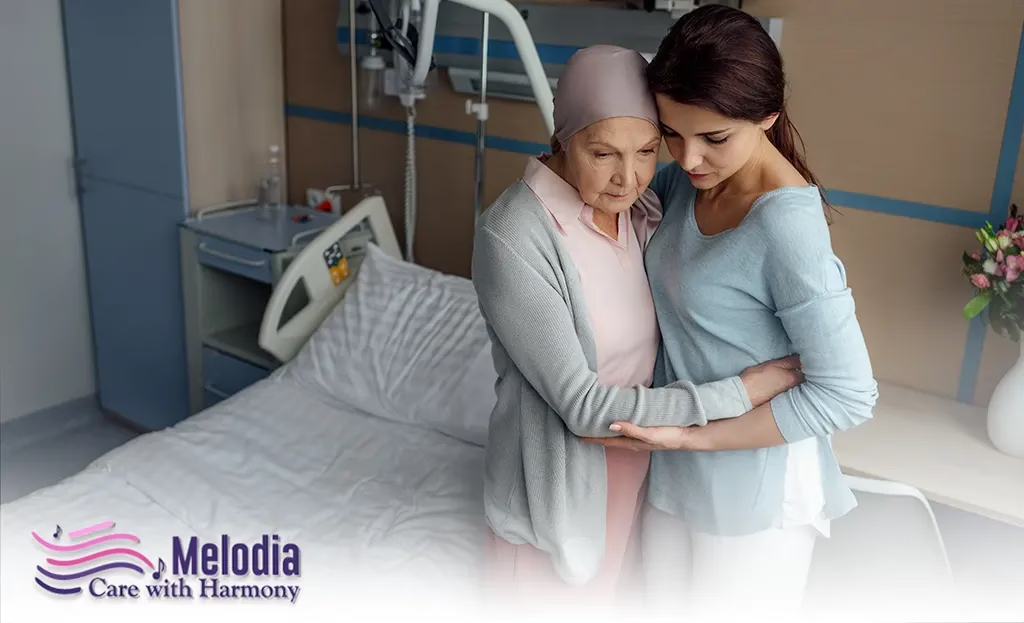
At Melodia Care Hospice, we are committed to providing compassionate and professional care for cancer patients and their families. We understand the complexities of hospice care, which is why our specialized team offers individualized treatment that goes beyond managing the physical symptoms of cancer. We also address the emotional and psychological challenges that accompany this difficult journey, offering support and comfort at every stage.
Our services include not just symptom management, but also spiritual care, grief counseling for family members, and guidance in navigating the challenges of end-of-life decisions. We work closely with patients and families to ensure they feel heard, supported, and understood.
Conclusion
Hospice care is an essential resource for cancer patients, offering symptom management and compassionate support when treatments are no longer effective. It ensures that patients experience comfort and dignity in their last months and provides families with the emotional and practical support they need during this difficult time. By offering an all-encompassing approach to care, hospice is a crucial service for people living with cancer and their families, improving the quality of life during a challenging journey.
Melodia Care Hospice is here to help you and your loved ones through this trying time. Whether you’re considering hospice care or seeking more information, we offer the support and guidance you need to navigate these difficult decisions with compassion and care.

FAQs
When should hospice be considered for cancer patients?
When cancer treatments stop working and the person is expected to live for six months or fewer, hospice should be an option. This usually happens when the goal changes from curing the condition to making life better and more comfortable.
Can a cancer patient receive hospice care at home?
Most cancer patients do get hospice care at home or at a place they know well. This lets them be with family and friends while getting professional medical and emotional help that is right for them.
What are the signs a cancer patient needs hospice care?
Frequent trips to the hospital, persistent pain, rapid weight loss, weariness, lack of appetite, shortness of breath, and a big drop in daily functioning and quality of life are all common indicators.
What kinds of cancer patients can get hospice care?
People with any type of advanced or terminal cancer, such as lung, breast, prostate, colon, or pancreatic cancer, may be able to get hospice care if curative treatment is no longer working and they have fewer than six months to live.
5. Does Medicare pay for hospice care for people with cancer?
Yes, Medicare Part A usually pays for hospice services for cancer patients who meet certain criteria. These services include medical care, pain management, drugs linked to the terminal condition, and support for the patient and their family.