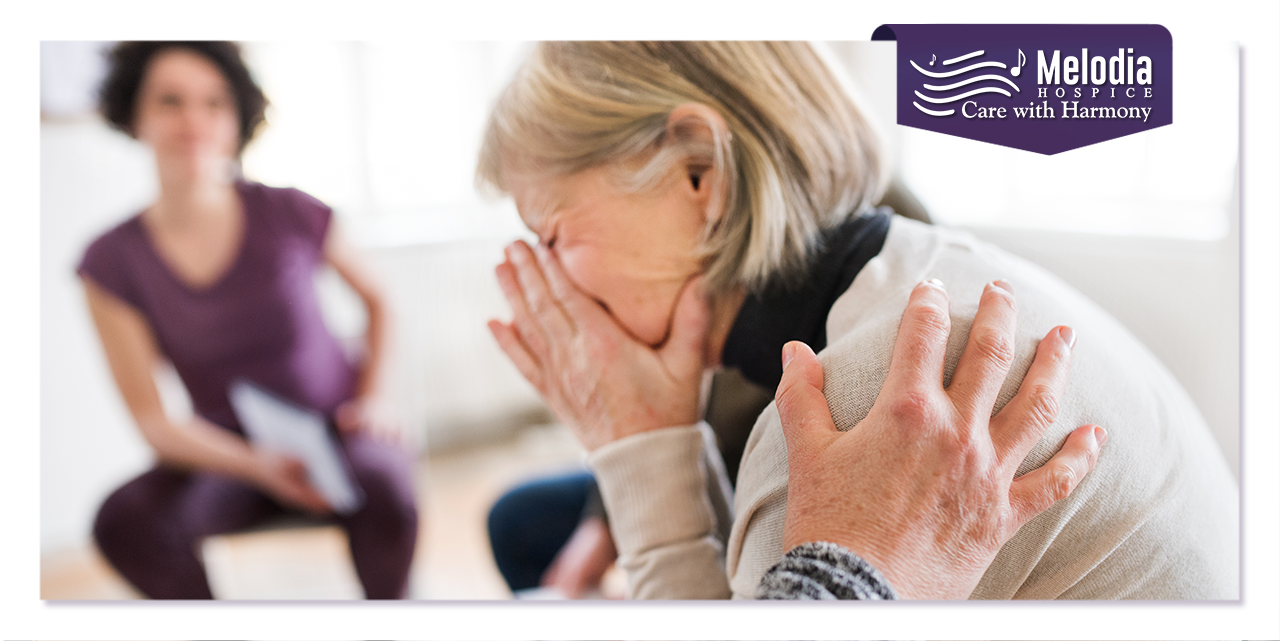

When a loved one is seriously ill or passes away, it is natural to feel an overwhelming sense of loss. For families supported by Melodia Care Hospice, feelings of sadness and grief often surface as part of the healing journey. However, many people wonder: What is the difference between sadness (grief) and depression?
Although grief and depression share certain emotional symptoms, they are not the same. Understanding these differences can help families, caregivers, and patients recognize when normal sadness becomes something more serious, and when to seek professional support.
In this guide, we’ll explore the distinctions between sadness, grief, and depression, how they overlap, and how hospice care provides emotional support for patients and families navigating these challenges.
What is Grief?

Grief is a natural emotional response to loss. It often occurs when a loved one passes away, but it can also be triggered by other significant changes, such as a terminal diagnosis, loss of independence, or moving away from familiar surroundings.
Key Characteristics of Grief:
- Emotional Waves – Grief often comes in waves. You may feel sadness, anger, guilt, or relief at different times.
- Connection to Loss – Grief is directly linked to a particular loss or situation.
- Preserved Self-Esteem – Unlike depression, grief doesn’t typically destroy your self-worth.
- Ability to Experience Joy – Even while grieving, people can still experience moments of happiness or laughter.
Grief is not a medical condition; it is a healthy, human response to loss.
What is Depression?
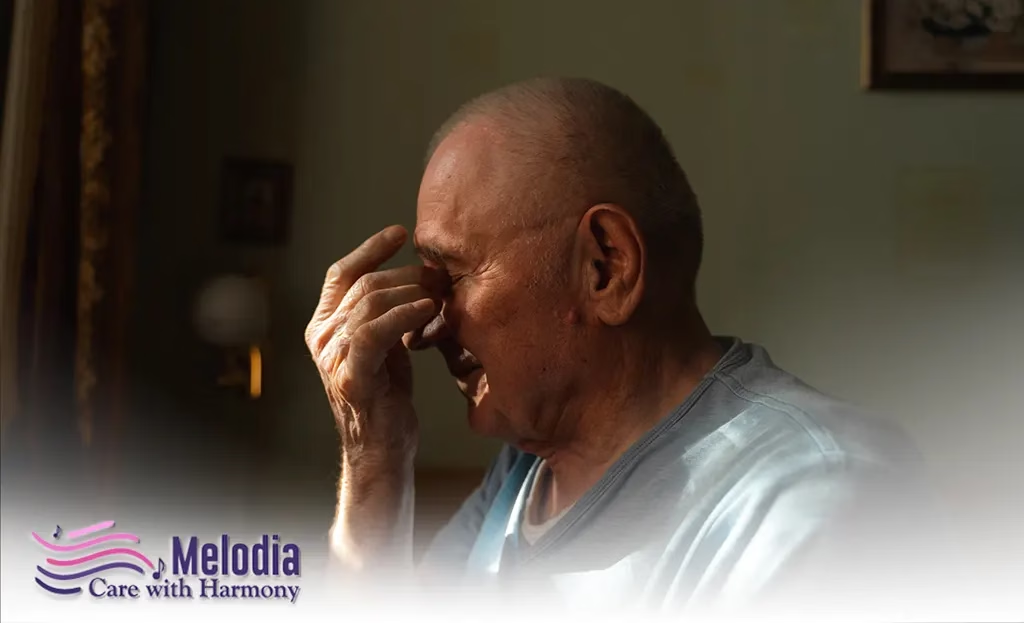
Depression, on the other hand, is a mental health condition that goes beyond normal sadness. It is persistent, affects daily functioning, and often requires medical or therapeutic intervention.
Key Characteristics of Depression:
- Persistent Sadness – Lasts for weeks or months, not just days.
- Loss of Interest – Activities that once brought joy no longer feel fulfilling.
- Feelings of Worthlessness – Intense self-criticism, guilt, or hopelessness.
- Physical Symptoms – Changes in appetite, sleep, energy, or concentration.
- Suicidal Thoughts – In severe cases, individuals may have thoughts of self-harm.
Unlike grief, depression is not always tied to a specific loss—it can arise without an identifiable cause.
Sadness (Grief) vs. Depression: The Key Differences
| Aspect | Grief (Sadness) | Depression |
| Trigger | Specific loss (death, illness, separation) | May occur with or without a clear cause |
| Duration | Episodic; comes in waves | Persistent; daily for weeks/months |
| Self-Esteem | Usually intact | Often damaged or negative self-view |
| Emotions | Sadness, anger, regret, even relief | Hopelessness, emptiness, numbness |
| Functionality | Can still find joy and purpose at times | Severe difficulty functioning daily |
| Resolution | Eases with time and support | May worsen without treatment |
Can Grief Turn Into Depression?

Yes, prolonged or complicated grief can develop into clinical depression. This is often referred to as complex grief disorder or prolonged grief disorder, where the person struggles to adapt to loss over many months or years.
Warning signs that grief may have developed into depression include:
- Persistent feelings of hopelessness
- Inability to find joy, even temporarily
- Withdrawal from family, friends, and activities
- Ongoing physical symptoms like fatigue or insomnia
- Thoughts of suicide or self-harm
Why It Matters in Hospice Care

At Melodia Care Hospice, our role is not only to support patients with advanced illness but also to help families cope with emotional challenges. Understanding the difference between sadness and depression ensures:
- Proper Emotional Support – Families can receive grief counseling to process loss in healthy ways.
- Early Intervention – When depression is suspected, referrals to mental health professionals can prevent worsening symptoms.
- Compassionate Communication – Knowing the distinction helps caregivers respond more empathetically to patients and families.
Coping Strategies for Grief

- Allow Yourself to Feel – Suppressing emotions can prolong healing.
- Seek Support – Talking with friends, family, or a hospice grief counselor can provide comfort.
- Honor Your Loved One – Rituals, journaling, or creating a memory book can bring meaning.
- Take Care of Your Health – Sleep, nutrition, and exercise can ease emotional pain.
- Be Patient with Yourself – Healing from grief takes time and looks different for everyone.
Coping Strategies for Depression

If depression is suspected, more structured interventions are needed:
- Professional Counseling – Therapy can provide tools to challenge negative thought patterns.
- Medical Treatment – Antidepressants may be prescribed when appropriate.
- Routine and Structure – Daily routines provide stability.
- Physical Activity – Even light exercise helps release mood-boosting endorphins.
- Hospice Emotional Support – Hospice care teams offer counseling and connect families with local mental health resources.
How Hospice Supports Families with Grief and Depression

At Melodia Care Hospice, we understand that emotional and spiritual care is just as important as physical comfort. Our services include:
- Bereavement Counseling – Helping families process grief both before and after a loss.
- Emotional Support for Patients – Addressing fears, regrets, and sadness during end-of-life care.
- Family Support Groups – Connecting people with others going through similar experiences.
- Holistic Care – Incorporating chaplain support, social workers, and volunteers for compassionate presence.
When to Seek Help
It can be difficult to know when sadness has crossed into depression. Families should seek professional help if:
- Symptoms last longer than two months
- Emotional pain worsens instead of easing
- The grieving person is unable to care for themselves
- There are signs of suicidal thoughts or behaviors
Hospice care teams can help connect families with the right resources at the right time.
FAQs About Grief vs. Depression
Is grief considered a mental illness?
No, grief is a natural human response to loss. However, prolonged or complicated grief may require professional support.
How do I know if it’s grief or depression?
Grief is usually tied to a specific loss and comes in waves, while depression is persistent, affects self-esteem, and interferes with daily life.
Can grief counseling help prevent depression?
Yes, early support through counseling can help individuals process loss in healthy ways and reduce the risk of depression.
How does hospice help families with grief?
Hospice provides counseling, support groups, and ongoing bereavement services to help families cope both before and after loss.
Can someone experience both grief and depression at the same time?
Yes, it’s possible to grieve and also develop clinical depression. In these cases, professional support is strongly recommended.
Can someone experience both grief and depression at the same time?
Yes, it’s possible to grieve and also develop clinical depression. In these cases, professional support is strongly recommended.
Final Thoughts
Grief and depression are often confused, but they are very different experiences. Grief is a natural and expected response to loss, while depression is a medical condition requiring treatment. Recognizing these differences helps families and caregivers provide the right kind of support.
At Melodia Care Hospice, we are committed to helping families navigate both grief and depression with compassion, understanding, and professional guidance. Whether you are coping with loss or concerned about depression, our team is here to walk with you every step of the way