

Grief is one of the most universal human experiences, yet it is also one of the hardest to face. When we lose someone we love, the world can feel unfamiliar, heavy, and even unfair. Everyday moments like hearing a favorite song, sitting at the dinner table, or walking past a familiar place, can bring waves of sadness.
At Melodia Care, we understand that grief is not something you simply “get over.” It is something you learn to live with, and over time, you discover ways to carry it while still moving forward. There is no right or wrong way to grieve, but there are healthy ways to walk through the journey so that the pain becomes more bearable, and life eventually feels meaningful again.
This blog explores what grief looks like, how it affects us, and the practical steps you can take to cope with it while honoring your loved one’s memory.
Understanding Grief

Grief is a natural emotional response to loss. While it is most often associated with death, it can also come from other types of loss, such as the end of a relationship, the loss of health, or a major life change.
For families in hospice, grief may begin even before death happens. This is often called anticipatory grief when people feel sorrow not only for what is happening now, but also for the loss they know is ahead.
Grief can be:
- Emotional: sadness, anger, guilt, relief, or even numbness.
- Physical: fatigue, headaches, changes in appetite, or sleep disturbances.
- Mental: difficulty concentrating, forgetfulness, or a sense of disbelief.
- Spiritual: questioning faith, searching for meaning, or feeling disconnected.
Each person’s grief is unique. Two siblings may grieve in very different ways for the same parent. The important thing is to understand that grief has no set timeline and no single “correct” expression.
The Stages of Grief: A Helpful Framework
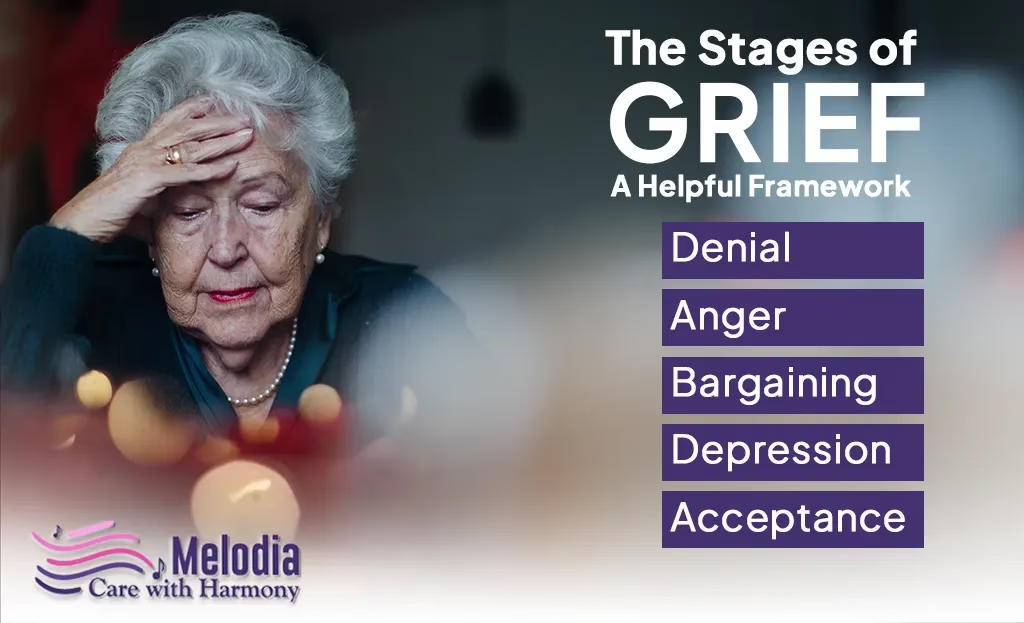
One of the most well-known ways of understanding grief is through the five stages identified by psychiatrist Elisabeth Kübler-Ross:
- Denial: feeling shock or disbelief, as though the loss hasn’t truly happened.
- Anger: frustration and questioning, sometimes directed at others, oneself, or even at God.
- Bargaining: thoughts of “what if” or “if only,” imagining ways the outcome could have been different.
- Depression: deep sadness, withdrawal, and recognition of the permanence of loss.
- Acceptance: acknowledging the reality of the loss and learning how to move forward while holding the memory of the loved one.
Not everyone goes through these stages in order, and many people revisit them multiple times. Instead of a checklist, think of them as emotional waves that may come and go.
Healthy Ways to Deal with Grief

While grief cannot be erased, there are compassionate and practical ways to cope with it. Here are some approaches that can help:
1. Allow Yourself to Feel
Many people feel pressure to “stay strong” for others or to keep emotions hidden. But pushing emotions aside often prolongs the pain. Permit yourself to cry, to feel angry, or to sit in silence. Emotions are part of the healing process, not a sign of weakness.
2. Lean on Support
You don’t have to carry grief on your own. Reach out to friends, family, or community members. Sometimes talking openly about your feelings brings relief. Other times, simply sitting with someone who understands can be comforting. In hospice care, grief counselors and chaplains are often available to support both patients and families.
3. Take Care of Your Body
Grief can significantly impact your physical health. Try to maintain regular meals, get enough rest, and stay active through gentle exercises like walking or stretching. Even small routines like drinking water or keeping a consistent bedtime help restore balance when everything feels overwhelming.
4. Express Yourself Creatively
Writing in a journal, painting, or making a memory scrapbook can help release emotions and preserve your loved one’s story. For others, music, prayer, or meditation may bring comfort. Creative expression turns grief into something tangible, making it easier to process.
5. Create Rituals of Remembrance
Finding ways to honor your loved one’s memory can bring both comfort and connection. Lighting a candle, visiting a special place, or sharing stories with family can become meaningful rituals. Anniversaries and birthdays may be difficult, but choosing to mark them with love can provide peace.
6. Accept Help When Offered
Friends often want to help but may not know how. If someone offers to cook a meal, run an errand, or simply sit with you, say yes. Accepting support is not a burden; it is an important part of healing.
7. Give Yourself Time
Grief does not follow a schedule. Some people begin to feel lighter within months, while others may struggle for years. Be patient with yourself. Healing happens gradually, and progress may look different from day to day.
When Grief Feels Overwhelming
Sometimes, grief can feel unbearable. You may find yourself unable to function at work, withdrawing from relationships, or struggling with intense emotions for long periods. In these moments, professional support becomes especially important.
Counselors, grief therapists, and support groups provide safe spaces to share your story and learn coping skills. Hospice organizations, including Melodia Care, also offer bereavement services for families for up to 13 months after a patient’s passing.
If grief develops into prolonged depression or harmful thoughts, it is crucial to seek immediate professional help. Asking for support is not a weakness; it is a courageous step toward healing.
Finding Meaning Beyond Loss

Although grief never completely disappears, many people eventually find meaning in their loss. This may come from honoring their loved one’s legacy, helping others, or discovering a renewed sense of purpose.
Some people choose to volunteer, support hospice programs, or start traditions that celebrate their loved one’s life. Finding meaning does not lessen the love you feel for the person who has passed—it allows you to carry that love forward in new and powerful ways.
Conclusion
Grief is a journey that reshapes us. It can feel isolating, but it is also a reminder of the deep love we hold for those who are no longer with us. By allowing yourself to feel, seeking support, and embracing healing rituals, you can learn to carry grief with gentleness and strength.
At Melodia Care, we walk alongside families not only during hospice but also in the days, months, and years after. You are not alone. Healing takes time, but with compassion and support, peace is possible.
(FAQs)
How long does grief usually last?
Grief has no set timeline. For some, the intensity lessens within months, while for others it may take years. Healing is gradual and personal.
What is the difference between grief and depression?
Grief often comes in waves and is tied to a specific loss, while depression is more constant and may not have a clear cause. If sadness is persistent and interferes with daily life, professional support may be needed.
Is it normal to feel relief after a loved one passes?
Yes. Especially when someone has suffered from illness, relief can be part of grief. It does not mean you loved them less—it means you are human and grateful they are no longer in pain.
How can I help a grieving friend or family member?
Listen without judgment, offer practical support, and simply be present. Avoid clichés like “move on” and instead say, “I’m here for you.”
Does hospice provide support after a loved one’s death?
Yes. Most hospice programs, including Melodia Care, provide bereavement services such as counseling, support groups, and resources for up to a year or more after a patient’s passing.