

The process of planning for hospice care can feel overwhelming, particularly for families who are already coping with medical and emotional challenges. A clear and concise checklist can make the process more manageable and help ensure that no important details are left out. Planning for hospice care is not only about medical support. It also involves preparation for emotional needs, practical arrangements, and understanding available support.
A planned method allows families to make informed decisions without feeling pressured. It also reduces uncertainty and helps ensure that care is aligned with the person’s individual needs and preferences. If you’re new to this type of care, understanding the concept of palliative care and how it supports individuals with serious illness can be a helpful starting point.
What Is a Hospice Planning Checklist?
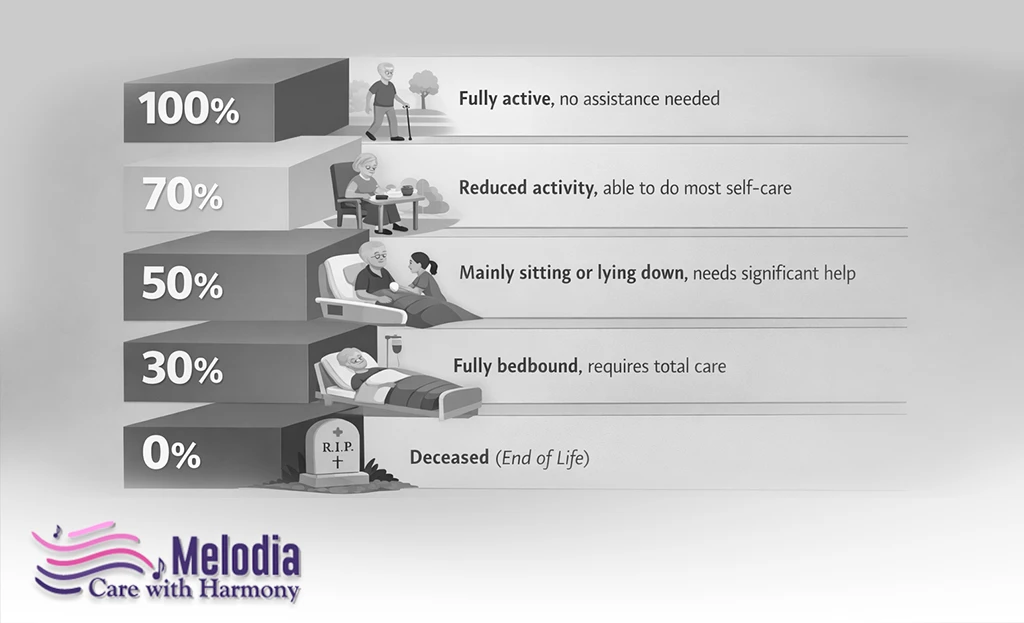
A hospice planning checklist is a step-by-step guide that helps families prepare for comfort-focused care. It outlines important areas such as medical decisions, daily care needs, legal documents, and emotional support.
This checklist can be helpful both before hospice care begins and during the transition. It helps families stay organized and focused, while ensuring comfort and dignity for their loved ones.
Key Steps in a Hospice Planning Checklist

1. Understand Care Needs
First, understand the patient’s condition and the level of support required. Discussions with a healthcare provider can help clarify symptoms, possible changes, and available support options.
It can also help to understand the difference between hospice care and other types of care. Learning how palliative care and hospice care differ may support informed decision-making.
2. Choose the Right Care Setting
Hospice care may be provided at home, in a nursing facility, or in a dedicated hospice setting. Families may consider which environment feels most comfortable and practical.
Things to think about include:
- Caregiver availability
- The patient’s medical needs
- Comfort of the surroundings
Choosing a suitable setting can help support consistent and compassionate care.
3. Organize Medical Information
Keeping medical information in one place is important. This may include:
- Diagnosis and treatment history
- Medication lists
- Contact details for healthcare professionals
Staying organized can support clear communication and timely responses when needed.
4. Plan for Symptom Management
Controlling symptoms is a crucial element of the hospice process. Families must discuss medication regimens, pain management as well as emergency plan with their care professionals.
Knowing how symptoms are controlled can ease anxiety, and make families be more prepared for any changes in the patient’s health.
5. Arrange Legal and Financial Documents
Important documents should be reviewed and organized early. These may include:
- Advance directives
- Power of attorney
- Insurance and coverage details
Understanding coverage and financial aspects can help families feel more prepared when planning ahead.
6. Prepare for Daily Care Needs
Daily care may include support with bathing, eating, mobility, and medication. Families can consider who will provide care and whether additional help may be needed.
Caregivers may also explore respite care options to allow time for rest and balance.
7. Address Emotional and Family Support
Hospice planning also includes emotional preparation. Patients and families may experience a range of feelings, including stress or uncertainty.
Support may come from counselors, spiritual guidance, or support groups. Open communication within the family can help everyone feel more connected and supported.
To understand how comfort-focused services can benefit families and patients learn more about educational resources for palliative and hospice services to make informed decisions.
What Are Common Mistakes to Avoid in Hospice Planning?
Some families face challenges when planning begins later than expected.
Common challenges may include:
- Delaying important decisions
- Lack of organization of medical or legal documents
- Limited caregiver support
- Avoiding conversations about care preferences
Being aware of these challenges may help make the process smoother and less stressful.
Conclusion
A hospice planning checklist can offer clarity during a time that may feel uncertain. It provides a simple way to stay organized while focusing on comfort, dignity, and support. By preparing in advance, families may better understand care needs, organize important documents, and create a supportive environment for their loved one.
Focusing on emotional well-being, daily care, and practical planning can help reduce confusion and bring a sense of calm. Thoughtful preparation allows families to spend meaningful time together while ensuring that care aligns with the individual’s values and preferences. Even small steps in planning can make a meaningful difference in how this time is experienced.
FAQs
When should hospice planning begin?
Hospice planning can begin when a serious illness is identified or when care priorities begin to shift toward comfort-focused support.
What documents are needed for hospice planning?
Common documents include medical records, advance directives, insurance information, and legal authorizations such as power of attorney.
Can hospice care be provided at home?
Yes, hospice care is often provided at home, though it may also be available in hospice or nursing facilities depending on individual needs.
How can families manage caregiving responsibilities?
Families may receive support from care teams, use respite care services, and share responsibilities among family members.
Does hospice planning include emotional support?
Yes, emotional and psychological support is an important part of hospice care for both patients and families.
Disclaimer (HIPAA- and FDA-Safe): This blog is for informational purposes only and is not intended as medical or legal advice. It does not replace guidance from licensed healthcare professionals or attorneys. Care needs and legal requirements vary by individual and by state.