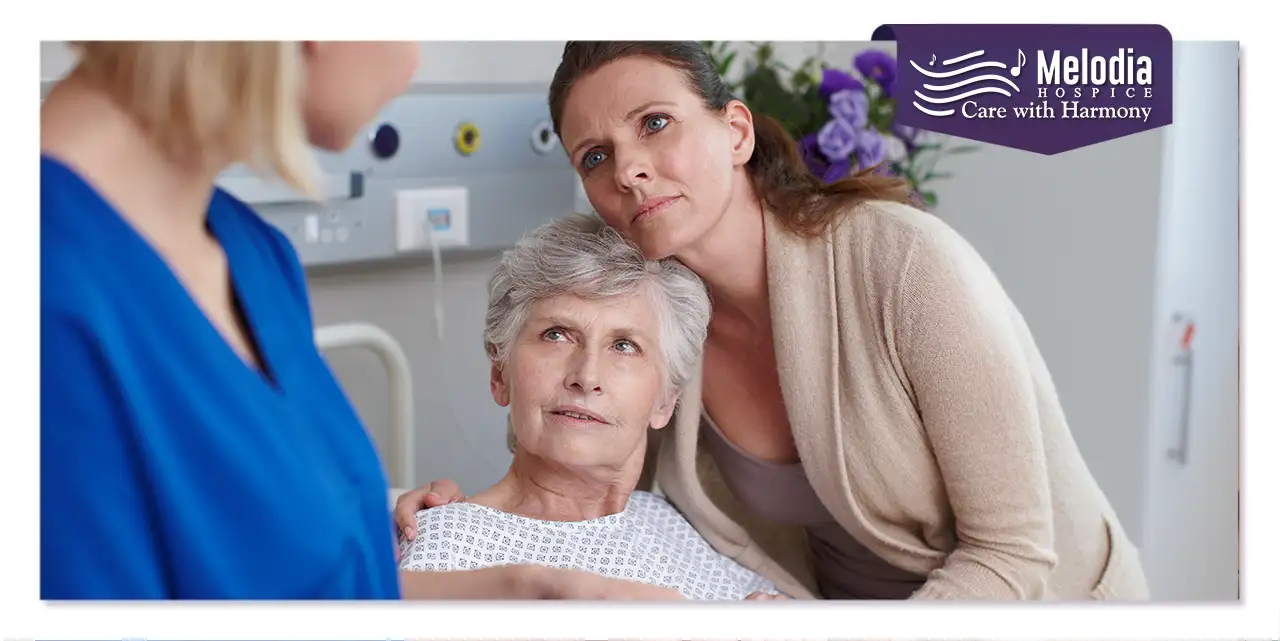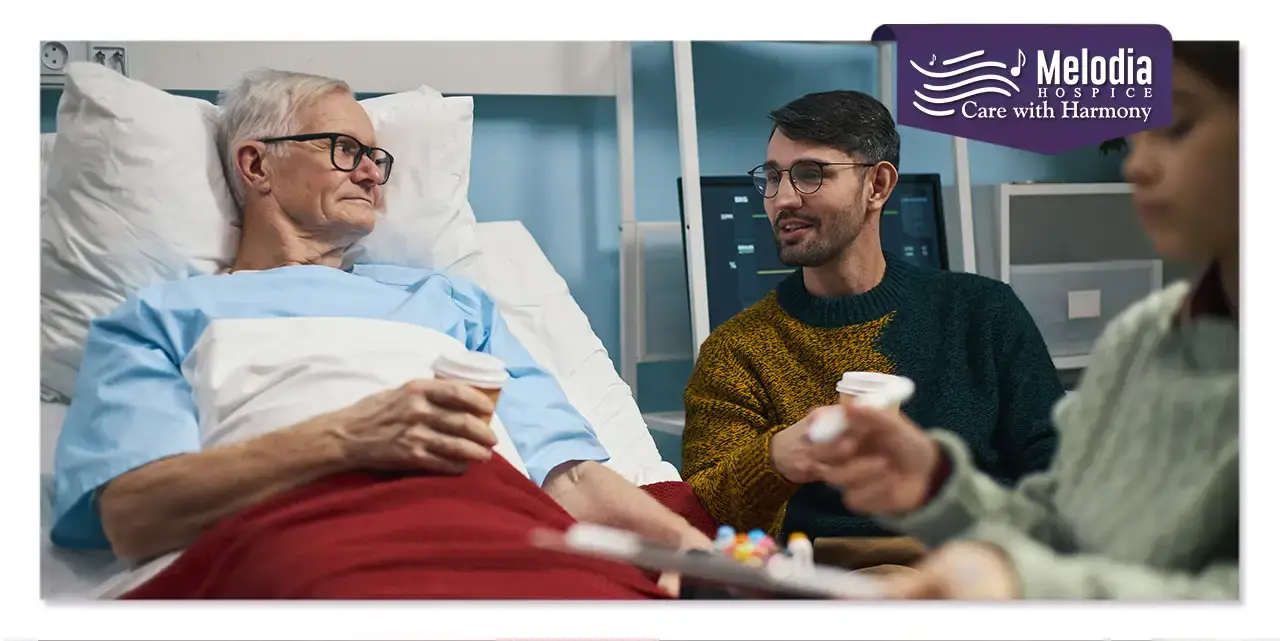

Hospice care is centered around dignity, comfort and the quality of life of people who are facing serious illnesses in communities across the nation. Together with nurses and doctors, volunteers play a crucial role in assisting patients along with their loved ones. Volunteer hospice care integrates caring community members into the care setting to offer support, companionship and genuine emotional assistance.
Most people are unaware that hospice care programs usually depend on dedicated trained volunteers. They devote their time and energy to assist other people in times of need. Their presence can make life easier for patients as well as provide families with the comfort of knowing that loved ones are not in isolation.
Those wishing to understand comfort-focused care may explore the definition of palliative care and how it assists patients with serious illnesses, which provides a stronger foundation for understanding these services.
What Is Volunteer Hospice Care?

Hospice care provided by volunteers refers to the assistance offered by compassionate skilled volunteers who support hospice teams to improve the wellbeing of patients and their families. Volunteers do not replace medical professionals. Instead, they enhance professional services by providing support and companionship for beyond medical needs.
The volunteers are given thorough orientation and support to ensure they are aware of the duties involved. Their duties could include spending moments with the patients, supporting minor tasks as well as providing assistance for family members caring for a loved one.
This type of support is a true reflection of the community-focused nature of hospice care — where human connections are at the very heart of the overall experience.
What Do Hospice Volunteers Actually Do?
Hospice volunteers assist in various ways based on the needs of the individual family member and patient.
Friendship and Companionship:
Many volunteers simply sit with their patients, talking, reading, or listening to music together. These meaningful interactions can significantly ease feelings of loneliness and provide a sense of connection.
Support for Families:
Caregivers often require a brief break from taking care of a loved one. Volunteers can offer temporary assistance to allow families to rest or attend to their own requirements.
Practical Assistance:
Volunteers can assist with minor household chores or administrative tasks to assist members of the Hospice team.
Families looking to learn about the different options for family caregiver support may want to explore how hospice respite care assists caregivers from the family by providing temporary relief that helps families maintain balance in their caregiving journey.
What Are the Benefits of Volunteer Hospice Care?
Hospice care that includes volunteers can provide significant advantages for patients as well as their families.Emotional connection: Volunteers bring warmth and companionship, which helps patients feel heard, valued, and less alone.
Reduced Caregiver Stress: Families caring for loved ones might find themselves overwhelmed at times. Volunteers can provide additional support which can help ease the pressures of daily life and restore a sense of balance.
Community Involvement:
Hospice volunteer programs invite residents to provide caring for patients. This helps strengthen the network of community support available for families and patients alike.
Enhanced Quality of Life:
Volunteer support serves as a meaningful complement to the care team, resulting in a holistic and compassionate care setting where every individual matters.
Those seeking to understand hospice care may explore the ways that hospice is different from palliative treatment to see how these services support patients facing serious illnesses.
How Do Volunteers Improve the Hospice Experience?
Volunteers provide the human touch to hospice care. While medical professionals concentrate on managing medical issues and care for patients, volunteers offer personal attention and companionship that directly boosts wellbeing.
A volunteer might sit with a patient to share stories, help them write letters to relatives, or simply provide a quiet, comforting presence. These kinds of moments can bring peace and comfort during stressful times.
They also assist families by showing compassion and understanding. They often remind families that caring isn’t just about treatment, but also about connection and compassion.
For families navigating these decisions, understanding who is responsible for the cost of palliative care and related services can help clarify the financial and coverage aspects of care.
Conclusion
Hospice care provided by volunteers plays a profound role in building the support system for patients and their families. Volunteers bring both emotional support and practical support that complements the work of healthcare professionals and brings warmth to the entire care experience.
Their presence reflects the caring values that drive hospice care. Through their dedication and energy, they help create precious memorable experiences for family members and patients during what can be stressful moments — turning ordinary days into meaningful ones filled with comfort, conversation, and genuine human connection.
Understanding how volunteer involvement enhances hospice care is a testament to the importance of community involvement in healthcare. With shared support and compassion, hospice care is not only a medical treatment, but also a connection with people that positively enhances the health and quality of life for everyone involved. When volunteers step forward, they remind us all that healing happens not just through medicine, but through the simple power of showing up, listening deeply, and being present.
FAQs
What is the job of a hospice volunteer?
A hospice volunteer offers comfort, emotional support and practical support for patients and their families. Their mission is to provide non-medical care that can complement medical care.
Do hospice volunteers receive training?
Yes. Volunteers typically complete comprehensive training programs which teach effective communication, patient support methods, and the essential guidelines for working in hospice settings.
Can volunteers help family caregivers?
Yes. Volunteers can provide companionship and support to patients while caregivers take brief breaks or attend to personal obligations, giving families valuable time to recharge.
Are hospice volunteers part of the healthcare team?
Volunteers support the healthcare team but are not medical professionals. Their role is to provide emotional and practical assistance that enhances the overall care experience.
Why are volunteers important in hospice care?
Volunteers enrich the hospice experience by providing companionship, empathy and a sense of community which improves the overall wellbeing of the patients and their families.
Disclaimer (HIPAA- and FDA-Safe): This blog is for informational purposes only and is not intended as medical or legal advice. It does not replace guidance from licensed healthcare professionals or attorneys. Care needs and legal requirements vary by individual and by state.