

Traumatic bereavement, also referred to as trauma-related grief, is a challenging type of mourning that takes place when someone loses a dear person in a sudden, brutal, or shocking manner. The loss can be overwhelming because it is difficult for the brain to comprehend the significance of the loss and the anxiety that comes from it. Instead of navigating grief in a typical way, one may feel trapped between grief and physical reactions to trauma. This causes a significant emotional burden that impacts everyday life.
People who suffer from this kind of grief frequently report feeling like the world has become less reliable or secure. They may struggle with sleep disturbances, changes in appetite, and moments of anxiety. Some people revisit the loss, whereas others are unable to process painful memories. This does not mean anyone is weak. They are simply signs of how deeply the shock has affected the body and mind. Recognizing this can help create space for compassion, understanding, and healing.
How Traumatic Bereavement Differs From Typical Grief

Every grief is painful, but traumatic grief is characterized by an added layer that makes it more difficult to process. Traditional grief is usually characterized by sorrow, longing, and emotional highs and lows. In traumatic grief, the suddenness of the death can trigger feelings of confusion, fear, and sometimes guilt. The mind is trying to relive the events in an attempt to make sense of them, making the emotional pain more intense. The combination of fear and grief causes healing to feel difficult and slow.
In normal grief, memories of the deceased can be comforting as time passes. In the case of traumatic grief, these memories can feel threatening because they are connected to the particular moment of loss. Some people are unable to think about the person they loved since it can cause anxiety. This can cause them to feel lonely, particularly if they feel that nobody understands what they are going through. The mix of trauma and grief makes it crucial to seek help earlier.
Common Signs of Traumatic Grief
The symptoms of traumatic grief can manifest physically, emotionally, and psychologically. People may experience profound sadness, fear, anger, anxiety, or feelings of numbness. The mind becomes overwhelmed, and it becomes difficult to concentrate. Certain people find themselves crying frequently, and others are unable to cry even once. Both of these reactions are normal responses to shock. As time passes, the emotional swings may seem a bit sluggish and confusing.
The symptoms can also manifest physically. Problems with sleep, headaches, and stomach issues, as well as the loss of energy, are typical. The body is tense as if safeguarding it from threats. People might withdraw from their friends and activities that they enjoyed previously or experience difficulty returning to work or school. These aren’t signs of failure. They indicate that the person requires compassion, understanding, and assistance.
Causes and Triggers of Traumatic Bereavement
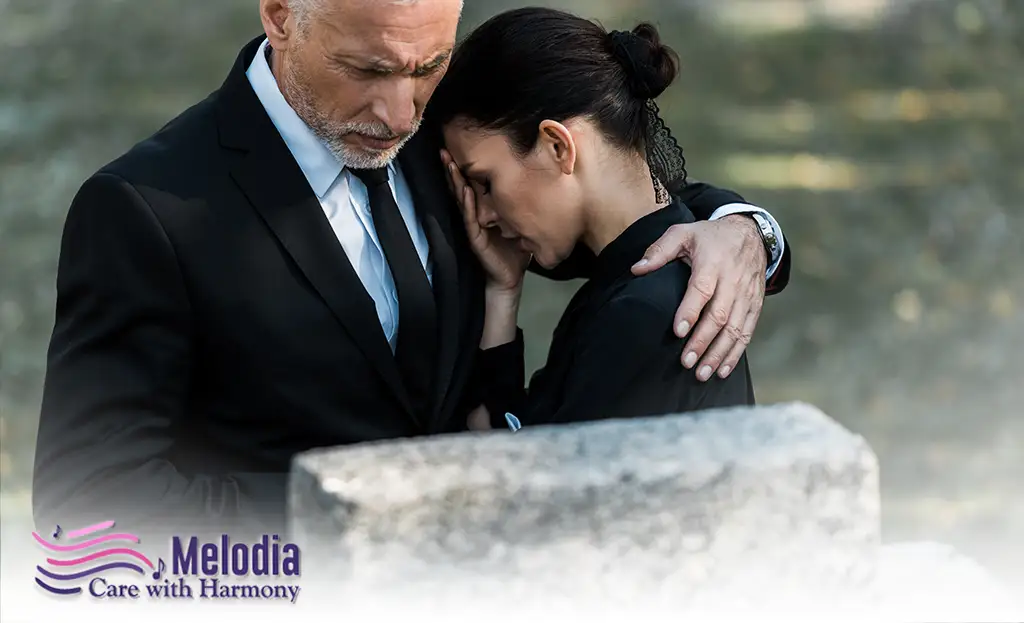
Traumatic grief often begins after sudden or unexpected deaths. This could be due to natural disasters, accidents, acts of violence, medical emergencies, suicide, or any situation in which the victim had no time to plan emotionally. In these instances, the mind is not able to deal only with the loss. It also works to deal with shock, fear, and confusion simultaneously. This causes the experience to feel more intense than normal grieving.
Triggers may appear later by pictures, sounds, dates, or conversations. If a trigger is detected, the mind can respond like the loss is occurring again. The intense emotion makes everyday tasks seem difficult. Being aware of triggers helps people comprehend their feelings instead of blaming themselves. It also helps them develop the tools to control their reactions gradually and gently.
How Traumatic Bereavement Affects Daily Life
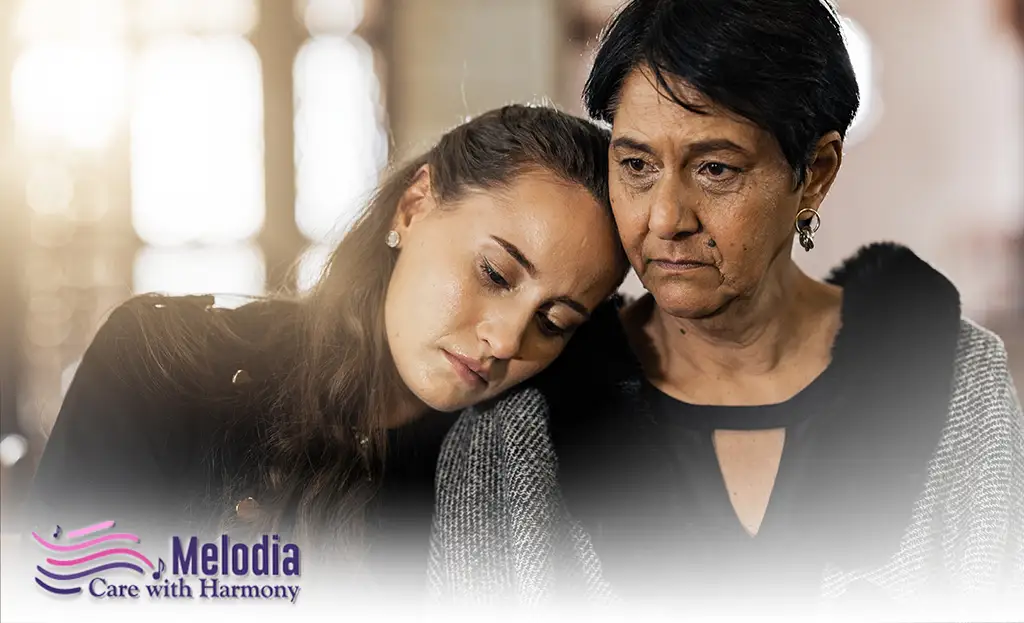
The trauma of grief can be felt throughout everyday routines. Simple tasks such as getting out of bed, making meals, or working can be exhausting. The mind is always occupied with thoughts and worries, which makes it difficult to remain in the present. Many people feel isolated from their family members because they don’t wish to be burdensome to anyone. Some people worry about changing or losing their identity.
The relationships may also be different. Friends might be unsure of what they should say, and this lack of communication can lead to disconnection. Communication becomes crucial at this point. Sharing even the smallest of thoughts can help to rekindle connections and lessen feelings of loneliness. Healing does not require large changes. Small, consistent efforts aid in settling the mind and make life easier to manage.
Healthy Ways to Cope With Traumatic Grief

The process of dealing with grief requires patience and time. A helpful approach is to talk to a trusted person such as a family member, counselor, or support group. Talking about the loss can help the mind detach the trauma from the past of the individual. Once these two parts begin to become distinct, the process of healing becomes simpler and less stressful. This also makes the person feel supported and understood.
Simple habits in your daily routine can provide peace. Regular exercise, gentle exercise, short walks, and regular sleep schedules can help calm the body. Journaling thoughts is another helpful tool, as it provides space to express emotions safely.
Setting small goals, such as accomplishing one task every day, provides an assurance of control in an uncertain period. Most important is to move at a speed that is comfortable and not overly fast.
When Professional Help Can Make a Difference
Sometimes, traumatic grief can become too much to bear on one’s own. If someone is feeling stuck or overwhelmed, or feels unsafe, Professional help may provide structured support. Trauma-focused therapists understand how loss affects both the mind and body. They provide safe ways to help you process difficult memories without the need to revisit the trauma. This helps people regain the strength they have lost and restore their emotional stability.
Professional assistance does not necessarily suggest that it is a sign that something is wrong. The loss simply indicates that you had more weight than your mind can handle by itself. Therapy can help to reduce stressors, increase sleep, reduce anxiety, and make your daily routine like something you can handle again. The goal of healing is not to forget the person. It’s about learning to keep them in mind without being overtaken by fear or suffering.
The Path to Healing and Growth
The process of healing from traumatized loss is not always a straight line. Certain days are better than others, while others feel more difficult. As time passes, with support and patience, the tough waves will soften. Many people find a new self-confidence in the course of their process. The loss doesn’t go away; however, the burden gets easier to bear.
Growth occurs slowly. It is evident in tiny stages, like speaking about your loved ones and returning to old routines, or experiencing moments of calm. These indicators indicate that the heart and mind are in a state of adjustment. It is not about hurrying or imposing changes. It’s about allowing an opportunity for the grief to heal and allowing life to proceed at an even, steady pace.
Understanding the Emotional and Physical Connection
Traumatic bereavement affects more than emotions. The body often reacts as if danger is still present. Increased heart rate, muscle tension, sudden tearfulness, or emotional numbness may occur without warning. This happens because the nervous system remains alert after a shocking event. Recognizing this connection between body and mind can help individuals respond with patience rather than self-judgment. Over time, safe and supportive environments can help the nervous system settle. Gentle routines, structured support, and consistent reassurance may help restore a sense of predictability.
The Role of Supportive Care
When someone is facing serious illness or end-of-life circumstances alongside traumatic grief, emotional support becomes especially important. Grief may begin before a loss occurs, particularly when a condition progresses unexpectedly. In these situations, compassionate care teams can provide emotional guidance alongside physical support.
Hospice care focuses on comfort-centered services that consider emotional well-being as part of whole-person care. Grief responses are treated with sensitivity, and families are encouraged to participate in conversations about values, preferences, and emotional needs. Support may include counseling resources, structured discussions, and guidance during periods of adjustment.
What is traumatic loss?
A traumatic bereavement is grief combined with shock or fear in the wake of a sudden loss. The emotional pain can be more intense because the brain is trying to process grief and trauma simultaneously.
What makes traumatic grief distinct in comparison to normal grieving?
Normal mourning is focused on the sadness and loss of the person. Traumatic grief involves anxiety, confusion, and other symptoms that are triggered by the sudden loss.
How long do the effects of traumatic grief last?
There isn’t a set date. Some people feel better after a few months. Others may take longer. The healing process is dependent on the support system and coping styles of the individual, and the type of loss.
Can therapy help?
It may be beneficial for many individuals. Therapy for grief, counseling focusing on trauma, and support groups offer the security to heal.5. Is traumatic grief the same as post-traumatic stress disorder (PTSD)? Traumatic grief and PTSD can share certain features, such as intrusive thoughts or heightened alertness. However, they are distinct experiences. A healthcare professional can help clarify symptoms if concerns arise.
Conclusion:
Traumatic bereavement is a complex experience that blends grief with shock and fear. It can affect sleep, concentration, emotional balance, and daily routines. Unlike typical mourning, traumatic grief may involve intrusive memories or heightened anxiety, which can slow the natural adjustment process.
With time, patience, and appropriate support, many individuals gradually learn to carry their grief differently. Healing does not erase loss. Instead, it allows space for memories to exist without overwhelming distress. Seeking guidance when needed can create a safer path forward and reduce feelings of isolation.
Disclaimer: (HIPAA- and FDA-Safe): This article is for informational purposes only and is not intended as medical or legal advice. It does not replace guidance from licensed healthcare professionals or attorneys. Care needs and legal requirements vary by individual and by state.