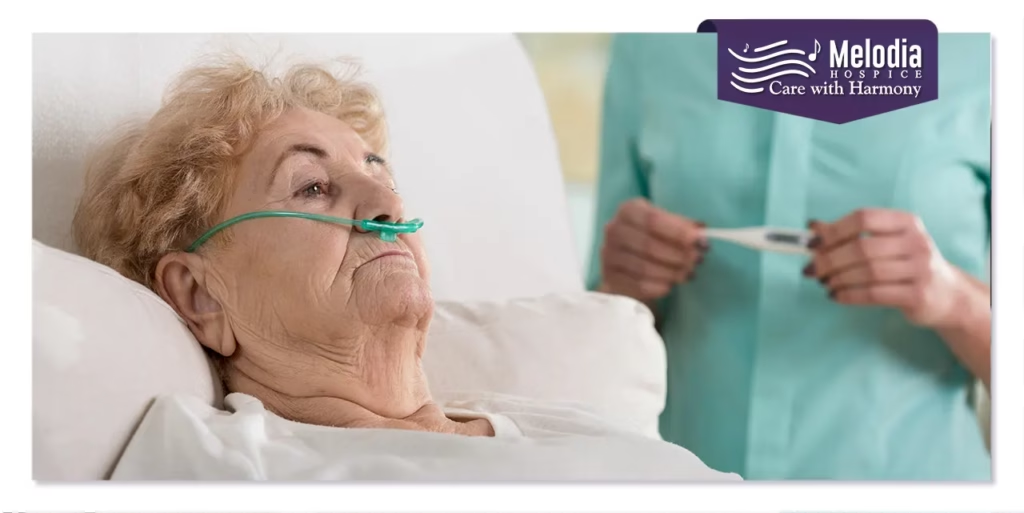
Dyspnea, or shortness of breath, is one of the worst symptoms that hospice patients have to deal with, especially those with advanced heart failure, lung disease, or terminal cancer. It can make patients very uncomfortable, anxious, and tired, which makes it hard for them to rest or even talk comfortably.
We at Melodia Care Hospice know that helping a patient deal with shortness of breath is important for their quality of life. The Dyspnoea Scale is a great tool for doctors and nurses to diagnose and treat this illness.
In this whole blog, we’ll talk about what dyspnea is, how the dyspnea scale works in hospice care, and how Melodia Care Hospice uses it to make sure that every patient gets kind and effective symptom management.
What Is Dyspnea?

The medical term for feeling short of breath or having trouble breathing is dyspnea. It can go from modest shortness of breath during exertion to significant distress even while you’re not doing anything.
In hospice care, dyspnea frequently manifests as a component of the natural development of diseases such as:
- Chronic obstructive pulmonary disease (COPD)
- Congestive heart failure (CHF)
- Lung cancer
- Pneumonia or infections
- Neuromuscular diseases
- Advanced kidney or liver disease
As people get closer to death, their bodies need less oxygen, which might make it harder to breathe. This symptom can be scary for families, but hospice care professionals utilize evidence-based tools like the dyspnea scale to keep an eye on and treat symptoms.
Why Measuring Dyspnea Is Important in Hospice Care
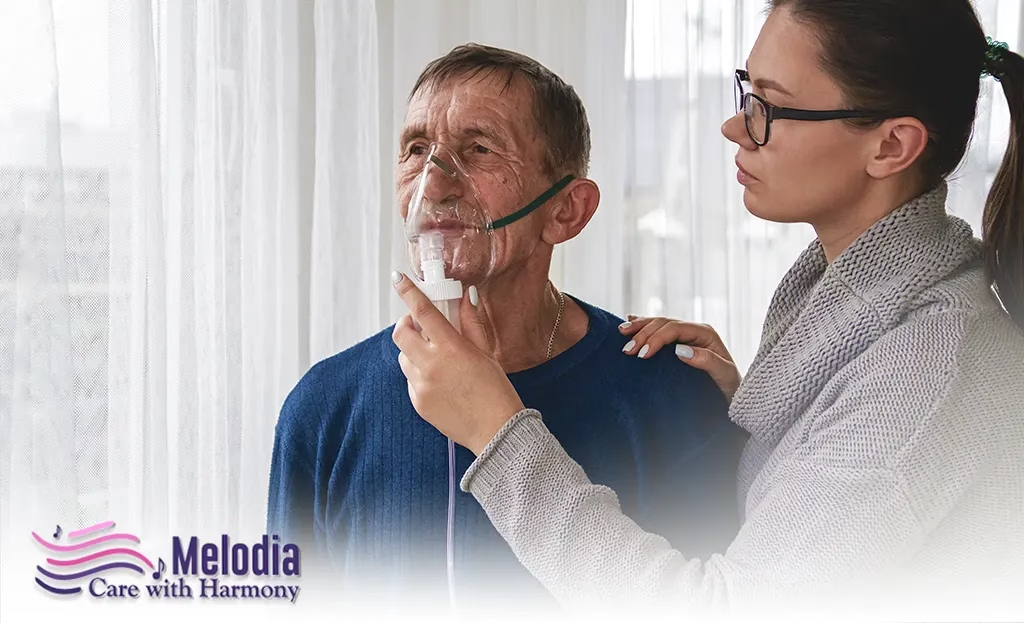
Dyspnea is subjective; it is determined by the patient’s perception rather than objective medical measurements. Two people who have the same amount of oxygen in their blood may describe how hard it is to breathe in completely different ways.
That’s why it’s so crucial to use a standard measurement method like the dyspnea scale. It helps caregivers and hospice nurses:
- Understand how bad the patient’s pain is.
- Keep an eye on changes over time and see how well therapies are working.
- Make it easier for patients, relatives, and the care team to talk to each other.
- Effectively guide both pharmaceutical and non-medication treatments.
Our mission at Melodia Care Hospice is to help patients breathe better, both physically and emotionally, by relieving their pain and worry.
Understanding the Dyspnea Scale
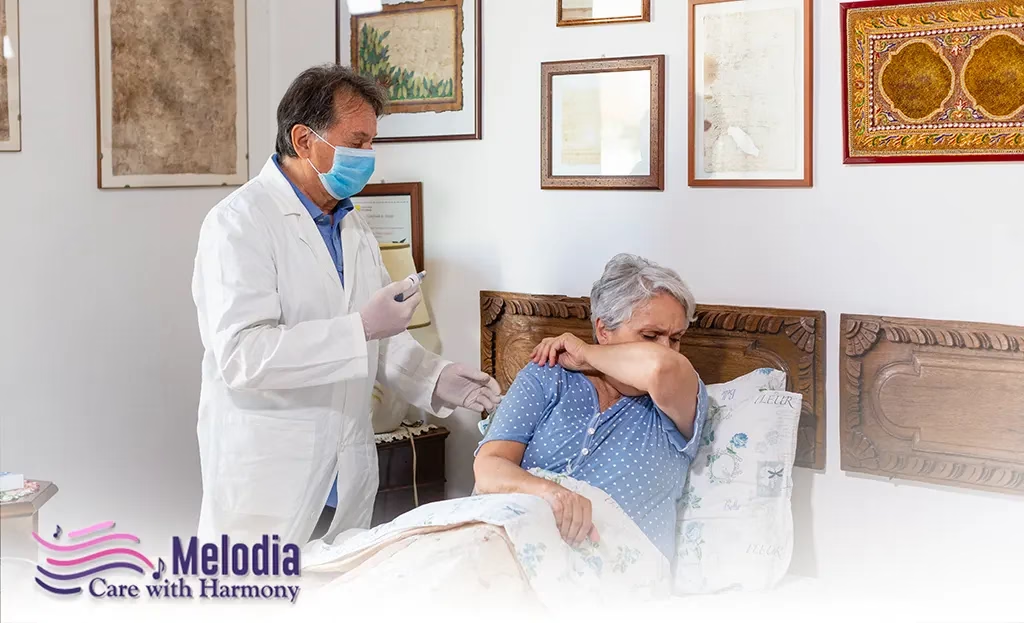
The Dyspnoea Scale, which is also called the Modified Borg Scale or Numerical Rating Scale for Dyspnoea, is a simple, standardised technique to figure out how bad someone’s breathlessness is.
1. The Numerical Dyspnoea Scale (0–10)
This is one of the most common scales used in hospice and palliative care. It asks patients to rate how short of breath they are on a scale from 0 to 10, with:
- 0 means no shortness of breath
- 1–3 = Mild shortness of breath (noticeable when you move, but not too bad)
- 4–6 = Moderate shortness of breath (even with little effort)
- 7–9 = Very short of breath (even when resting, it makes you feel anxious or panicked)
- 10 = Extreme shortness of breath (the worst kind of pain that can’t be ignored)
Carers use non-verbal signs such as rapid breathing, restlessness, or changes in facial expression to figure out how bad a patient’s dyspnoea is when they can’t talk or communicate verbally.
2. Modified Borg Dyspnea Scale
Another version commonly used in clinical settings is the Modified Borg Scale, which ranges from 0 to 10 but includes descriptive labels to help patients better understand the rating:
| Score | Description | Score | Description |
| 0 | No breathlessness at all | 5 | Severe |
| 0.5 | Very, very slight (just noticeable) | 6 | — |
| 1 | Very slight | 7 | Very severe |
| 2 | Slight | 8 | — |
| 3 | Moderate | 9 | Very, very severe (almost maximal) |
| 4 | Somewhat severe | 10 | Maximum breathlessness |
This scale is especially helpful for monitoring changes after treatments such as oxygen therapy, morphine administration, or repositioning.
How the Dyspnea Scale Is Used in Hospice Care
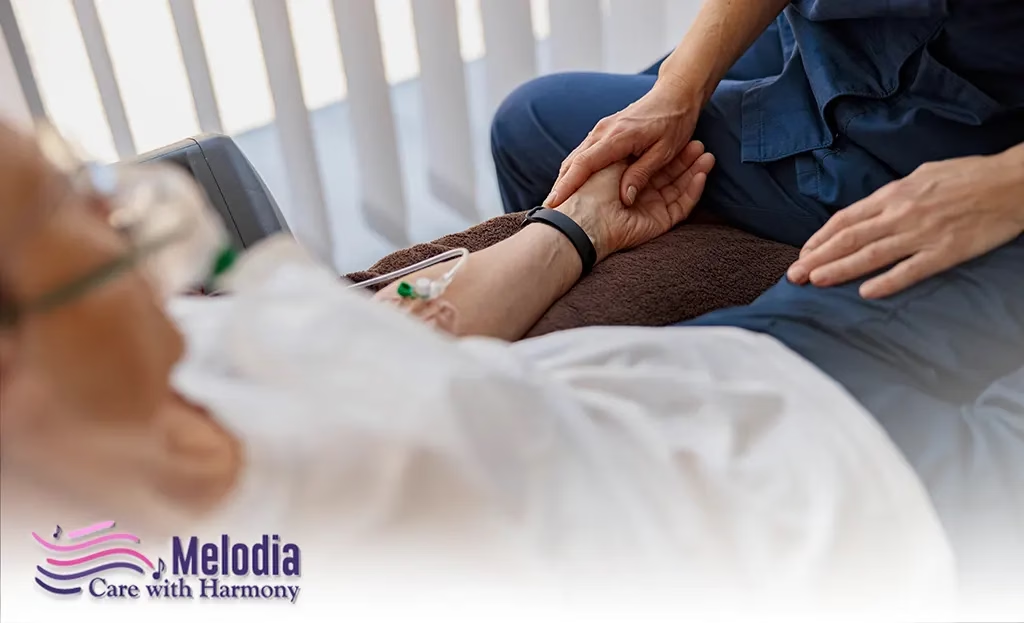
The dyspnoea scale is more than a simple number in hospice care; it’s part of a comprehensive comfort plan that aims to improve the patient’s overall health. Hospice workers use it like this:
1. First Evaluation
Hospice nurses use the dyspnoea scale to find out how short of breath a patient is when they first arrive. This helps the team design a care plan that is right for you.
2. Ongoing Monitoring
Hospice carers check on dyspnoea levels often, especially after giving medicine or changing the oxygen dose. These observations help make judgments about continued treatment.
3. Communication Tool
The measure helps patients describe their symptoms more correctly. Instead of expressing, “I can’t breathe,” they can add, “My breathlessness feels like a 7 today,” which helps carers know how to help.
4. Checking How Well the Treatment Works
The scale helps figure out if medicines or other types of therapy are working. If a patient’s score goes from 8 to 4 after morphine or moving them, it means they are getting better.
5. Helping the Family Understand
Families often feel worried when they see their loved one having trouble breathing. Using a scale makes things clearer and more reassuring by showing that symptoms are being watched and handled attentively.
Managing Dyspnea in Hospice Care
It might be scary to have dyspnoea, but hospice care providers have a lot of good ways to deal with it. We help our patients breathe better at Melodia Care Hospice by giving them medical care, emotional support, and physical comfort.
1. Managing Medications
Doctors at hospice carefully prescribe medicines that aid with anxiety and shortness of breath, like:
- Opioids (like morphine) – help with the feeling of air hunger.
- Anxiolytics (such as lorazepam) – help with anxiety that comes from not being able to breathe.
- Oxygen treatment – helps those who don’t have enough oxygen feel better.
- Bronchodilators and steroids – help open up the airways in people with lung diseases like COPD.
Regular assessments of the dyspnoea scale help doctors change these medications to make sure the patient is as comfortable as possible.
2. Interventions Without Medications
Several comfort-focused measures, in addition to medicine, can help ease dyspnoea naturally:
- Positioning: Sitting up straight or supporting the patient up with pillows can assist their lungs in holding more air.
- Cool air: A fan or an open window can help you breathe easier.
- Relaxation techniques: Guided breathing, meditation, or quiet music can help you relax if you’re feeling anxious.
- Energy conservation: Helping patients plan their activities so they don’t get too tired.
- Hydration and oral care: Taking care of your mouth and drinking enough water can help with respiratory problems.
Caregivers at Melodia Care Hospice are trained to use these methods in a kind and effective way.
3. Emotional and Psychological Support
Breathlessness often makes people scared and panicked, both for the person who is sick and for their family. Counsellors and chaplains at the hospice help patients stay calm by doing breathing exercises, giving them comfort, and talking to them.
Family members also learn how to help their loved one feel better during an episode, which makes the whole thing less stressful for everyone.
The Role of Melodia Care Hospice in Dyspnea Management
We at Melodia Care Hospice know that dyspnoea is one of the most painful symptoms for those who are dying. That’s why our philosophy of care focuses on holistic relief, which means treating not only the physical experience of breathlessness but also the emotional and spiritual pain it can bring.
This is how we stand out:
- Personalised Care Plans: The scale is used to check and record how bad each patient’s dyspnoea is. This helps us make sure that the medicines and treatments are just right for them.
- 24/7 Availability: Hospice nurses are available 24 hours a day, 7 days a week to aid with sudden breathing problems.
- Family Education: We teach families how to spot indicators of shortness of breath and apply simple ways to feel better at home.
- Comprehensive Support: Our team of doctors, nurses, social workers, chaplains, and therapists works together to make sure that all aspects of treatment are taken care of.
We want to make every breath easier and every moment happier.
Signs That Dyspnea Is Worsening
Recognizing when dyspnea becomes more severe can help caregivers act quickly. Common signs include:
- Rapid or shallow breathing
- Increased anxiety or restlessness
- Use of accessory muscles (shoulders or neck) while breathing
- Bluish discoloration of lips or fingers
- Inability to speak more than a few words at a time
- Fear or panic attacks associated with shortness of breath
If these symptoms appear, hospice nurses can reassess using the dyspnea scale and adjust care immediately to ensure comfort.
The Importance of Compassionate Communication
Patients may find it hard to talk about not being able to breathe. Some people may be afraid to admit it because they think it means they’re “getting worse.” Hospice teams talk to patients with compassion and understanding, letting them know that there is always a way to feel better.
The dyspnoea scale makes patients feel heard and acknowledged by turning their personal experience into facts that carers can use to aid them.
FAQs
Do a lot of hospice patients have dyspnoea?
Yes. One of the most common and upsetting symptoms in hospice care is dyspnoea, which is especially bad for people with heart or lung illnesses.
Does the dyspnoea scale truly help?
Yes, for sure. The dyspnoea scale lets hospice workers objectively measure breathlessness, keep track of improvement, and change therapies to make sure patients are as comfortable as possible.
How often do people utilise the dyspnoea scale?
Hospice nurses usually use the scale every time they visit, after giving the patient medicine, or when the patient says they are having trouble breathing.
What do you do if the medicines don’t help with dyspnoea?
If the first treatments don’t work, hospice doctors change the doses or mix the medications. The idea is always to make things as comfortable as possible.
Is it possible for family members to utilise the dyspnoea scale at home?
Yes. Hospice professionals typically show families how to use a basic 0–10 scale so they can appropriately tell the doctor about their symptoms between visits.
Conclusion
Breathlessness can be one of the hardest things for hospice patients and their families to deal with. But with the correct tools, like the dyspnoea scale, and caring for people, it becomes a lot easier and more humane to deal with.
We utilise the dyspnoea scale at Melodia Care Hospice not only as a medical tool but also to connect with patients, comprehend their pain, and give them quick respite. We want to make sure that every patient can breathe more easily, sleep soundly, and spend their last days in comfort, with dignity, and love.
Call Melodia Care Hospice immediately if your loved one is critically ill and having problems breathing. Our compassionate staff provides 24/7 comfort, sympathy, and assistance to your family.