

It can be very difficult for patients and their loved ones to deal with a serious illness. Many families start looking into care options that put comfort, quality of life, and emotional support first as symptoms worsen or treatment objectives change. Palliative care and hospice care are two phrases that frequently come up in these conversations. Are they the same, though?
No, palliative care and hospice care are not the same thing, despite their significant similarities. Melodia Care Hospice explains the distinctions, parallels, eligibility, services offered, and how to choose the best kind of care for your loved one in this blog.
Palliative Care: What Is It?

For patients with serious, chronic, or life-threatening illnesses—at any stage of the disease—palliative care is a specialized type of medical treatment aimed at reducing symptoms, controlling pain, and enhancing quality of life.
Important Features of Palliative Care:
- can be given whenever a person becomes ill.
- provided in conjunction with curative therapies (e.g., dialysis, chemotherapy).
- emphasizes mental, emotional, and spiritual health.
- provided by a group of experts, including chaplains, social workers, nurses, and doctors.
- accessible at home, in clinics, nursing homes, and hospitals.
End-of-life care is only one aspect of palliative care. Early in their diagnosis, patients with diseases like cancer, heart failure, COPD, dementia, or kidney disease may be given palliative support while they continue their treatment to either cure or manage their condition.
Hospice Care: What Is It?

Hospice care is a type of palliative care that is intended especially for patients who are nearing the end of their lives and who, according to a doctor’s prognosis, have six months or less to live.
Important Features of Hospice Care:
- Focuses only on comfort, dignity, and quality of life
- Halts the use of healing therapies
- Aids in controlling symptoms such as anxiety, nausea, pain, and dyspnea
- Provides patients and their families with emotional and spiritual support
- Offered in hospitals, nursing homes, hospice centers, or homes
- Medicare, Medicaid, and the majority of private insurers cover
Melodia Care Hospice gives patients and their families the tools they need to live each day to the fullest, concentrating on the things that really count: peace, time, and connection.
Major Differences Between Palliative and Hospice Care
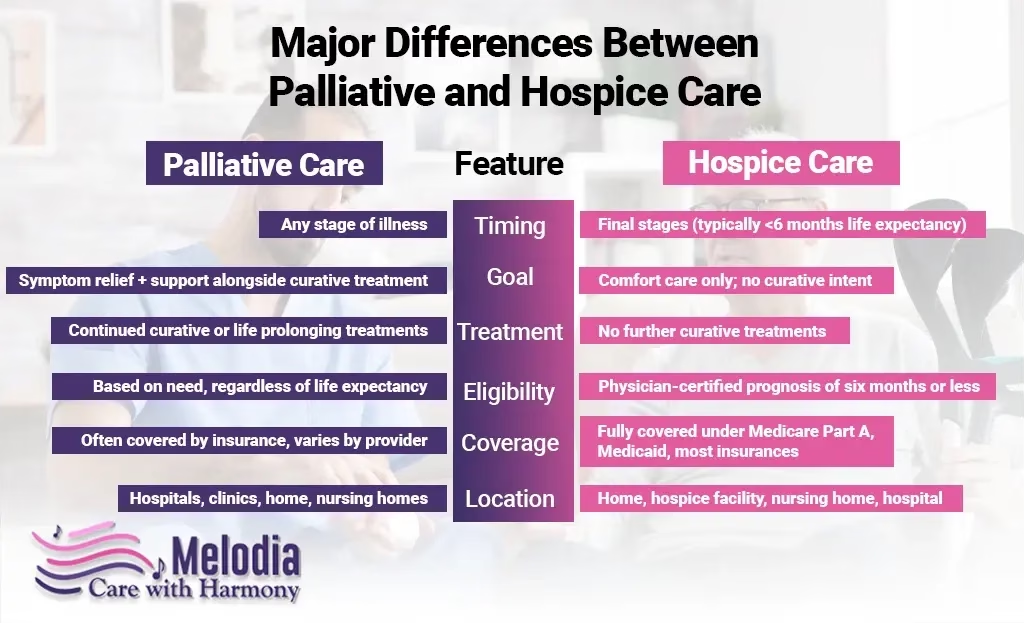
To understand whether palliative care or hospice care is appropriate for your situation, consider these key differences:
| Feature | Palliative Care | Hospice Care |
| Timing | Any stage of illness | Final stages (typically <6 months life expectancy) |
| Goal | Symptom relief + support alongside curative treatment | Comfort care only; no curative intent |
| Treatment | Continued curative or life-prolonging treatments | No further curative treatments |
| Eligibility | Based on need, regardless of life expectancy | Physician-certified prognosis of six months or less |
| Coverage | Often covered by insurance, varies by provider | Fully covered under Medicare Part A, Medicaid, most insurances |
| Location | Hospitals, clinics, home, nursing homes | Home, hospice facility, nursing home, hospital |
Similarities Between Palliative Care and Hospice

While palliative care and hospice care are different in timing and treatment goals, they share a holistic, patient-centered approach. Both aim to:
- Manage pain and symptoms
- Improve quality of life
- Provide emotional, psychological, and spiritual support
- Involve family members in the care plan
- Address advance care planning and decision-making
- Deliver care through a multidisciplinary team
At Melodia Care Hospice, we believe that whether a patient is early in their illness or approaching life’s end, compassionate care should never be delayed.
When to Choose Palliative Care

Palliative care is ideal for patients experiencing:
- Chronic pain, fatigue, shortness of breath, or emotional distress
- Complicated symptoms from ongoing cancer treatments or dialysis
- Progressive conditions like Parkinson’s disease, Alzheimer’s, or ALS
- Repeated hospital visits due to symptom flare-ups
- A desire to focus on comfort and quality of life, even while receiving aggressive treatments
Palliative care can begin immediately after diagnosis, especially when symptoms affect daily functioning or emotional well-being.
When to Choose Hospice Care
Hospice care is best when:
- A physician determines that curative treatments are no longer effective
- The patient has a life expectancy of six months or less
- The focus shifts from treatment to comfort
- The goal becomes spending quality time with loved ones
- The patient wishes to stay at home, surrounded by family and familiar comforts
Choosing hospice is not about giving up—it’s about prioritizing meaningful moments and comfort during the final stages of life.
How Melodia Care Hospice Supports Patients and Families

At Melodia Care Hospice, we provide both palliative and hospice care services, ensuring every patient receives the right level of support at the right time.
Our Services Include:
- Pain and symptom management
- Skilled nursing care and home visits
- Medical equipment and medications
- 24/7 on-call support
- Emotional and spiritual counseling
- Family caregiver training and support
- Bereavement services for loved ones
Whether you’re seeking relief during treatment or end-of-life care, our team offers compassionate guidance every step of the way.
(FAQs)
Is palliative care only for people who are dying?
No. Palliative care is for people at any stage of a serious illness and can be provided alongside treatments aimed at curing or managing the disease.
Does choosing hospice mean giving up hope?
Not at all. Hospice shifts hope from curing the illness to living comfortably and meaningfully in the time that remains.
Who pays for palliative care vs. hospice care?
Hospice care is typically covered by Medicare, Medicaid, and most private insurance plans. Palliative care coverage depends on the setting and provider but is often billed like other specialist services through insurance or Medicare Part B.
Can I switch from palliative care to hospice?
Yes. If a patient’s condition worsens and they become eligible for hospice, their care plan can transition accordingly. Melodia Care Hospice will help guide that process.
Where is hospice and palliative care provided?
Both services can be delivered in the patient’s home, hospital, assisted living facility, or a hospice residence. The location depends on the patient’s condition and preferences.
How to Know Which Care Is Right for Your Loved One Choosing between palliative care and hospice depends on your loved one’s:
- Current medical condition
- Treatment goals
- Symptom burden
- Quality of life
- Prognosis
Melodia Care Hospice: Your Partner in Compassionate Care
At Melodia Care Hospice, we believe that every person—regardless of their diagnosis or stage of illness—deserves comfort, respect, and dignity. Whether you need early palliative support or full hospice care, our compassionate team walks with you on every step of your journey.
We’re here to listen. We’re here to guide. We’re here to care.
Final Thoughts
So, is palliative care the same as hospice? While they both focus on comfort and quality of life, they serve patients at different stages of illness and differ in their approach to treatment and coverage.
- Palliative care supports people of any age, at any stage, and can be combined with curative treatment.
- Hospice care is a form of palliative care for those nearing the end of life, when curative treatments are no longer pursued.
Understanding these differences can help you make informed, compassionate choices for your loved ones. And with the support of Melodia Care Hospice, you never have to face those choices alone.
Need Help Deciding Between Palliative and Hospice Care?
Contact Melodia Care Hospice today for a free consultation. Our expert team will help you explore the right path forward—tailored to your loved one’s needs and your family’s goals.