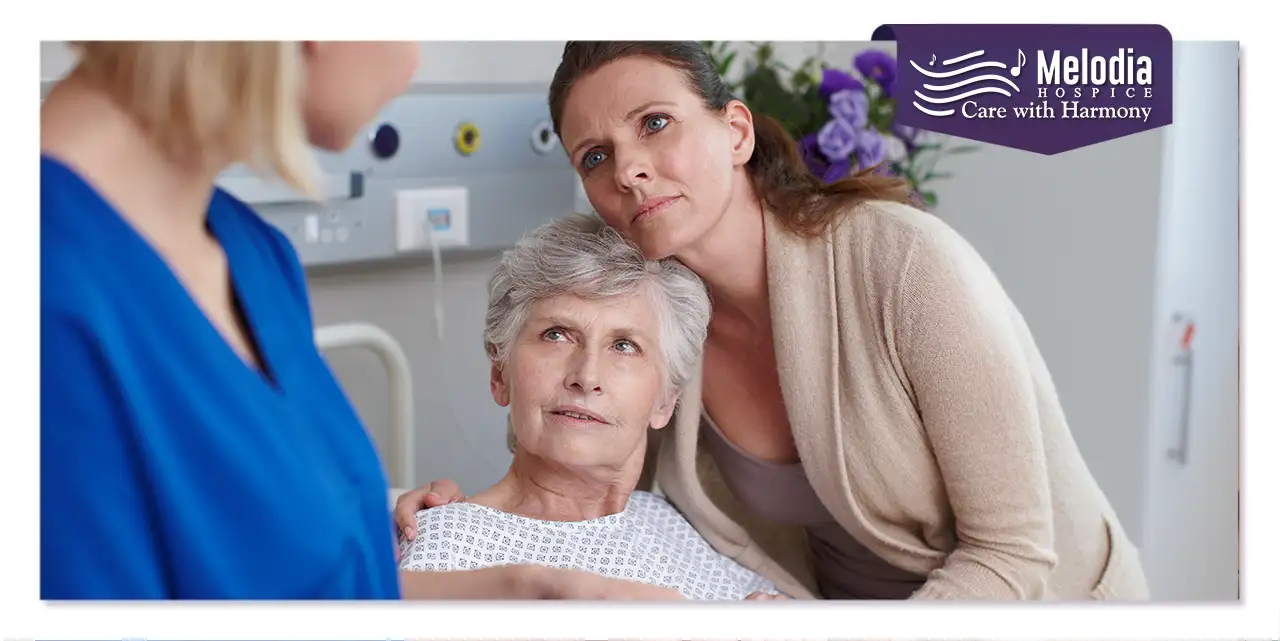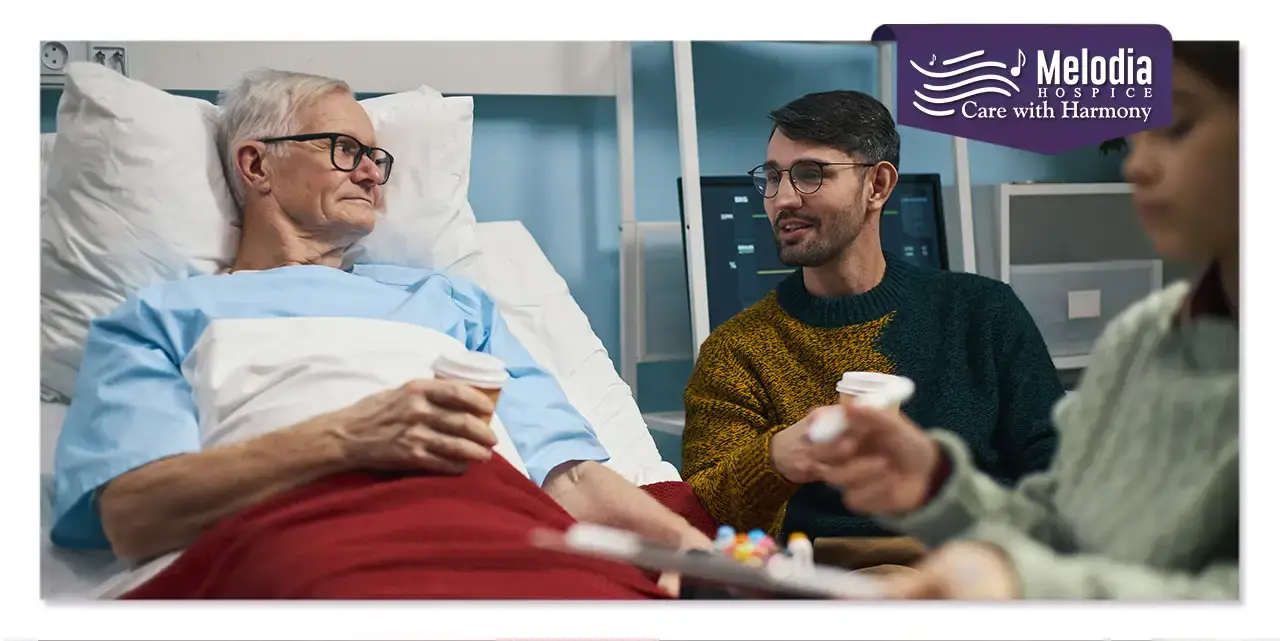

When someone is living with a serious illness, both the patient and their family face many emotional, physical, and practical challenges. During these times, compassionate care can make all the difference. Hospice and palliative care nursing focuses on providing comfort, dignity, and support, not only to the patient but also to their loved ones.
In this article, we will explore what hospice and palliative care nursing means, the roles and responsibilities of these nurses, and the many rewards that come from this deeply meaningful work.
Understanding Hospice and Palliative Care

Although hospice and palliative care are closely related, they serve slightly different purposes.
- Palliative Care is specialized medical care for people living with serious or chronic illnesses such as cancer, heart disease, or advanced lung disease. It can be provided at any stage of illness, alongside curative treatment, and focuses on relieving symptoms, reducing stress, and improving quality of life.
- Hospice Care is provided when a patient is approaching the final months of life, usually when treatment is no longer aimed at curing the illness. Hospice care focuses entirely on comfort, dignity, and emotional support for both the patient and their family.
Both approaches are centered on the patient’s needs rather than the disease itself. They look at the whole person, body, mind, and spirit, and ensure care is respectful, personal, and compassionate.
Role of a Hospice and Palliative Care Nurse

Hospice and palliative care nurses are trained healthcare professionals who combine medical knowledge with emotional understanding. Their primary goal is to ensure that patients live as comfortably as possible, no matter their stage of illness.
Here are some of their main roles:
1. Symptom Management
Nurses closely monitor and manage symptoms such as pain, shortness of breath, nausea, fatigue, anxiety, or confusion. They work with doctors to adjust medications and treatments to keep patients comfortable.
2. Emotional and Psychological Support
Living with a serious illness often brings fear, sadness, and uncertainty. Nurses provide a listening ear, reassurance, and emotional comfort to both patients and family members.
3. Education and Guidance for Families
Families often feel overwhelmed by medical terms, treatment plans, and decisions. Hospice and palliative care nurses explain things clearly, guide families through care processes, and help them feel confident in caring for their loved ones.
4. Coordinating Care
They serve as a link between doctors, social workers, chaplains, and other healthcare professionals—making sure everyone is working together toward the same goals.
5. Advocacy for the Patient’s Wishes
Hospice and palliative care nurses are strong advocates for the patient’s preferences regarding treatment, comfort, and dignity. They ensure care aligns with the patient’s values and goals.
Key Responsibilities in Day-to-Day Care
While the roles describe the overall purpose of their work, the daily responsibilities of a hospice or palliative care nurse are often more detailed:
- Conducting regular assessments to monitor changes in the patient’s condition
- Administering and adjusting pain relief or other medications
- Teaching family caregivers how to safely provide care at home
- Documenting the patient’s progress for the medical team
- Providing comfort measures such as repositioning the patient to relieve pressure or using relaxation techniques
- Being available for urgent needs, sometimes through on-call support
In hospice care, especially, nurses also play a large role in preparing families for the end of life, offering both practical guidance and emotional support.
Rewards of Hospice and Palliative Care Nursing

While the work can be emotionally challenging, many hospice and palliative care nurses describe it as one of the most rewarding and meaningful areas of nursing.
1. Making a Real Difference
Unlike in many fast-paced hospital settings, hospice and palliative care nurses can spend more time with each patient, focusing on their comfort and dignity.
2. Building Deep Connections
They often develop strong, trusting relationships with patients and families—sometimes becoming a source of strength during the hardest moments of life.
3. Providing Comfort and Peace
Knowing that their care helped someone spend their final days without pain, surrounded by loved ones, can bring a deep sense of fulfillment.
4. Personal Growth
This type of nursing teaches patience, empathy, and the value of human connection. Many nurses say it changes how they view life and relationships.
5. Being Part of a Supportive Team
Hospice and palliative care teams often include doctors, social workers, chaplains, and volunteers. Nurses become part of a caring community with a shared mission.
Challenges in the Profession

It is important to recognize that hospice and palliative care nursing can be emotionally demanding. Nurses may experience grief, stress, or emotional fatigue. However, with proper self-care, support from colleagues, and a strong sense of purpose, many find they can sustain this work for years while maintaining their well-being.
Why This Work Matters

Hospice and palliative care nursing is not about giving up; it is about living as fully as possible, for as long as possible. These nurses help people feel safe, understood, and cared for at a time when it matters most.
At Melodia Care, we understand the incredible value of these nurses and the difference they make in the lives of patients and families every day. Our team works hand-in-hand with families to ensure comfort, dignity, and respect are at the heart of every moment.
Conclusion
Hospice and palliative care nursing is more than just a job. It requires a special blend of skill, compassion, and emotional strength. These nurses not only manage medical needs but also bring peace, comfort, and reassurance during life’s most difficult times.
If you or a loved one is facing a serious illness, remember that compassionate, professional support is available. Melodia Care is here to walk alongside you, every step of the way.
FAQs
What is the difference between hospice care and palliative care?
Palliative care can be provided at any stage of a serious illness, even while receiving curative treatment. Hospice care is provided during the final months of life when the focus is entirely on comfort and quality of life.
Do hospice and palliative care nurses only work with elderly patients?
No. While many patients are older adults, hospice and palliative care services can be provided to people of any age who are facing serious illnesses.
Can palliative care be provided at home?
Yes. Palliative care can be provided in hospitals, clinics, nursing facilities, or in the patient’s home—wherever they feel most comfortable.
How do hospice and palliative care nurses support families?
They educate family caregivers, help them understand the illness and treatment options, and provide emotional support throughout the care journey.
Is hospice care giving up on treatment?
No. Hospice care is not about giving up—it is about focusing on comfort, dignity, and the best possible quality of life in the time that remains.