

As a loved one approaches the end of life, families often notice changes in breathing that can feel alarming or difficult to witness. These changes are a natural part of the body’s decline, yet they can raise many questions: What do these breathing patterns mean? Are they painful? How can I help my loved one feel more comfortable?
At Melodia hospice care, our goal is to explain these changes with compassion, prepare families for what to expect, and provide comfort to both patients and caregivers. This guide will help you understand common end-of-life breathing patterns, why they occur, and how hospice care can ease the journey.
Why Breathing Changes at the End of Life

At the end of life, the body begins to slow down. Muscles, including those used for breathing, weaken. The brain sends fewer signals to regulate breathing, and conditions like fluid buildup or reduced oxygen levels may also affect the breathing process.
These changes are not usually painful, but they are signs that the body is preparing for its natural transition. For families, knowing why these changes happen can make them less frightening. When explained by hospice professionals, breathing changes become a signpost of the body’s journey rather than something to fear.
Common End-of-Life Breathing Patterns
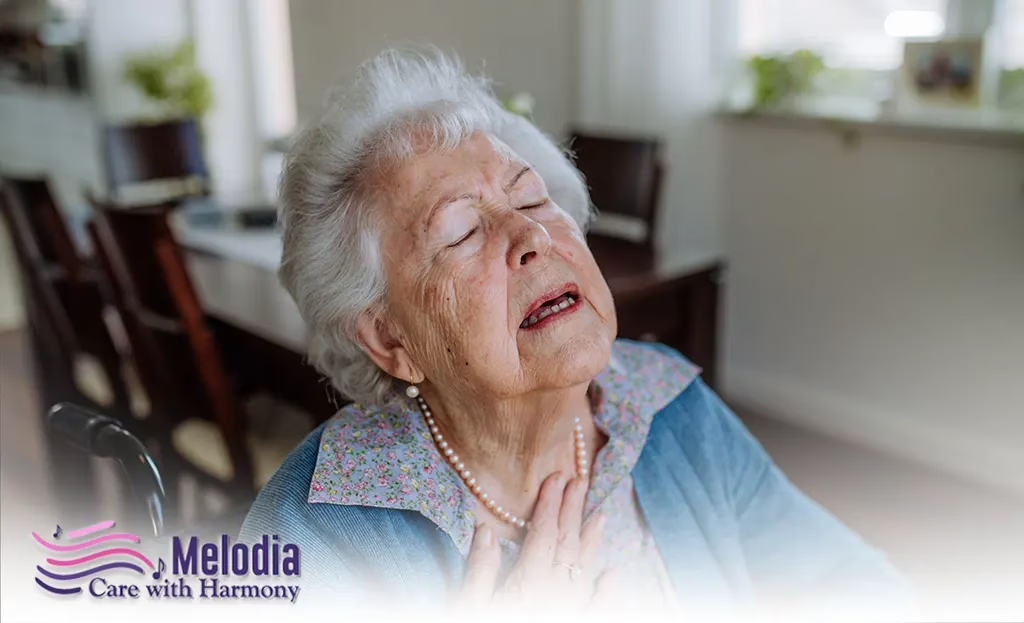
Families may observe one or more of the following breathing patterns in a hospice setting:
1. Cheyne-Stokes Breathing
- A rhythmic pattern where breathing becomes deeper and faster, then gradually slows and may stop for several seconds before starting again.
- It is one of the most common breathing changes in the final days or hours of life.
- Though unsettling, this cycle is painless and reflects the body’s natural decline.
2. Irregular Breathing
- Breaths may come in uneven intervals—sometimes shallow, sometimes deep—with unpredictable pauses.
- This irregularity reflects the slowing of brain activity that controls breathing.
3. Shallow Breathing
- Breaths may become short and light, often using only the chest muscles instead of the diaphragm.
- It is common for the body to conserve energy. Patients are often relaxed and unaware of the change.
4. Periods of No Breathing (Apnea)
- Pauses in breathing may last for several seconds or longer.
- While it can be distressing for loved ones to see, the patient is usually unaware of these pauses.
5. “Death Rattle” (Noisy Breathing)
- A gurgling or rattling sound may occur when saliva or fluids collect in the throat because the patient can no longer swallow effectively.
- While this sound can be unsettling, it does not mean the patient is in pain. Medications and gentle positioning can help manage it.
Are These Breathing Patterns Painful?

One of the most common concerns families have is whether these breathing changes cause suffering. Hospice professionals reassure families that:
- These changes are part of the body’s natural process.
- Patients are often unaware of the irregularities or sounds.
- Medications, positioning, and gentle care can relieve discomfort if shortness of breath or anxiety occurs.
Breathing changes are generally more challenging for families to observe than for patients to endure. Consequently, hospice care prioritizes education and emotional support, guaranteeing that loved ones are well-informed and suitably reassured.
Emotional Impact on Families

Witnessing these changes can stir fear, sadness, or even panic. Families sometimes describe feeling helpless when they notice irregular breathing or hear the “death rattle.” Hospice teams recognize this emotional toll and provide reassurance. By explaining what is happening and being present, they help families shift their focus from anxiety to meaningful connection.
Understanding that breathing changes are natural—and not a sign of suffering—often permits families to spend more peaceful, intimate moments with their loved one.
How Hospice Care Provides Comfort

Hospice teams are trained to recognize and manage end-of-life breathing changes. Some of the ways they provide comfort include:
- Medications: Prescribed to ease shortness of breath, reduce anxiety, or manage secretions causing noisy breathing.
- Positioning: Elevating the head of the bed or turning the patient gently to one side can improve airflow.
- Environment: Using fans, humidifiers, or maintaining a calm atmosphere helps ease breathing.
- Support for Families: Nurses explain what is happening, reassure families, and remain available 24/7 to answer concerns.
By combining medical care with emotional support, hospice ensures dignity and comfort for the patient while also guiding loved ones through a difficult time.
How Families Can Help

While hospice staff provide expert care, families often want to know how they can be involved. Here are a few supportive steps:
- Stay calm and speak gently; your presence is comforting even when your loved one cannot respond.
- Offer reassurance with soft touches, music, or prayers if desired.
- Avoid suctioning or aggressive interventions unless advised by hospice staff, as these may cause discomfort.
- Ask the hospice team any questions—understanding what is happening often brings peace of mind.
- Focus on comfort rather than trying to “fix” the breathing. Simply being present makes a profound difference.
When to Reach Out to Hospice Staff

Families should never feel alone in this journey. Contact your hospice nurse if you notice:
- Sudden or severe distress in breathing
- Signs of anxiety or restlessness
- A need for additional medication or comfort measures
Hospice staff are available day and night to provide guidance and support. Reaching out is never an inconvenience—it is part of what hospice care promises to families.
Reassurance for Families

It is important to remember that end-of-life breathing changes are not a medical emergency but a natural part of life’s closing chapter. For families, the sounds and patterns may be unsettling, but for patients, these changes are generally not distressing.
By understanding what to expect, families can focus less on worry and more on spending meaningful moments together. Sharing memories, holding hands, or simply being present offers profound comfort.
FAQs
Is the “death rattle” painful?
No. Although the sound may be distressing to hear, the patient is typically not aware of it. Medications and repositioning help manage secretions.
Should I call 911 if my loved one stops breathing for several seconds?
No. In hospice, pauses in breathing are expected. If you are unsure or worried, call your hospice nurse—not 911. Hospice staff are available 24/7 to support you.
Can oxygen help with end-of-life breathing changes?
Sometimes oxygen is prescribed for comfort, but it does not always change the breathing patterns. The goal is comfort, not reversing the natural process.
How will I know when the end is near?
Breathing changes, combined with other signs such as increased sleepiness, changes in skin color, and reduced responsiveness, can signal that death is approaching. Hospice staff will help you understand these changes as they occur.
Conclusion
End-of-life breathing patterns can be difficult for families to witness, but knowledge and support can make the experience less frightening. Hospice care ensures that patients remain comfortable and that families are guided with compassion every step of the way.
At Melodia Care, we are here to provide peace, dignity, and comfort for your loved one while offering understanding and reassurance for you.
If you have questions or concerns about end-of-life changes, please contact Melodia Care Hospice. Our team is available 24/7 to support you and your family.