When someone is sick, one of the most important things families want to know is, “Where should care happen?” Many individuals think that spending the last part of their lives in a hospital is cold and impersonal. That’s why more and more people are choosing to seek hospice care at home, where the most important elements are comfort, dignity, and familiarity.
Yes, hospice care may be done at home, and for many families, it’s not only doable, but it’s also the best choice. Let’s find out what it is, what the benefits are, and how to know if it’s good for you or someone you care about.
What is hospice care in the home?
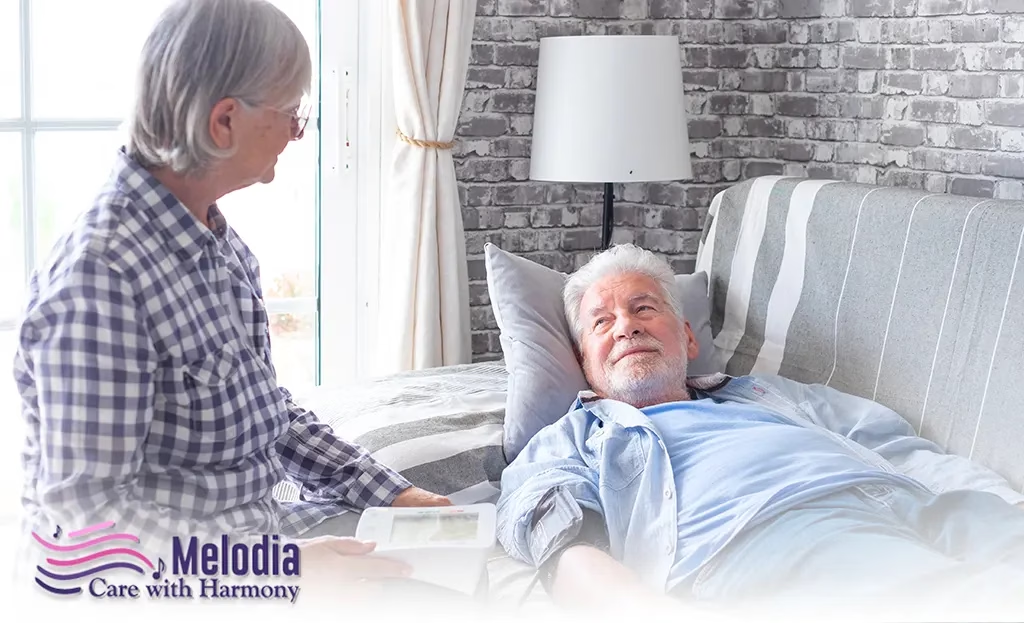
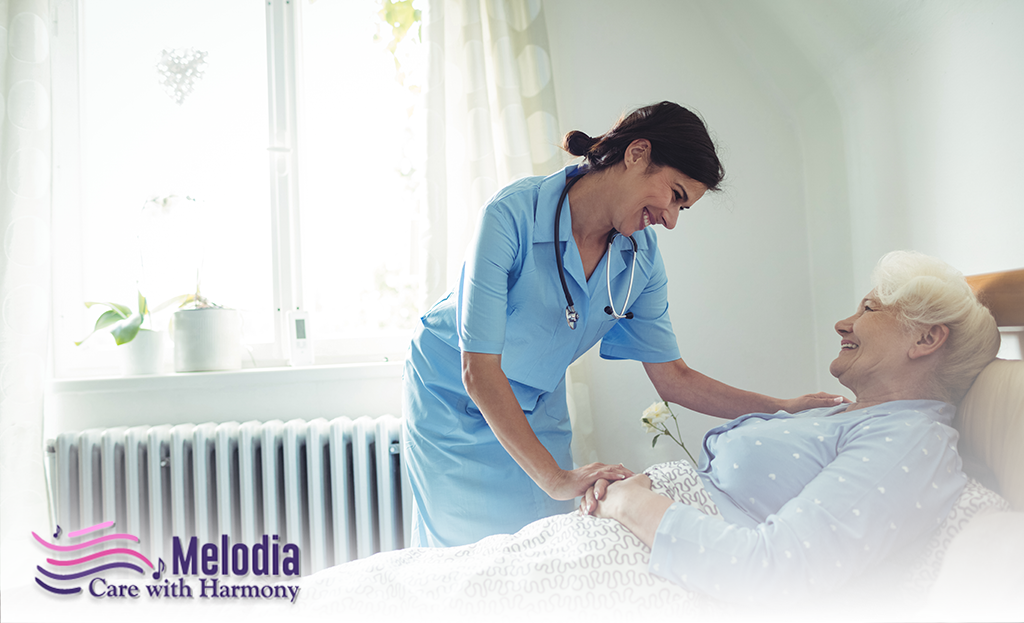
Hospice care focuses on making life better when a cure is no longer available. This care is offered at home, where the patient is among their stuff, rituals, and loved ones.
A typical hospice team that comes to your home has:
- Nurses are there to help with symptoms and give out prescriptions.
- Home health aides can help with things like bathing and getting dressed every day.
- Social workers can help with both emotional and practical concerns.
- Spiritual counselors can help if you want them to.
- People who want to help by keeping you company and letting you rest.
These professionals visit the patient on a regular timetable that works for them, and they are always available by phone for emergencies.
Why You Should Pick Home Hospice

1. Places that are safe and familiar
When you’re at home, you can sleep in your bed, hear sounds that are familiar to you, and have your possessions close by. These little things can have a tremendous impact when things are hard.
2. More time with the people you love
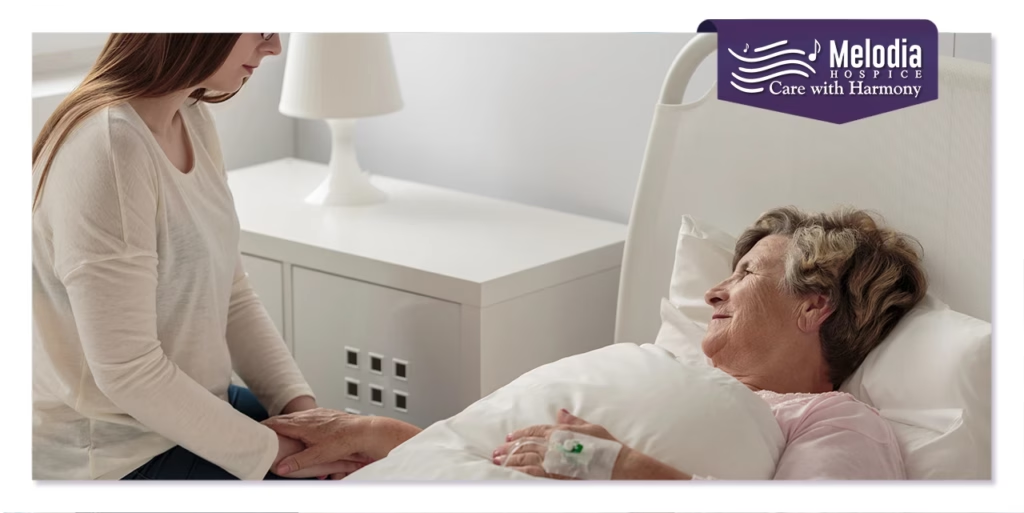
Sometimes people can go to hospitals. Not houses. Families can be together without any rules when they obtain hospice care at home. This provides them time to communicate and do things that matter to them.
3. Care that is right for you
Hospice care at home is not affected by the schedule of a hospital. The most crucial factor is what makes the person feel at peace, like a favorite chair in the living room or pleasant music playing in the background.
4. Family members should take part
Family members can help take care of someone in person. It can be hard, but hospice nurses will help you get through it by giving you training, advice, and emotional support.
What It’s Like to Get Home Hospice Care Every Day
Having a nurse in your home all the time doesn’t indicate you need home hospice care. The hospice staff comes by a lot to show family caregivers how to take care of their everyday requirements instead.
This could mean:
- How to deal with pain or problems breathing
- Helping with eating and drinking
- Helping with keeping things clean
- Offering emotional support
- Changing care as the condition gets worse
- Hospice also brings things like hospital beds, oxygen, and mobility aids right to the person’s home.
When Home Hospice Might Not Be the Best Option
For many people, hospice care at home is a good option, but it’s not the best option for everyone. Some families might not be able to handle the expectations, especially if the symptoms develop too seriously and they don’t have access to ongoing expert care.
In some cases, inpatient hospice facilities or respite care, where the client stays in a care setting for a short period, might aid while still keeping the same philosophy of comfort and respect.
Things That Worry People About Home Hospice
Do I have to do all the work myself ?
No. The hospice team trains and helps you so you never feel alone, even when family members are around.
What if something happens at night?
Hospice services include help over the phone 24 hours a day and visits for emergencies.
Will my insurance cover hospice care at home?
Medicare covers home hospice in the U.S. and many other places. Private insurance usually covers it as well. Always ask your provider first.
How to Prepare for Hospice at Home
Make a safe space: To make it easier for the person to get around, clear walkways, change the lighting, and make sure the paths are clear.
Get supplies: Make sure you can easily get to the things you need for your health and personal care.
Make a care plan: Work with the hospice staff to make a timetable that includes time for visits, rest, and family time.
Accept help: your friends and relatives probably want to help. Let them deliver food, run errands, or spend time with your loved one so you can relax.
(FAQs)
What is hospice care at home, exactly?
Hospice care at home means getting medical and emotional support that focuses on comfort in your own home instead of in a hospital or other facility. A group of nurses, aides, and counselors comes by often to help.
Who takes care of you during home hospice?
Taking care of someone is a group effort. Hospice nurses, home health aides, social workers, and sometimes even volunteers all work together. Family members are also very important, and the hospice team helps them.
Does insurance pay for home hospice care?
Home hospice services are covered by a lot of insurance policies, including Medicare in the U.S. It’s essential to check with your provider because coverage can be different.
Can hospice care at home deal with emergencies?
Yes. Hospice teams are available by phone 24/7 and can come to your house right away if you need help with symptoms or worries.
What if the family caregivers need a break?
Respite care choices let family caregivers take a break while the patient remains in a hospice for a short time. This helps keep care going and prevents burnout.
How can I tell if home hospice is the best option for my loved one?
Talk to both your doctor and a hospice provider. They’ll look at symptoms, support needs, and how ready the family is to suggest the ideal place for care.
Conclusion
People can spend their last days at home with hospice care, where they feel most at peace, with family and friends. With the support of qualified professionals, families can create a loving and respectful setting that values both comfort and connection.
If you’re considering this option, please contact Melodia Care to discuss your needs, ask questions, and learn how we can help you in making home hospice a reality.