
Although the terms are often used interchangeably, signs and symptoms are not the same thing. Understanding how they differ can help families communicate more clearly with the hospice team.
Signs
A sign is something observable or measurable by someone other than the patient—a caregiver, nurse, or doctor. Signs can be seen, heard, felt, or measured through medical assessments.
Examples of signs in hospice include:
- Rapid or shallow breathing
- Change in skin color.
- Decreased urine output
- Abnormal vital signs
- Restlessness or agitation
- Swelling (edema)
Signs do not require the patient to express their feelings.
Symptoms
A symptom is a subjective experience reported by the patient. It cannot be measured externally; instead, the patient must describe what they feel.
Examples of symptoms in hospice include:
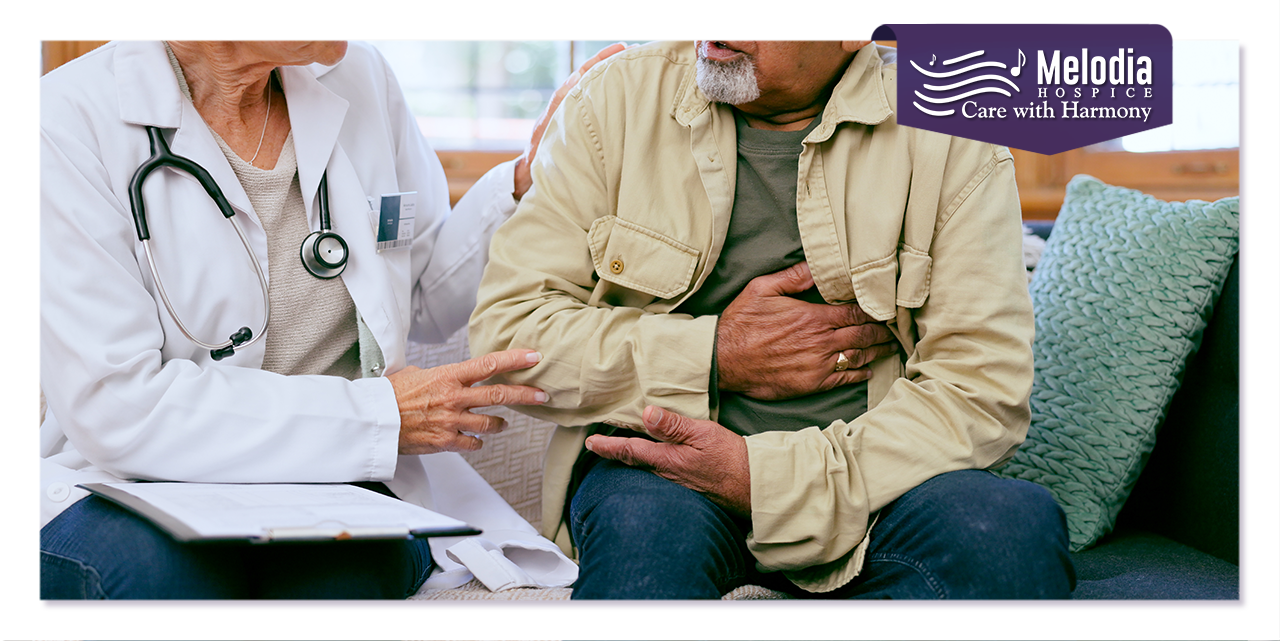
- Pain
- Nausea
- Shortness of breath
- Anxiety
- Fatigue
- Dizziness
Symptoms depend on the patient’s ability to communicate, which becomes challenging in advanced end-of-life stages.
Why Understanding Signs vs Symptoms Matters in Hospice Care

1. Improves communication with the hospice team
When families correctly identify a sign or symptom, the hospice nurse can better determine the cause and adjust care.
2. Ensures timely comfort-focused treatment
A symptom like pain can be quickly treated with medication. A sign like irregular breathing might indicate the patient is transitioning toward the end of life.
3. Helps families emotionally prepare
Recognizing signs and symptoms helps loved ones understand what is happening physically and emotionally as the patient’s condition changes.
4. Supports individualized care plans
Hospice focuses on personalized comfort care. Knowing what the patient feels (symptoms) and what the body shows (signs) provides a full picture for effective care.
Common Signs Observed in Hospice Patients

Below are some of the most frequently seen signs during hospice care:
1. Changes in Breathing
- Cheyne-Stokes respirations (waxing and waning breath patterns)
- Periods of apnea (pauses in breathing)
- Rapid or shallow breaths
These are observable signs and often indicate the body is slowing down.
2. Decreased Appetite and Fluid Intake
Patients may stop eating or drinking. Families often worry, but this is a natural sign of the body’s shutdown process.
3. Skin Changes
- Cool or mottled skin
- Pale complexion
- Blotchy or blue hands and feet
These changes in skin color signal reduced blood circulation.
4. Reduced Urine Output
Less fluid intake and kidney function lead to:
- Dark urine
- Smaller amounts
- Longer intervals
It’s an important sign nurses monitor closely.
5. Restlessness or Agitation
Patients may appear restless, pick at sheets, or seem confused. This is a sign of terminal agitation and can be managed with medication.
6. Weak Pulse
A faint or irregular pulse is a measurable sign of decline.
Common Symptoms Experienced by Hospice Patients

1. Pain
Pain is one of the most commonly reported symptoms.
Patients may describe it as:
- Sharp
- Aching
- Burning
- Radiating
Hospice teams specialize in pain management to ensure comfort.
2. Shortness of Breath (Dyspnea)
Patients might say:
- I can’t catch my breath
- I feel suffocated
Even if their oxygen levels look normal, the feeling matters.
3. Skin Changes
- Cool or mottled skin
- Pale complexion
- Blotchy or blue hands and feet
These changes in skin color signal reduced blood circulation.
4. Reduced Urine Output
Less fluid intake and kidney function lead to:
- Dark urine
- Smaller amounts
- Longer intervals
It’s an important sign nurses monitor closely.
5. Restlessness or Agitation
Patients may appear restless, pick at sheets, or seem confused. This is a sign of terminal agitation and can be managed with medication.
6. Weak Pulse
A faint or irregular pulse is a measurable sign of decline.
Common Symptoms Experienced by Hospice Patients

1. Pain
Pain is one of the most commonly reported symptoms.
Patients may describe it as:
- Sharp
- Aching
- Burning
- Radiating
Hospice teams specialize in pain management to ensure comfort.
2. Shortness of Breath (Dyspnea)
Patients might say:
- I can’t catch my breath
- I feel suffocated
Even if their oxygen levels look normal, the feeling matters.
3. Nausea or Vomiting
These symptoms may come from medications, disease progression, or digestive slowing.
4. Anxiety or Fear
Emotional symptoms are just as important as physical ones. Hospice provides counseling and emotional support.
5. Fatigue
Patients often feel extreme tiredness or weakness.
6. Confusion
Patients may experience memory problems, disorientation, or hallucinations.
Why Distinguishing Between Signs and Symptoms Helps Hospice Clinicians
Recognizing whether something is a sign or symptom allows hospice teams to:
- Adjust medication appropriately: Symptoms like pain or anxiety require immediate intervention.
- Track disease progression: Signs like swelling or mottled skin help identify transitions.
- Improve quality of life: Hospice is comfort-focused, so identifying both signs and symptoms ensures the patient is as peaceful and comfortable as possible.
- Support non-verbal or unconscious patients: When patients can no longer describe their symptoms, nurses depend on signs to understand what the patient may be experiencing.
How Melodia Care Hospice Monitors Signs and Symptoms
At Melodia Care Hospice, we take a comprehensive and compassionate approach to assessing signs and symptoms.
1. Routine Nursing Assessments
Nurses regularly check for:
- Vital signs
- Skin appearance
- Breathing patterns
- Behavioral changes
2. Pain and Symptom Monitoring Tools
We use specialized tools such as:
- The FLACC Scale (for non-verbal patients)
- PAINAD Scale
- Dyspnea assessment tools
3. Family Education
We teach caregivers how to recognize signs and symptoms and when to call the hospice nurse.
4. 24/7 Accessibility
Families can reach our hospice team anytime when a new sign or symptom appears.
5. Personalized Care Plans
Every patient receives a care plan tailored to their unique signs, symptoms, preferences, and goals.
Understanding Signs That a Patient May Be Near the End of Life
As a patient approaches the final stage, certain signs may appear:
- Long pauses between breaths
- Unresponsiveness
- Cold extremities
- Bluish or mottled skin
- Dropping blood pressure
These are signs, not symptoms, because the patient can’t report them. Recognizing them helps families prepare and ensures a peaceful transition.
Emotional Symptoms vs Emotional Signs
Emotional Symptoms (patient-reported)
- “I feel scared.”
- “I feel sad or lonely.”
- “I’m worried about my family.”
Emotional Signs (observed)
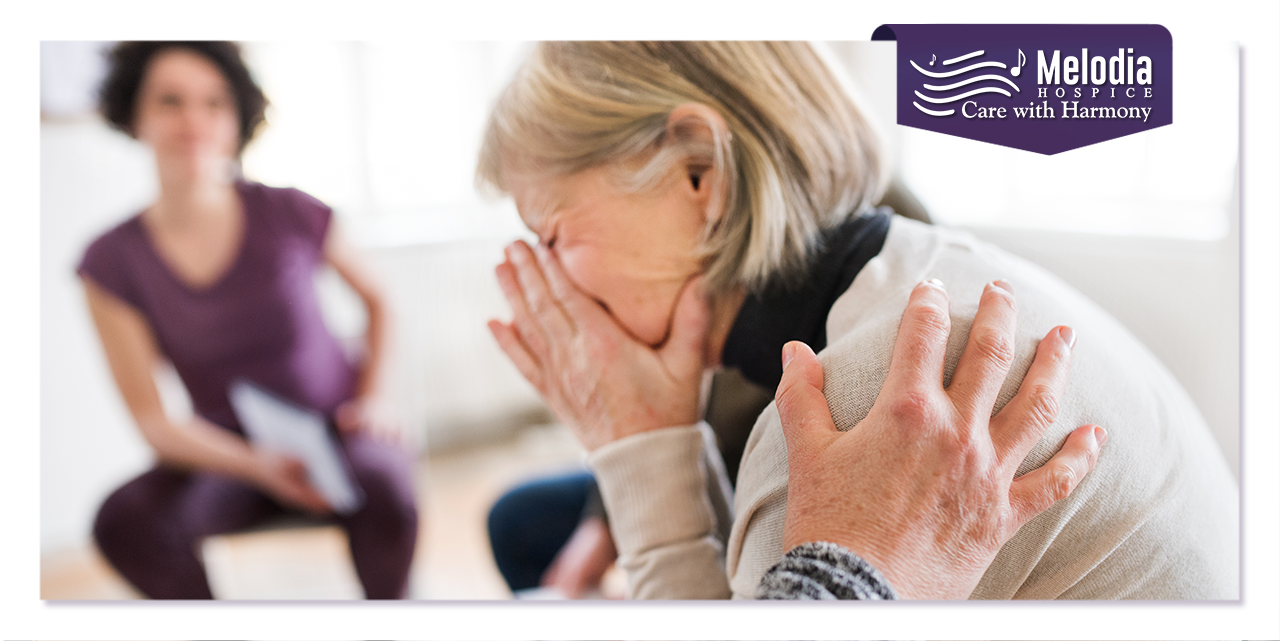
- Crying
- Withdrawal
- Irritability
- Silence
Hospice care includes social workers, chaplains, and counselors to help with emotional well-being.
How Hospice Helps Families Understand Signs and Symptoms
Melodia Care Hospice provides families with:
Education and guidance
We explain what to expect at each stage.
Emotional support
Understanding signs and symptoms reduces fear and uncertainty.
Tools to provide better caregiving
Families learn:
- How to monitor symptoms
- What each sign may indicate
- When to contact the nurse
Peace of mind
Knowing the hospice team is actively monitoring the patient makes families feel supported.
FAQs
What is the main difference between a sign and a symptom?
A sign is observable by others, while a symptom is something only the patient can feel and describe.
Why are signs important in hospice care?
They help clinicians identify physical changes, track disease progression, and adjust comfort measures.
What if the patient cannot speak?
Hospice teams rely on signs—such as facial expressions, breathing patterns, and body language—to assess discomfort.
Are emotional changes considered signs or symptoms?
Both. Some emotional experiences are reported by the patient (symptoms), while others are observed externally (signs).
When should families call hospice about new signs or symptoms?
Any time a change occurs—especially increased pain, shortness of breath, agitation, or unresponsiveness.
Conclusion
Understanding the difference between signs and symptoms in hospice care is essential for navigating the end-of-life journey with clarity, confidence, and compassion. Signs are observable changes, while symptoms are what the patient personally feels. Both are critical pieces of information that help the hospice team ensure comfort, adjust care plans, and support families emotionally.
At Melodia Care Hospice, our mission is to help patients live their final days with dignity, comfort, and peace—while supporting families every step of the way.