

As people age, their bodies undergo numerous changes that increase their risk of developing significant health issues. Pulmonary edema, or the accumulation of fluid in the lungs, is a concerning issue in older adults. This condition can make it hard to breathe, deplete oxygen levels, and have a big impact on quality of life, especially for seniors with serious illnesses.
Families caring for elderly loved ones often ask: What causes fluid in the lungs in elderly patients, and how is it managed in hospice care?
In this guide, Melodia Care Hospice explains the underlying causes, symptoms, treatments, and the role hospice plays in providing comfort and support for elderly patients dealing with this condition.
What Does “Fluid in the Lungs” Mean?
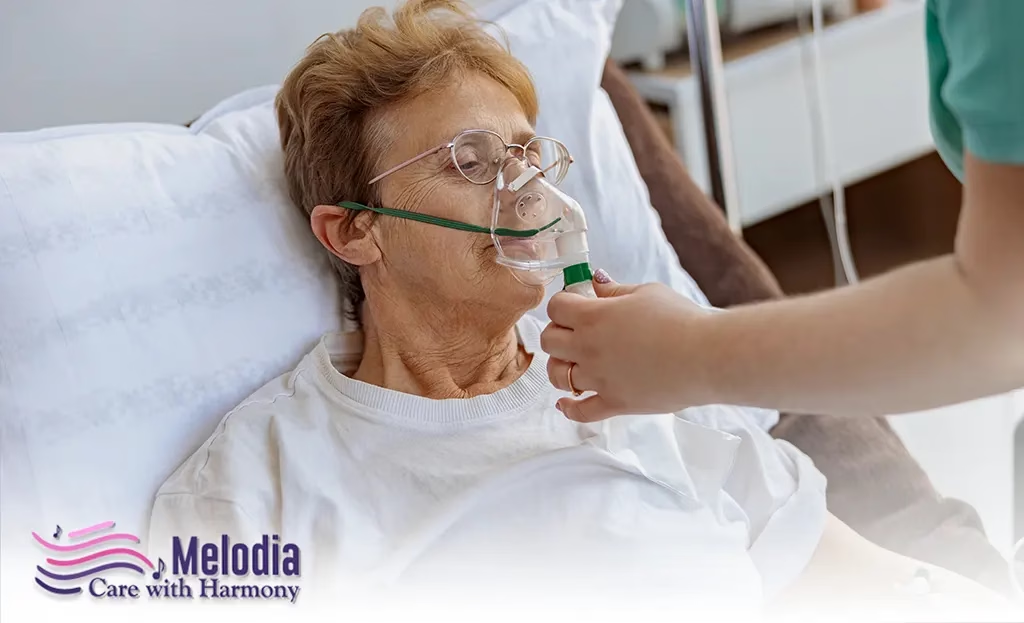
When doctors say there is “fluid in the lungs,” they usually mean pulmonary edema, which is when too much fluid builds up in the air sacs (alveoli) of the lungs. The lungs fill with fluid instead of air, which makes it hard to breathe.
This is not the same as pleural effusion, which is when fluid builds up in the area between the lungs and the chest wall. Both can make it very hard for older people to breathe.
Common Causes of Fluid in the Lungs in the Elderly

There are several reasons why elderly patients may develop pulmonary edema or pleural effusion. Below are the most common causes:
1. Congestive Heart Failure (CHF)
- How it happens: The heart becomes too weak to pump blood efficiently. Blood backs up into the lungs, leading to fluid leakage into the alveoli.
- Why it’s common in older adults: Aging weakens the heart muscle, and many older adults live with long-term conditions such as hypertension, heart disease, or valve problems.
2. Pneumonia and Infections
- Elderly individuals are more prone to infections like pneumonia.
- Infection causes inflammation, leading to fluid and pus accumulation in the lungs.
- Seniors with weakened immune systems are especially vulnerable.
3. Kidney Disease
- Healthy kidneys filter extra fluid and waste.
- In elderly patients with chronic kidney disease, the body retains fluid, which can accumulate in the lungs.
4. Liver Disease
Conditions like cirrhosis can cause fluid buildup (ascites). This fluid sometimes leaks into the chest cavity, causing pleural effusion.
5. Cancer
- Lung cancer, breast cancer, or metastatic cancers can cause fluid buildup in or around the lungs.
- Cancer treatments, such as chemotherapy, may also increase the risk of pleural effusion.
6. Pulmonary Embolism (Blood Clot)
- A blood clot in the lung’s arteries raises pressure, leading to fluid leakage.
- Seniors with limited mobility, recent surgery, or clotting disorders are at greater risk.
7. Acute Respiratory Distress Syndrome (ARDS)
- A severe response to infection, trauma, or sepsis.
- The lungs fill with fluid rapidly, often requiring immediate hospitalization.
8. Medication Side Effects
Certain medications, including chemotherapy drugs, nonsteroidal anti-inflammatory drugs (NSAIDs), and some heart medicines, can cause fluid buildup in the lungs.
9. Age-Related Weakness
Elderly patients often experience reduced lung elasticity, weaker respiratory muscles, and slower fluid clearance—all of which make them more susceptible to fluid retention.
Symptoms of Fluid in the Lungs in the Elderly

Recognizing early warning signs is crucial for timely care:
- Shortness of breath, especially when lying flat
- Rapid, shallow breathing
- Wheezing or gurgling sounds in the chest
- Chronic coughing (sometimes producing pink, frothy sputum)
- Extreme fatigue or weakness
- Anxiety or restlessness due to difficulty breathing
- Swelling in legs or feet (if related to heart or kidney issues)
For hospice patients, these symptoms can be distressing, but supportive care can greatly improve comfort.
How is Fluid in the Lungs Diagnosed?
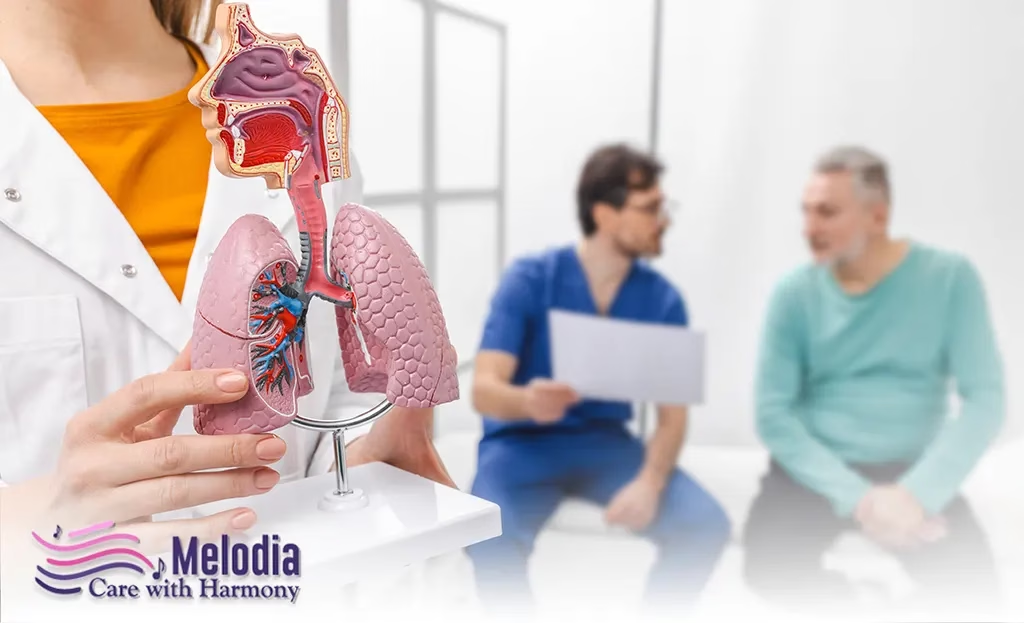
Doctors may use several tests to confirm pulmonary edema or pleural effusion:
- Chest X-ray – Shows fluid accumulation.
- CT scan – Provides detailed lung images.
- Echocardiogram – Assesses heart function.
- Blood tests – Detect kidney, liver, or heart issues.
- Thoracentesis – Fluid sample is removed and analyzed (for pleural effusion).
Treatment Options for Fluid in the Lungs
The treatment depends on the cause, severity, and overall health of the patient.
Medical Treatments:
- Diuretics (Water Pills) – Help remove excess fluid from the body.
- Oxygen Therapy – Increases oxygen supply to ease breathing.
- Medications – For heart failure, infection, or other underlying causes.
- Thoracentesis or Pleural Drainage – Removing fluid from around the lungs with a needle or catheter.
- Mechanical Ventilation – In severe cases, a breathing machine may be needed.
Fluid in the Lungs in Hospice Patients
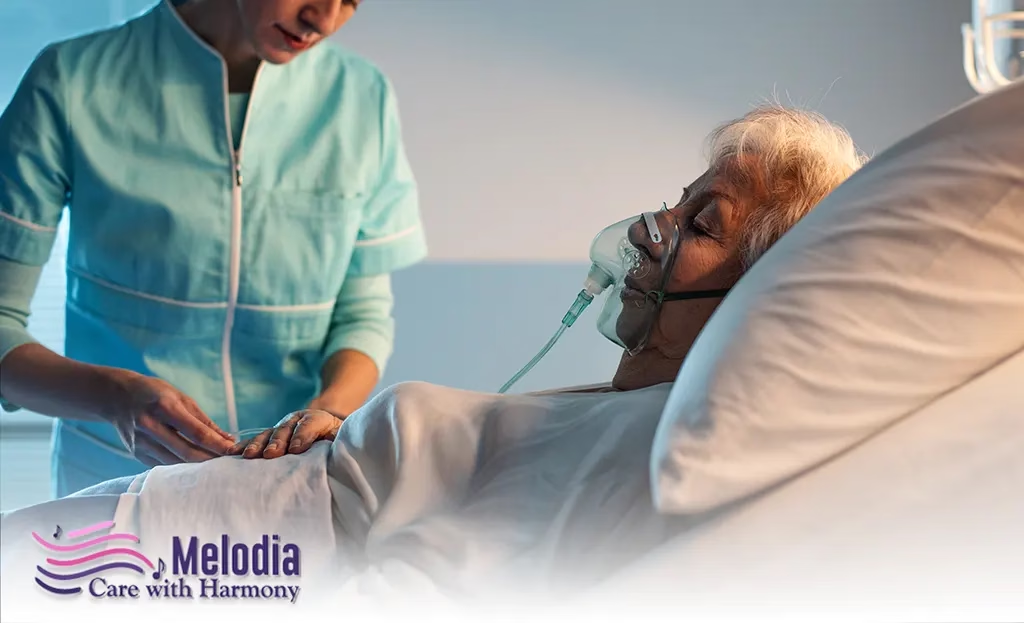
When older people are in hospice care, the focus changes from vigorous treatment to care that makes them feel better. The purpose is to help both patients and their families by relieving symptoms.
Hospice Care Approaches Include:
- Oxygen therapy for easier breathing.
- Low-dose morphine to reduce breathlessness.
- Positioning support (sitting upright helps lungs expand).
- Drainage procedures (when appropriate for comfort).
- Emotional and spiritual support for both patients and loved ones.
At Melodia Care Hospice, our team provides personalized care that manages discomfort while respecting the patient’s wishes.
When to Consider Hospice for Fluid in the Lungs

Families may consider hospice when:
- The underlying cause (e.g., heart failure, cancer) has advanced.
- Symptoms persist despite medical treatment.
- Hospital visits become frequent and exhausting.
- The focus shifts toward quality of life rather than cure.
Coping Tips for Families

Watching a loved one struggle to breathe is emotionally challenging. Families can support elderly loved ones by:
- Helping them sit upright or use extra pillows.
- Ensuring prescribed medications are taken on time.
- Using a humidifier to ease breathing.
- Communicating openly with hospice nurses about symptoms.
- Practicing self-care to manage stress as caregivers.
FAQs
What is the most common cause of fluid in the lungs in the elderly?
Congestive heart failure is the leading cause of pulmonary edema in seniors.
Can fluid in the lungs be cured?
It depends on the cause. Some cases are treatable (infections), while others (advanced heart or kidney disease) may be managed rather than cured.
Does fluid in the lungs mean the end of life?
Not always, but in elderly hospice patients, it may indicate disease progression. Hospice care can help ease symptoms.
How long can an elderly person live with fluid in the lungs?
Survival depends on the cause and overall health. With chronic conditions, repeated fluid buildup is common. In hospice, the focus is on comfort rather than prolonging life at all costs.
How does hospice help with fluid in the lungs?
Hospice provides oxygen therapy, medications for breathlessness, emotional support, and home-based care to ensure comfort.
Final Thoughts
Heart problems, kidney failure, infections, or cancer can all cause fluid to build up in the lungs of older people. Some older persons with advanced illness can get better, but their symptoms commonly come back.
Our goal at Melodia Care Hospice is to give elderly patients who are going through this a comfortable, dignified, and caring place to stay. We assist families in getting through this hard time by meeting their physical and emotional needs.