

Pain isn’t necessarily something people say out loud. For many, especially those with serious illnesses, cognitive decline, or trouble communicating, it can be hard to put their discomfort into words. In these situations, the body often speaks for them.
Non-verbal symptoms of pain are crucial for caregivers, families, and healthcare providers to recognize when someone is experiencing pain and to help them feel better.
At Melodia Hospice Care, we understand the importance of looking beyond words. Families and caregivers can ensure their loved ones get the help they need by learning to pick up on these small signs.
Why It’s Important to Pay Attention to Non-Verbal Signs of Pain

Not everyone can talk about pain in the same way. Some people may downplay their pain, while others may not be able to articulate how they feel because of their physical or mental condition.
Older adults, especially those with dementia, stroke, or neurological disorders, sometimes don’t express discomfort because they cannot describe it directly. Ignoring these signals can cause more suffering than necessary.
Unmanaged pain doesn’t just bring physical discomfort; it can also disturb sleep, affect appetite, alter mood, and lower overall quality of life. Being able to read body language helps caregivers understand how someone feels without them having to say anything.
Common Non-Verbal Signs of Pain

Pain can show itself in the body, on the face, or even in small changes in daily behavior. Being able to recognize these clues can make a significant difference.
1. Facial Expressions
The face often reveals what words cannot. Look for:
- Frowning or grimacing
- Tightened jaw or clenched teeth
- Furrowed eyebrows
- Flinching when touched or moved
Even small changes in facial tension, such as pursed lips, can signal discomfort.
2. Body Movements and Posture
Pain often changes the way a person moves or holds themselves. Non-verbal signs may include:
- Guarding or protecting a specific area of the body
- Restlessness or constant shifting in bed or a chair
- Reduced mobility, stiffness, or reluctance to move
- Sudden withdrawal when touched
- Tense or curled-up muscles
If someone avoids using a certain limb or walks more slowly than usual, it could be because they are trying to avoid pain.
3. Sounds Without Words
Even if someone isn’t speaking, the noises they make can reveal discomfort. Look for:
- Moaning, groaning, or sighing
- Crying or whining
- Sharp gasps when moved
- Repeated throat clearing or muttering
These sounds are often involuntary and should be taken seriously.
4. Changes in Daily Behavior
Pain can cause noticeable shifts in everyday routines. Watch for:
- Loss of appetite or refusal to eat
- Trouble sleeping or frequent waking
- Withdrawal from social interaction
- Loss of interest in usual activities
- Sudden fatigue or drop in energy
While these changes may not seem significant at first, they could point to ongoing pain.
5. Emotional and Mood Shifts
Pain does not just affect the body; it also impacts emotions. Non-verbal signs may include:
- Irritability or agitation
- Restlessness or pacing
- Unusual quietness or withdrawal
- Confusion or disorientation
In people with memory-related conditions, pain may appear as aggression or frustration.
6. Physiological Changes
Sometimes the body shows physical stress caused by pain. Signs may include:
- Rapid or shallow breathing
- Sweating or clammy skin
- Increased heart rate or blood pressure
- Sudden flushing or paleness
These signals alone don’t always mean pain, but combined with other signs, they can point to discomfort that needs attention.
How to Recognize Pain in People with Dementia
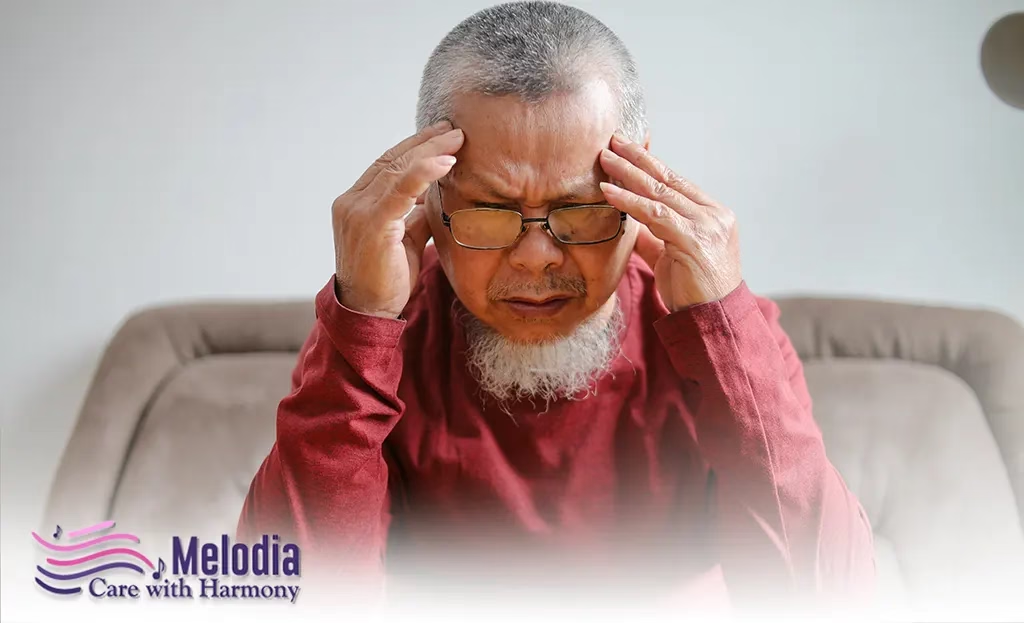
Caring for someone with dementia requires extra sensitivity. Since verbal communication becomes more difficult over time, families must rely heavily on non-verbal cues.
Behaviors such as pacing, shouting, or striking out are ways of showing discomfort. Observing patterns and paying close attention can help uncover hidden pain in dementia care.
The Role of Families and Caregivers

Families are often the first to notice small changes. A loved one may smile less, sit differently, or refuse favorite meals. These insights are valuable because caregivers spend the most time with them.
Writing down changes and sharing them with healthcare providers helps guide treatment. Gentle communication also makes a difference. Asking yes-or-no questions, using touch, or watching reactions during activities can give a clearer picture of pain levels.
What Healthcare Professionals Do

In professional care settings, pain evaluation goes beyond verbal reporting. Nurses and doctors often use standardized tools to measure non-verbal signs, especially when communication is limited.
Observation of behavior, monitoring physical changes, and assessing response to treatment all help determine comfort levels.
At Melodia Hospice Care, our staff is trained to identify these subtle signs. We believe no one should live in pain, so we focus on both medical and emotional comfort.
Helping Others Feel Better Through Compassionate Care

Once non-verbal signs are identified, the next step is to take action. Pain management may involve medication, physical adjustments, relaxation techniques, or emotional support.
Sometimes repositioning, massage, or creating a calming environment is enough to ease discomfort. The goal is not only to relieve physical pain but also to restore dignity and peace. Families often find comfort knowing their loved one’s needs are respected, even without words.
Creating a Pain-Aware Home Environment

Families caring for loved ones at home can take simple steps to reduce pain:
- Ensure proper positioning in bed or chairs
- Provide soft pillows or supportive cushions
- Keep track of eating, sleeping, and activity patterns
- Use calming music, gentle lighting, or relaxation methods
- Share concerns promptly with healthcare providers
Awareness and proactive action can significantly improve comfort and quality of life.
When to Seek Professional Support

If non-verbal signs of pain are persistent, severe, or worsening, it may be time to seek professional care. Hospice services, like those provided by Melodia Hospice Care, focus on improving comfort and overall well-being.
Specialized teams can assess pain, create individualized care plans, and support both families and loved ones through every step of the journey.
FAQs on Non-Verbal Signs of Pain
What are non-verbal signs of pain?
They are physical or behavioral changes, like grimacing, restlessness, or loss of appetite, that signal discomfort without words.
Why are non-verbal signs important?
They help caregivers recognize pain early and provide relief, especially when someone can’t communicate.
How do you spot pain in dementia patients?
Look for unusual behaviors like agitation, pacing, aggression, or withdrawal.
What should families do if they notice these signs?
Record observations and share them with healthcare providers for proper care.
Can hospice help with pain management?
Yes. Hospice teams, like Melodia Hospice Care, specialize in managing pain and improving comfort.
Final Thoughts
Non-verbal symptoms of pain are more than just hints; they are the body’s way of asking for help. Recognizing these signs ensures no one suffers in silence. Families and caregivers who learn to see beyond words can provide true comfort and dignity during life’s most difficult times.
At Melodia Hospice Care, we are here to walk this path with you. Our team understands the importance of compassionate care that honors both comfort and humanity.
If you notice these signs in your loved one, don’t wait. Reach out to Melodia Hospice Care today and let us help bring comfort, relief, and peace.