
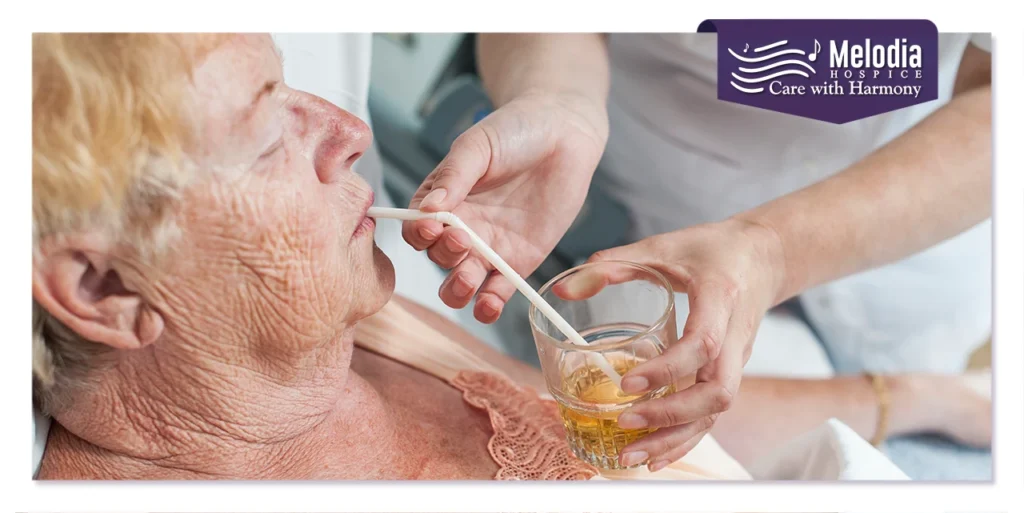
Mouth breathing is a frequent problem among people who are in hospice care. It can result in visible effects on the structure of your face, commonly described as “mouth breathing face”.
“Mouth breathing face” is a term used to describe facial changes and dental health. It happens when people breathe primarily through their mouth instead of the nose. Although it might seem like something minor, the fact is that mouth breathing can be a major factor in the patient’s general health, and the health in the hospice facilities.
When they are in hospice, patients can experience trouble breathing for different reasons. The chronic nature of medical problems, such as breathing issues, nose congestion, or the weakening of muscle tone, could make nasal breathing difficult. Additionally, the medications commonly used for palliative care could cause dryness in the nasal passages, which can encourage breathing with the mouth. Understanding the reasons behind this is the first action to take care of the physical and mental health effects of breathing through your mouth and face.
How Mouth Breathing Affects Facial Appearance

Continuous mouth breathing may cause visible facial changes as time passes. In the case of patients who are in Hospice care, the changes could be more prominent because of prolonged illness or immobility. Common facial signs of mouth breathing are an extended face, a smaller jawline, lips appearing smaller or less defined and a receding or sagging chin. The cheeks could appear more rounded, and the nose could appear more prominent.
The changes happen because nasal breathing is essential for healthy development and maintaining the facial muscles and bones. If a person breathes consistently through their oral cavity, the tongue usually sits lower inside the mouth rather than against the mouth’s roof. This reduces the natural pressure which helps to shape the arch of the teeth and facial shape, leading to “mouth breathing face”.
For cancer patients in hospice care, visual changes that come with mouth breathing may affect their confidence in themselves and their social interactions. The caregivers and family members might observe the changes, and this could be distressing for the patient as well as family members.
Health Implications of Mouth Breathing in Hospice

Beyond changes in facial expression, mouth breathing can lead to various health issues, which are especially relevant in the hospice setting. A major concern is dryness of lips and mouth resulting in cracked gums, oral infections, and discomfort during eating or talking. Saliva plays a vital function in neutralizing bacteria and dry mouth increases the likelihood of suffering from dental problems including gum disease and dental caries (cavities).
Mouth breathing can also lower efficiency in consuming oxygen, since the nasal breath helps filter, warm, and moisten the air. This is especially important for patients in hospice who have weak lungs. Constant mouth breathing can affect the quality of sleep, resulting in tiredness and a decrease in overall comfort.
In certain instances, constant mouth breathing may cause problems with swallowing or a higher chance of sustaining aspiration. Hospice caregivers must be on the keen outlook of patients’ for signs of these issues and preventive steps to ensure their comfort and security.
Strategies to Address Mouth Breathing in Hospice

The issue of mouth breathing in hospice care requires a caring and focused approach for patients. Although some causes might be medically impossible to avoid, there are a few methods that caregivers and hospice teams can employ to increase the patient’s comfort and to decrease changes in facial expressions.
1. Hydration and Moisturization: Making sure that patients are hydrated can prevent dryness due to mouth breathing. The use of lip balms and oral moisturizers is also a great way to relieve pain and lower the risk of sores and cracks.
2. Proper positioning and support: It helps to increase nasal breathing. Elevating the head a bit using supportive pillows can aid in reducing airway obstruction and bringing ease in nasal breathing.
3. Nasal Care: Gentle nasal irrigation or saline sprays can relieve congestion, promoting nasal breathing. Adhering to professional medical advice and watching for potential adverse reactions must be ensured.
4. Exercises for the face and mouth: Simple exercises supervised by an occupational or speech therapist can assist in maintaining muscle tone within the jaw and face, as well as reducing the effects of breathing through the mouth.
5. Continuous monitoring: Hospice staff must regularly monitor for signs that indicate dry mouth, dental infections or other problems. Early intervention is a great way to improve the patient’s health and quality of life.
Although most of the patients can not fully change their nasal airflow, minor changes can improve their overall comfort, decrease health risks, and improve their facial appearance.
Emotional and Social Considerations
The fact that one is breathing in hospice care isn’t only a medical issue; it also has social and emotional implications. The patient may feel uneasy due to their appearance or difficulty in talking effectively. The family members observing the changes can become anxious or frustrated.
Hospice care providers play an essential role in helping family members and patients. An encouraging and warm message, encouragement, and ways to keep the tranquility and well-being of patients may ease the emotional burden. The caregiver must focus the general health, including the physical, emotional, and social aspects simultaneously.
(FAQs)
What is a mouth breathing face?
The term “mouth breathing face” refers to the changes in facial appearance and structure that happen when someone breathes primarily through their mouth. It typically includes a wider face, a narrow jawline, slimmer lips, and an elongated chin.
What is the reason that mouth breathing is prevalent in hospice patients?
Several reasons contribute to this, including respiratory illnesses, chronic illness, nasal congestion, weak muscle tone, and the adverse effects of medication. These problems make breathing through nasal passage difficult, resulting in regular mouth breathing.
Do you think mouth breathing can be treated during the hospice setting?
While full correction might not always be feasible as a result of limitations in medical care. Hospice care can increase a patient’s comfort and decrease the risk of complications. The best strategies include drinking water, nasal care, appropriate placement, oral exercises, and monitoring for any infections or dryness.
Does breathing through the mouth affect the overall health of a person?
Yes, it does. The effects of chronic mouth breathing include dry mouth, as well as dental problems, decreased oxygen intake efficiency, and sleep disturbances. For patients in hospice, the effects of these conditions can greatly affect the quality of life.
Do you have specific exercises you can do to avoid facial changes?
Yes, the oral and facial exercises suggested by therapists can aid in maintaining the jaw’s muscle tone and structure. Even simple exercises, like lip closure and tongue placement exercises, can prove beneficial.
What can caregivers do to assist patients in making them more comfortable?
Caregivers can provide oral moisturizers, lip balms, mild Nasal sprays, and an elevated position. They must ensure that patients are hydrated. Support and encouragement are equally crucial.
What is the best time to be consulted?
If there are indications of extreme dryness, oral infections, breathing problems, or issues with swallowing, medical attention is essential. Hospice physicians can provide specific treatments to avoid complications.
How can mouth breathing be prevented in the future for hospice patients?
Preventing mouth breathing requires early intervention, proper treatment of nasal congestion, and maintaining good oral and facial health. The awareness of family members and caregivers is crucial.
Conclusion
Mouth breathing in hospice care is an atypical problem with aesthetic as well as health-related implications. While it isn’t always completely reversible, understanding its causes, the effects, and methods for managing will significantly enhance the comfort of patients and overall quality of living. Hospice caregivers and teams are essential in monitoring, delivering interventions, and assisting families and patients.
Through addressing mouth breathing by using practical strategies, patients can keep their oral health in check, minimize discomfort, and protect their facial shape and structure to the best possible extent. Awareness, compassion, and regular treatment are crucial to managing this condition efficiently. All the said steps ensure that patients are treated with the respect and care they deserve during their last stage of life.