

Grief is a universal part of the human experience. We grieve not only the loss of loved ones but also other life changes, such as divorce, the end of a relationship, or even the loss of a beloved pet. While grief looks different for everyone, certain patterns often appear during the process of healing.
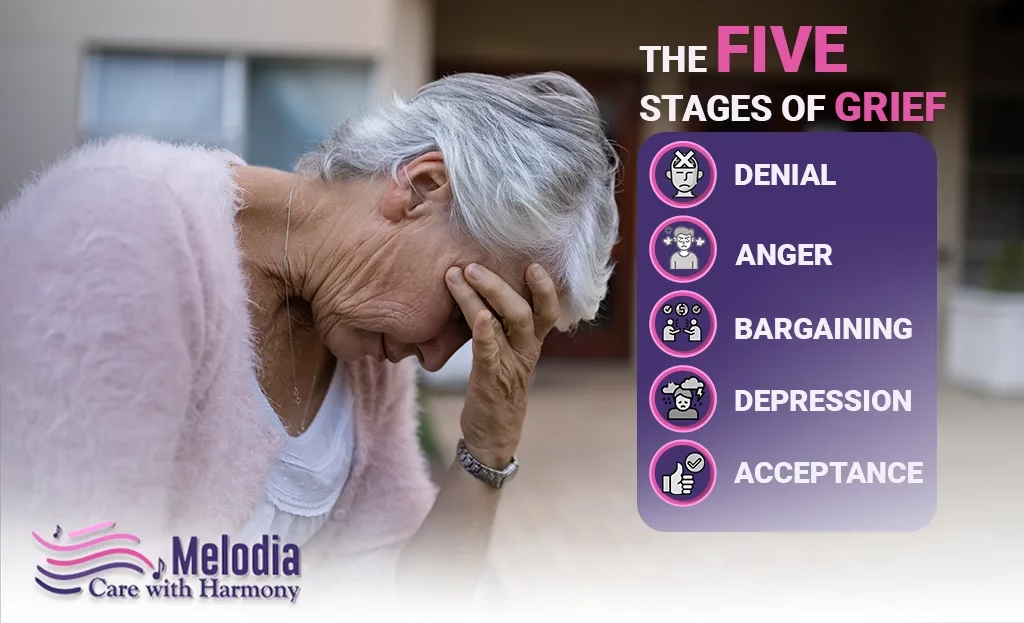
In 1969, psychiatrist Elisabeth Kübler-Ross described what became known as the five stages of grief: denial, anger, bargaining, depression, and acceptance. These stages are not a strict roadmap, and not everyone experiences each one in the same way or in the same order. Instead, they are common responses that many people encounter while coping with loss.
At Melodia Care Hospice, we walk beside families through these stages every day. By understanding what grief may look like, families can feel less alone and more prepared for the emotional journey.
The Five Stages of Grief
1. Denial
Denial is often the first response to loss. It serves as the mind’s natural defense against overwhelming reality. In this stage, people may feel numb, disoriented, or find themselves insisting that the news is a mistake.
For instance, a person receiving a serious diagnosis may hope that the test results were mixed up. After a death, loved ones may cling to the possibility that there has been some error. Denial is not about refusing to accept the truth; it is about pacing the pain so the heart can begin to adjust.
At Melodia Care, we remind families that denial is a natural form of protection. It gives space to breathe and prepares the mind for the emotions that follow.
2. Anger
As the shock of denial fades, anger can take its place. It is common to ask, “Why me?” or “How could this happen?” Anger may be directed at doctors, family members, or even at God.
Although it may feel unsettling, anger is a healthy and necessary stage of grief. It reconnects people to reality when life feels shattered and offers an outlet for pain. At times, anger may mask feelings of abandonment or helplessness.
What matters is not to suppress anger but to express it safely. Talking with a counselor, hospice chaplain, or support group can help constructively release this emotion.
3. Bargaining
Bargaining often appears as a series of “what if” statements:
- What if we had gone to the doctor sooner?
- What if I had done something differently?
It may also take the form of promises or negotiations with a higher power, such as, “If you heal my loved one, I will be a better person.”
Bargaining reflects the deep longing to turn back time and regain control. While this stage cannot change the outcome, it is a sign of love and the desire to protect those we care about. Melodia Care encourages families to acknowledge these thoughts with compassion rather than guilt.
4. Depression
Depression in grief does not always mean clinical depression, though it can feel very heavy. It is often the stage when reality sets in — the person or situation is truly gone. Feelings of emptiness, hopelessness, or withdrawal from daily life are common. Some people describe it as living in a fog or lacking the energy to face each day.
This stage is not about weakness; it is about confronting the depth of the loss. Support from counselors, hospice social workers, or bereavement teams can provide comfort and coping strategies. In some cases, medical treatment may also be helpful.
5. Acceptance
Acceptance does not mean that the loss is “okay.” It means coming to terms with a new reality. In this stage, emotions begin to stabilize. Life does not return to how it was, but there is room to adapt, rebuild, and eventually find moments of peace again.
Acceptance often brings the courage to re-engage with friends, create new routines, or cherish memories without being overcome by them. At Melodia Care, we see acceptance as the stage where love continues — carried forward in new ways while honoring the life that was lost.
Symptoms of Grief

Grief affects more than emotions; it can touch every part of life. Some common experiences include:
- Frequent crying
- Difficulty sleeping
- Headaches or physical aches
- Feelings of isolation or detachment
- Loss of appetite or fatigue
- Anxiety, frustration, or guilt
- Questioning spiritual beliefs or life’s purpose
Every person’s grief is unique. Some may experience many of these symptoms, while others notice only a few. What matters most is acknowledging the impact and seeking support when needed.
Approaches to Healing
There is no single “cure” for grief, but there are compassionate ways to support healing:
- Counseling and Support Groups: Talking with a professional or joining a bereavement group can provide comfort and understanding.
- Medications (when appropriate): Doctors may prescribe medications for sleep, anxiety, or depression. These can help in the short term but are usually paired with emotional support.
- Hospice Bereavement Services: At Melodia Care, our care does not end with the patient’s life. We continue to support families through grief with counseling, check-ins, and resources.
It is important to remember that grief is not a straight path. Some days will feel lighter, while others will feel heavy again. Healing comes in waves, and with time, families often discover new strength and meaning.
(FAQs)
Do all people go through the five stages of grief?
Not necessarily. The stages are a framework to describe common experiences, but not everyone will go through all five, or in the same order. Some people may only experience a few stages.
How long does each stage of grief last?
There is no set timeline. Some stages may last days, others weeks or months. Grief is highly individual, and it’s normal for emotions to come and go in waves.
Can grief cause physical health problems?
Yes. Grief can affect the body as well as emotions. People may experience fatigue, headaches, changes in appetite, sleep difficulties, or increased stress. Seeking support from healthcare providers can help manage these symptoms.
How can families support a loved one going through grief?
The best support often comes from listening, being present, and offering compassion without judgment. Practical help, like meals or errands, can also ease the burden. Encouraging professional or hospice support can be very helpful, too.
What resources does Melodia Care Hospice provide for grieving families?
At Melodia Care, we offer bereavement counseling, support groups, and ongoing check-ins after a patient’s passing. Families are never left to navigate grief alone — our team provides guidance, comfort, and compassionate resources.
A Final Word from Melodia Care Hospice
Grief is deeply personal. There is no right or wrong way to move through it, and no two journeys look the same. The five stages of grief are not rules but reminders that the emotions you feel are normal and shared by many.
At Melodia Care Hospice, we believe grief deserves compassion, patience, and guidance. Whether you are in denial, anger, bargaining, depression, or acceptance, you are not alone. We are here to walk with you, to listen, and to help bring comfort as you find your way through loss.