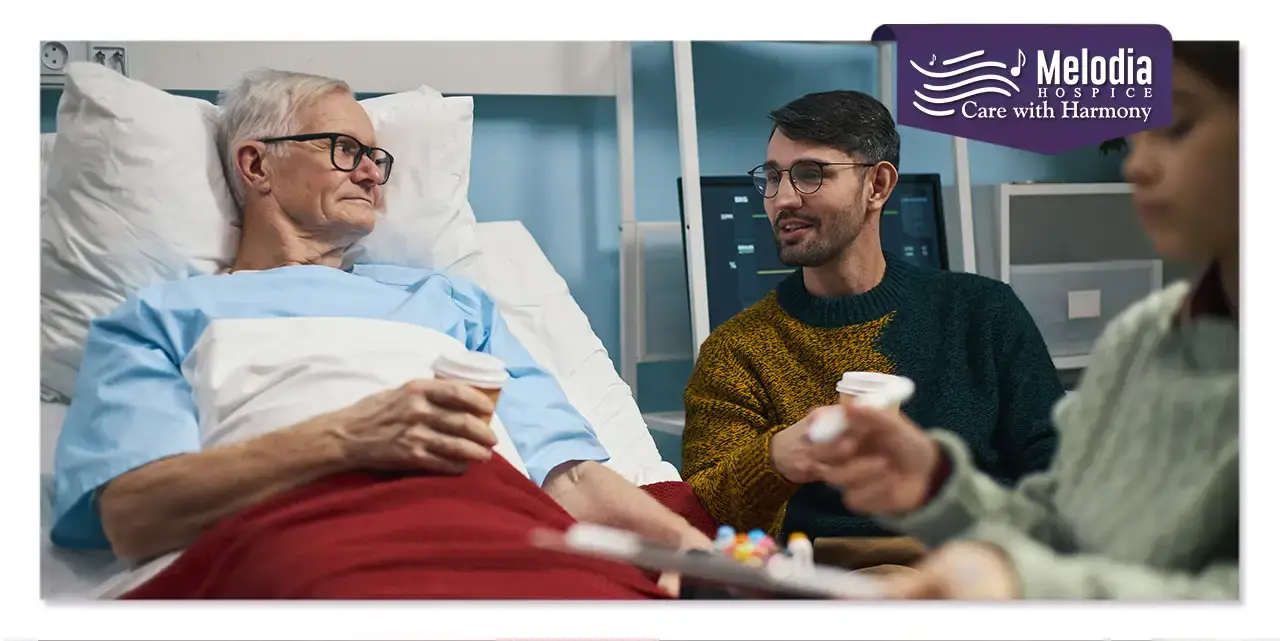

When a loved one enters hospice care, families often begin to wonder what signs indicate that the end of life may be near. Recognizing these changes can help caregivers prepare emotionally, respond with compassion, and ensure comfort and dignity in a patient’s final days.
Hospice care focuses on enhancing the quality of life and managing symptoms for individuals with life-limiting illnesses. As the body slows down, physical, behavioral, and cognitive changes become more noticeable. Understanding these signs can reduce fear and support informed decision-making.
Physical Signs of Decline
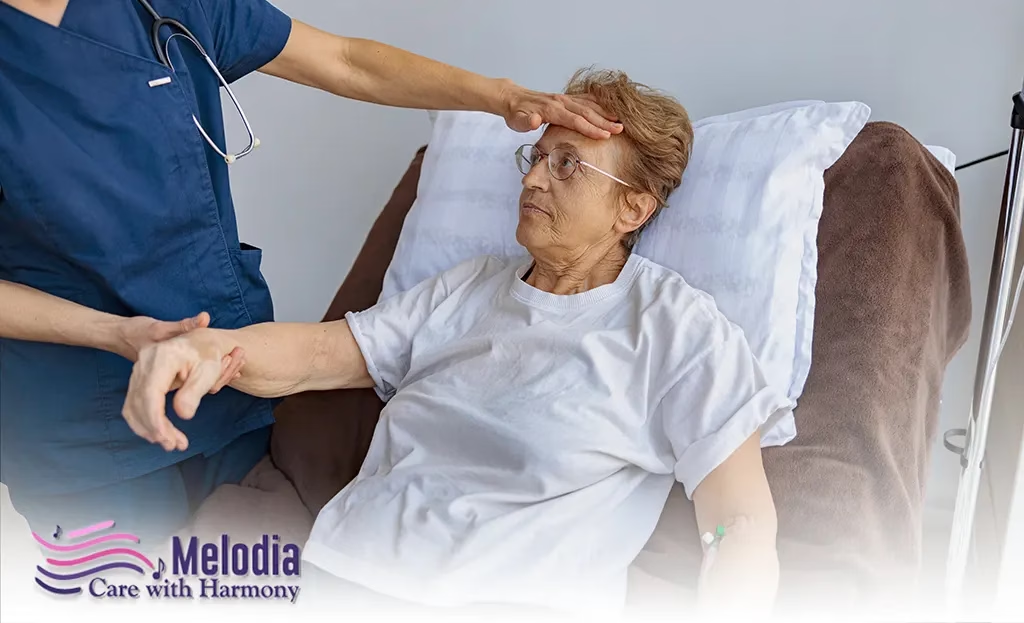
1- Decreased Appetite and Fluid Intake
Patients often eat and drink less as their body no longer requires the same energy. This is a natural part of the dying process and not typically a sign of suffering. Caregivers can provide comfort through mouth swabs, lip balm, or small sips of w2ater.
2- Increased Sleep and Fatigue
More time spent sleeping and less responsiveness is common. This reflects the body’s reduced energy levels and illness progression. While emotionally difficult, it is usually not painful.
3- Reduced Mobility
Patients may gradually lose the ability to walk or sit upright and eventually become bed-bound. To prevent discomfort and pressure sores, caregivers help reposition patients and ensure they remain comfortable.
4- Breathing Changes
Breathing may become irregular, shallow, or noisy due to mucus buildup. Cheyne-Stokes respirations—alternating rapid breaths with pauses—are common. While unsettling to witness, these changes are rarely painful. Medications and repositioning can help ease symptoms.
5- Cool Skin and Color Changes
Circulation slows, making hands and feet feel cool. Skin may appear pale, bluish, or mottled—particularly in the limbs—as the body focuses energy on vital organs.
6- Incontinence
Loss of bladder or bowel control is common in the final stages. Hospice staff provide gentle, respectful hygiene care to maintain dignity.
7- Difficulty Swallowing
Swallowing may become difficult or stop altogether. Hospice teams adjust medication forms and prioritize comfort measures.
Behavioral and Cognitive Changes

Reduced Communication
Speech may become limited or stop entirely, and patients may appear disengaged. Even if unresponsive, patients often still hear and sense presence. Gentle touch and soft voices can be soothing.
Confusion and Restlessness
Some patients experience agitation, restlessness, or attempt to get out of bed. These may be signs of terminal delirium. Hospice teams can offer medication and interventions to ease discomfort.
Withdrawal from Surroundings
Patients may stop engaging with others and show little interest in their environment. This detachment is typically part of the natural process, not emotional distress.
Decreased Responsiveness
In the final days or hours, patients may no longer respond to voices, touch, or light, appearing to be in a deep sleep or unconscious state.
Hallucinations or Delirium
Some may experience visual or auditory hallucinations. These are often not distressing and can be managed or observed with support from hospice professionals.
Emotional and Spiritual Signs

A Sense of Readiness
Some patients may express a sense of peace or readiness to let go. They might say goodbye or show signs of emotional closure. Hospice chaplains or counselors can support families through these moments.
Pain and Nausea
These symptoms may increase, but hospice care includes medication and therapies to keep patients as comfortable as possible.
Supporting a Loved One in Their Final Days

Recognizing these signs helps families focus on providing love, comfort, and peace. Here are simple ways to offer support:
- Keep the environment calm and quiet
- Offer gentle touch and soothing words
- Speak to them, even if they are unresponsive
- Play soft music or familiar sounds
- Keep lips and mouth moist
- Work closely with the hospice care team
(FAQs)
Is it normal for a hospice patient to stop eating and drinking?
Yes. The body’s energy needs decline, and food or fluids are no longer necessary. Comfort-focused care, such as mouth moistening, is more helpful.
Why is my loved one sleeping so much?
Increased sleep is common and reflects the body’s tendency to shut down. It is not usually a sign of suffering.
What should I do if my loved one becomes restless or confused?
Stay calm and notify the hospice team. Medications or environmental changes may help ease their discomfort.
Can unconscious patients still hear us?
Yes. Hearing is believed to be one of the last senses to fade. Gentle words and touch can still provide comfort.
How do I know when death is near?
Signs include shallow or irregular breathing, cool extremities, unresponsiveness, and mottled skin. Hospice staff will guide you through this time.
Conclusion
Watching a loved one decline is deeply emotional. But understanding what to expect can bring peace and preparedness. Hospice care is designed to ease this journey—providing physical, emotional, and spiritual support not just for patients, but for families too. Each person’s journey is unique. But with knowledge, compassion, and support, families can make the most of the time that remains.