
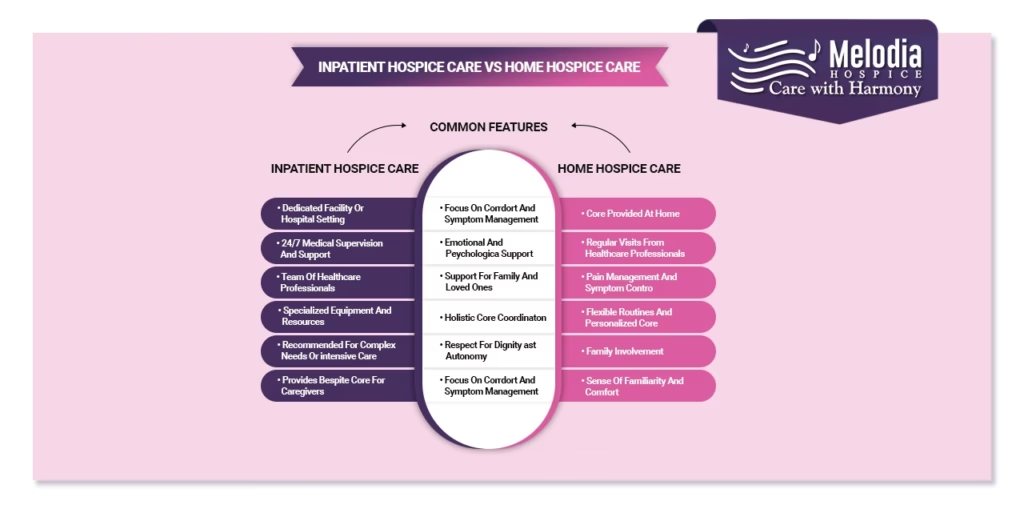
When faced with the difficult decision of choosing care for a terminally ill loved one, understanding the differences between inpatient hospice care and home hospice care is crucial. Families often prioritize comfort, a peaceful environment, and the best possible treatment, but the decision can be overwhelming without proper information.
Understanding Hospice Care Options

Inpatient Hospice Care and Home Hospice Care are two distinct approaches to end-of-life care. Both aim to provide comfort and support for patients. While inpatient care involves a more structured medical environment, home hospice allows patients to remain in a familiar setting, surrounded by loved ones.
What Is Hospice Care?

Hospice care is designed for patients with a life expectancy of six months or less. The focus is on comfort rather than cure, emphasizing quality of life. This care can be provided in various settings, including hospitals and at home.
Home Hospice Care Comfort in Familiar Surroundings

Home hospice care allows patients to receive medical support while staying at home. A dedicated team, including nurses, doctors, and specialists, provides care virtually or in person. A primary caregiver, often a family member, plays a critical role in coordinating care. However, being a caregiver can be physically and emotionally challenging. Melodia Care Hospice offers resources and support services for caregivers to help them manage these responsibilities.
Inpatient Hospice Care Specialized Support in a Medical Setting
Inpatient hospice care is ideal for patients who require more complex medical attention, such as advanced symptom management, or who do not have a primary caregiver at home. This care is provided in long-term care facilities or hospital hospice units, offering round-the-clock medical supervision, pain management, nutritional counseling, and emotional support. This option ensures that patients with critical conditions receive constant monitoring and medical intervention.
Inpatient vs. Home Hospice Which Is Right for Your Loved One?

Choosing between inpatient and home hospice care depends on the patient’s and the family’s specific needs. Inpatient care provides a structured environment with 24/7 medical supervision, making it suitable for patients with severe symptoms or complex medical needs. On the other hand, home hospice offers the comfort of familiar surroundings and is ideal for patients with stable conditions who prefer to stay with family. Considerations such as the availability of a primary caregiver and the patient’s medical condition play a key role in this decision.
Financial Considerations

Another important factor is cost. Hospice care, whether at home or inpatient, is typically covered by Medicare, Medicaid, and most private insurance plans. However, some services or care settings may involve additional out-of-pocket expenses. Families should consult their hospice provider to understand coverage options and any potential costs associated with care.
Long-Term Hospice Care Ensuring Comfort Over Time

Long-term hospice care focuses on maintaining comfort at home. Regular visits from nurses, aides, and social workers help manage pain and other symptoms. This care also includes emotional and psychological support, essential for the patient and their family. In-home hospice caregivers are supported with resources and training to ensure the patient’s needs are met over time.
Hospital-Based Hospice Care A Balanced Approach
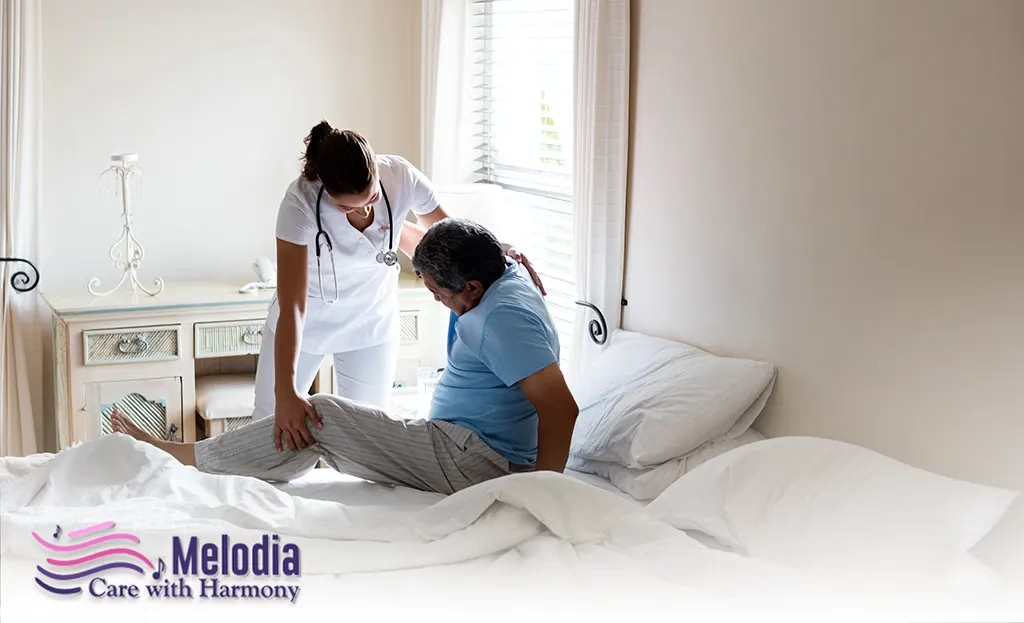
When a loved one’s condition is critical, deciding between inpatient and outpatient hospice care is vital. Hospital-based hospice care offers a middle ground, allowing families to spend time with their loved ones in their final days while receiving necessary medical care. This option is ideal for patients with sudden or rapidly changing conditions that require medical intervention but not long-term hospitalization.
Hospice A Philosophy of Care

Hospice care is not confined to a specific place but is a philosophy emphasizing comfort and quality of life during the final months, weeks, and days. Melodia Care Hospice is committed to alleviating pain and addressing emotional, spiritual, and even cultural concerns, enriching the time patients and families spend together. Our team is dedicated to ensuring that the patient’s values and wishes are honored throughout their care.
Hospice Care at Home What to Expect

At-home hospice care involves comprehensive support from nurses, aides, and social workers, available 24/7. This option allows families to make end-of-life decisions in a familiar environment, surrounded by loved ones. Hospice professionals help manage pain, provide spiritual care, and offer support to families during this emotional time.
Choosing Between Home and Inpatient Hospice Care

Most hospice care occurs in the patient’s home, with 56.5% of care provided in private homes and 42.5% in nursing facilities. Melodia Care Hospice coordinates in-home care, ensuring that all aspects, including social work, spiritual care, and bereavement support, are managed with the utmost compassion. For those needing more intensive care, our inpatient facilities provide a peaceful, medical environment with the same focus on comfort and dignity.
Get Support with Melodia Care Hospice
Melodia Care Hospice provides both inpatient and home hospice care, tailoring services to meet your loved one’s needs. Our dedicated team is here to support you through this challenging time, offering resources for caregivers and ensuring the highest level of care for your loved one. Contact us at 1-888-635-6347 for more information on how we can assist you in making the best choice.
FAQs
What is the main difference between inpatient hospice care and home hospice care?
Inpatient hospice care is given in a medical facility with staff on duty around the clock, making it perfect for patients with complicated medical needs. Home hospice care happens in the patient’s own home, so they can get medical and emotional support while staying in a place they know.
Who would be a good fit for hospice care in a hospital?
Inpatient hospice care is best for patients who need more help with their symptoms, need to be watched all the time, or don’t have a primary caregiver at home.
When is it better to use home hospice care?
People often choose home hospice care when their loved one is stable and they want to be around family and familiar things. This option needs a reliable primary caregiver.
Does insurance cover hospice care, whether it’s in a hospital or at home?
Yes. Most private insurance plans, as well as Medicare and Medicaid, cover hospice care in both settings. Families should, however, check the details of their coverage because some services or amenities may cost more.
If a patient’s condition changes, can they move from home hospice to inpatient hospice?
Yes, for sure. Patients can move from home to inpatient care (or the other way around) if their medical or personal needs change.
Does hospice care help family members and caregivers?
Yes. Both inpatient and home hospice care offer families emotional, spiritual, and practical help, such as grief counseling and resources for caregivers.