

Melodia Hospice Care aims to give comfort, dignity, and compassionate care to patients with life-limiting illnesses. Supplemental oxygen therapy can considerably enhance the quality of life for people with respiratory disorders by reducing breathlessness and increasing comfort.
The correct use of an oxygen tank is critical for safety and effectiveness. This guide will cover everything you need to know, from tank setup to resolving common issues, to ensure that patients and caregivers are comfortable managing oxygen therapy at home.
Understanding Oxygen Therapy in Hospice Care
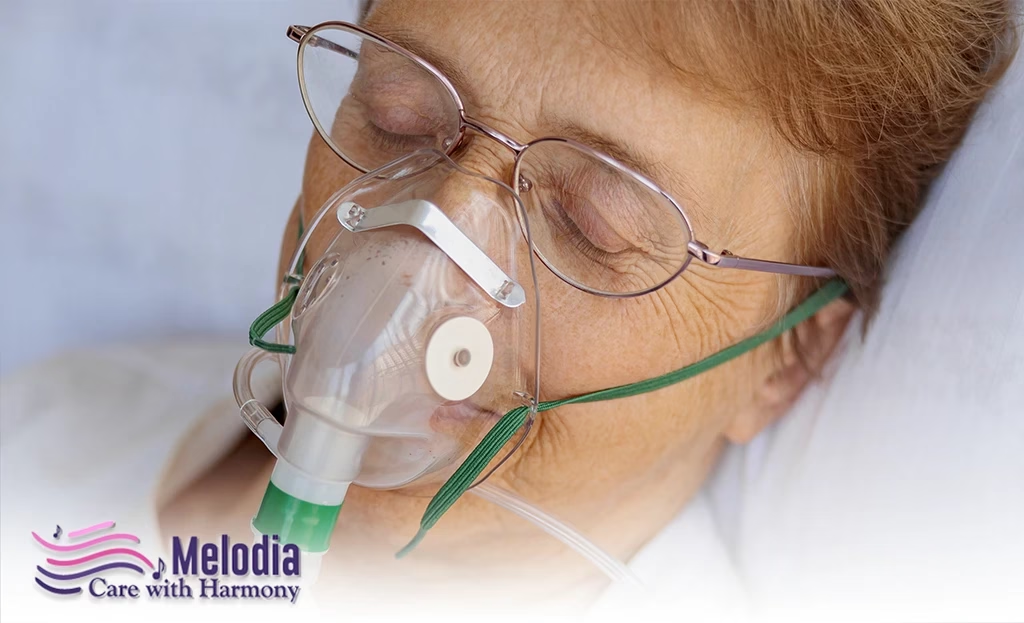
Oxygen therapy is often prescribed for patients with:
- Chronic obstructive pulmonary disease (COPD)
- Heart failure
- Pulmonary fibrosis
- Advanced lung cancer
- Pneumonia or other respiratory infections
In hospice care, the goal is symptom relief rather than curative treatment. Oxygen helps reduce shortness of breath, fatigue, and anxiety, allowing patients to rest more comfortably.
Types of Oxygen Delivery Systems
- Oxygen Concentrators – Electric devices that filter oxygen from room air (best for stationary use).
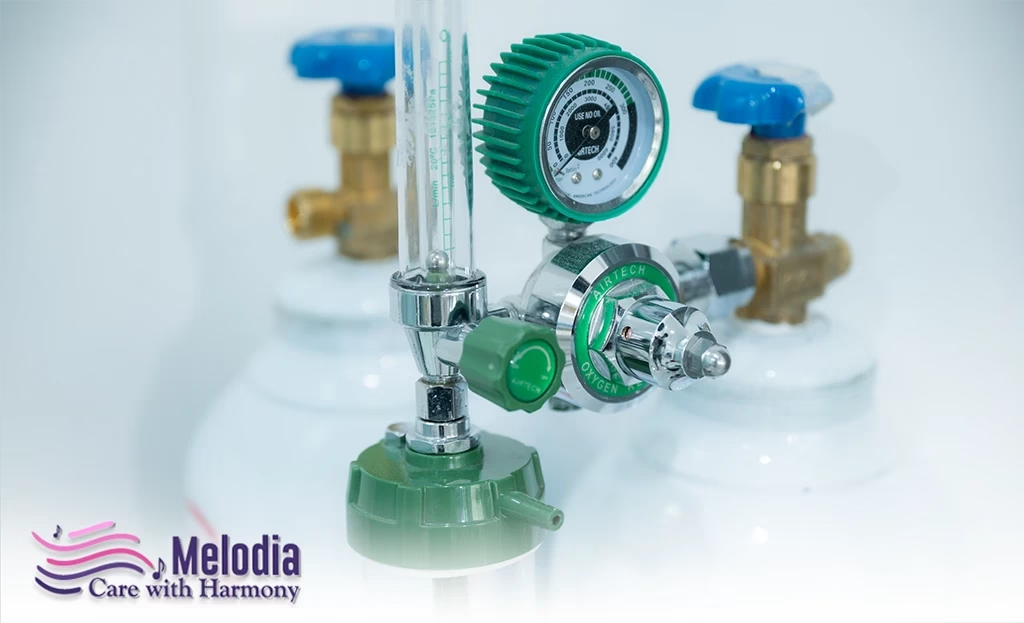
- Compressed Oxygen Tanks – Portable cylinders filled with pressurized oxygen (ideal for mobility and backup).
- Liquid Oxygen Systems – Store oxygen in liquid form, providing a longer supply (less common in hospice).
This guide focuses on compressed oxygen tanks, which are widely used due to their reliability and ease of use.
Step-by-Step Guide: How to Use an Oxygen Tank Safely
Step 1: Gather Your Supplies
Before starting, ensure you have:
- Oxygen tank (labeled “Medical Oxygen”)
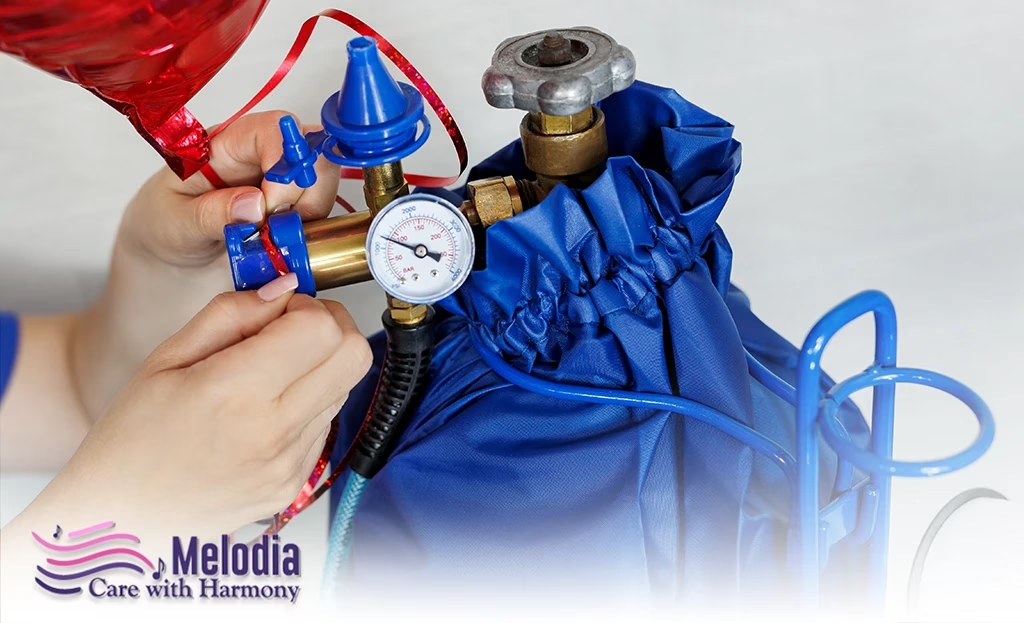
- Oxygen regulator/flowmeter (controls oxygen output)
- Nasal cannula or oxygen mask (as prescribed)
- Oxygen tubing (connects to the delivery device)
- Humidifier bottle (if prescribed) (adds moisture to oxygen)
- Wrench (if needed to open the tank valve)
Step 2: Safety Precautions
- NO SMOKING – Oxygen is extremely flammable; keep it away from fires, sparks, and heat sources.
- Secure the Tank – Place it on a stand or against a wall to prevent tipping.
- Avoid Oil-Based Products – Never use petroleum jelly or oil-based creams near oxygen equipment.
- Check for leaks – Listen to hissing sounds and inspect connections.
Step 3: Prepare the Oxygen Tank
- Remove the protective cap from the tank valve.
- Quickly “crack” the valve (open and close it briefly) to clear dust (point away from people).
Step 4: Attach the Regulator/Flowmeter
- Align the regulator with the tank valve.
- Hand-tighten the regulator (turn clockwise).
- Use a wrench if needed (but avoid over-tightening).
Step 5: Set the Oxygen Flow Rate
- Check the prescribed flow rate (e.g., 2 liters per minute).
- Turn the flowmeter dial to the correct setting.
- Listen for oxygen flow (a gentle hissing sound).
Step 6: Connect the Oxygen Delivery Device
- Nasal Cannula:
- Insert prongs into nostrils.
- Loop the tubing over the ears and adjust the slider under the chin.
- Oxygen Mask:
- Place over the nose and mouth.
- Secure the elastic band around the head.
Step 7: Add a Humidifier (If Prescribed)
- Fill the bottle with distilled or sterile water to the marked line.
- Attach it between the regulator and the tubing.
- Ensure no water leaks into the tubing.
Monitoring and Maintenance

1. Checking Oxygen Levels
- The pressure gauge shows remaining oxygen:
- Full tank: ~2000 psi
- Needs replacement: Below 500 psi
2. Ensuring Patient Comfort
- Check for skin irritation from the cannula/mask.
- Keep the tubing untangled and unobstructed.
- Use a humidifier if the patient experiences dryness.
3. Replacing an Empty Tank
- Turn off the regulator.
- Slowly open the valve to release leftover pressure.
- Disconnect the regulator and attach it to a new tank.
Common Problems & Troubleshooting
| Issue | Possible Cause | Solution |
| No oxygen flow | The regulator was not attached properly | Reconnect and tighten |
| Hissing sound | Loose connection or leak | Check fittings or replace the O-ring |
| Dry or sore nose | Lack of humidification | Add a humidifier or adjust the flow rate |
| The tank empties too fast | High flow rate or leak | Check for leaks and adjust settings |
When to Contact Melodia Care Hospice
Call our team if:
- The patient has increased difficulty breathing.
- The oxygen equipment malfunctions.
- You notice confusion, dizziness, or bluish lips (signs of improper oxygen levels).
Conclusion
Using an oxygen tank correctly ensures hospice patients receive the comfort and relief they need. This guide allows caregivers to manage oxygen therapy while prioritizing safety confidently.
At Melodia Care Hospice, we’re here to support you every step of the way. If you have questions or need assistance, please let us know.
Need Help? Contact Melodia Care Hospice at 1 888 635 6347 or visit www.melodiacare.com.