

When a family member receives a terminal illness diagnosis, they frequently face difficult decisions. One of the most crucial things to do is to choose when and how to switch to hospice care. Families may make better decisions and make sure that patients get kind, personalized end-of-life care if they know what hospice care requires.
Melodia Care Hospice dedicates itself to assisting patients and their families during this challenging time. This guide explains hospice care, who can get it, what paperwork is needed, and how Melodia Care Hospice can help.
What is hospice care?

Hospice care is for patients with terminal illnesses that will kill them in six months or less. The focus changes from treating the illness to providing comfort, improving quality of life, and emotional support.
There are many places where hospice care can be given, such as
A place for assisted living
The patient’s house
A hospice
A residence for the elderly
Who Can Get Hospice Care?

A patient must meet certain medical and legal requirements to be able to get hospice care:
1. A terminal diagnosis
A doctor must say that the patient has a terminal condition and will only live for six months or less. Some common conditions that can qualify are:
- Cancer
- Heart illness that has gotten worse
- Lung illness in its latter stages
- Failure of the kidneys
- Dementias like Alzheimer’s
- Neurological conditions like ALS or Parkinson’s disease
2. No Curative Treatment
Hospice care is for people who are no longer receiving intensive, life-saving treatments. The main goal is to control the symptoms and make sure the patient is comfortable.
3. Documented Functional Decline
To be eligible for hospice care, you must also show signs of functional impairment, such as:
- Losing weight over time
- Less hunger
- More tiredness
- Having trouble with everyday tasks, including showering, eating, and walking
How to Get into Hospice

Step 1: Get a doctor’s approval
Two doctors, usually the attending physician and the medical director of the hospice, must sign off on the patient’s eligibility for hospice care.
Step 2: Get the patient’s permission
The patient or their legal representative must agree to hospice care and know that they are choosing palliative care instead of curative care.
Step 3: Picking a hospice provider
After getting certified, families can choose a hospice service like Melodia Care Hospice, which will make a care plan that is tailored to the patient’s needs and wants.
Key Requirements for Hospice Care
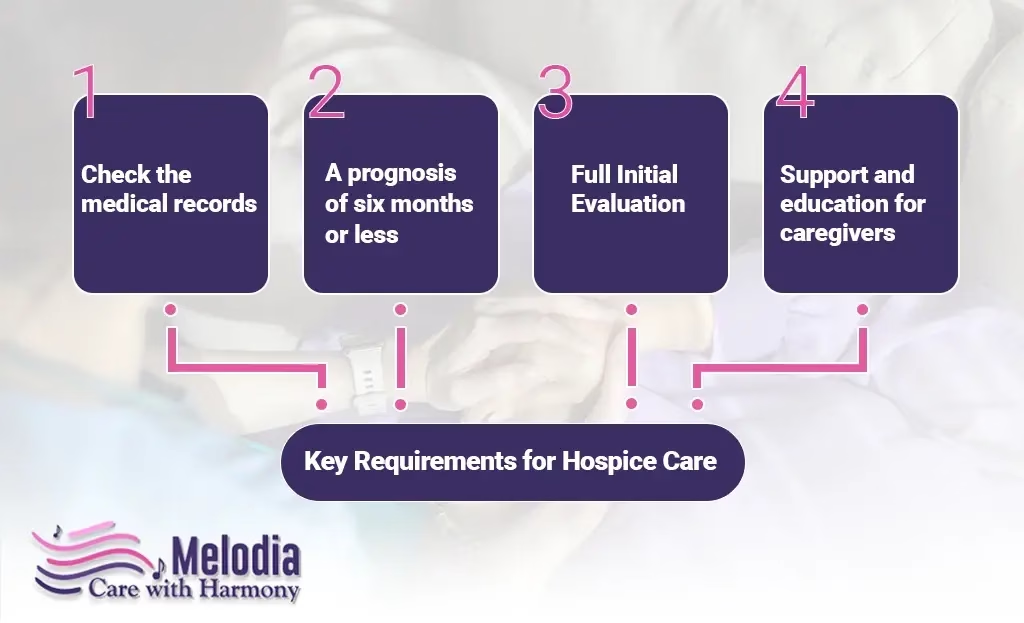
1. Check the medical records
The hospice team will look over the patient’s medical records, test results, hospital stays, and clinical notes to make sure they match the requirements.
2. A prognosis of six months or less
This prognosis must be based on how the sickness usually gets worse. If a patient survives longer than six months, they may still get hospice care if they are still worsening and are still eligible after being re-evaluated.
3. Full Initial Evaluation
Melodia Care Hospice will do a full initial evaluation within 48 hours of the patient’s arrival. This includes:
- Review by a doctor
- Assessment of function
- Evaluation of psychosocial factors
- Assessment of spiritual requirements
4. Support and education for caregivers
Family caregivers are an important part of the hospice team. Training and advice on how to handle the patient’s symptoms, give them drugs, and give them emotional support are all part of hospice care.
What Services Are Included in Hospice Care?

Hospice care is a whole-person approach that meets physical, emotional, and spiritual requirements. We offer the following at Melodia Care Hospice:
- Managing pain and other symptoms
- Nursing care, which includes regular visits and being available 24/7 for questions
- Counseling and social work services
- Chaplain services for spiritual help
- Drugs and medical supplies
- Help for families who have lost a loved one
- Things People Often Get Wrong About Hospice Care Requirements
Myth #1: Only people with cancer can use hospice.
Fact: Anyone with a terminal illness, like heart disease, dementia, stroke, COPD, and more, can go to hospice.
Myth 2: Once you sign up for hospice, you can’t leave.
Fact: Patients can end hospice care at any moment if they want to improve or if their health gets better.
Myth 3: Hospice means giving up.
Fact: Hospice is about improving quality of life and providing comfort, not giving up.
When to Think About Hospice Care

It’s vital to know when it’s time for hospice. If you love someone:
- Has been in the hospital a lot in the last six months
- The patient is experiencing increasing levels of pain, nausea, or difficulty breathing. He has experienced significant weight loss and reduced appetite.
- Needs support with everyday tasks
- Doesn’t respond to therapies anymore
Melodia Care Hospice offers free consultations to help families learn about their alternatives and whether they qualify.
The Hospice Interdisciplinary Team’s Job

At Melodia Care Hospice, our team of professionals from different fields works together to make sure that every patient gets full care:
- Hospice Doctor: The hospice doctor is in charge of the patient’s medical care and works alongside their doctor.
- Registered Nurse: Takes care of symptoms and gives expert care
- Home Health Aide: Helps with bathing, grooming, and keeping clean
- Social Worker: Provides therapy and helps people find services
- Chaplain: Helps with spiritual and emotional requirements
- Volunteers: Give companionship and help caregivers take a break
How to Start Using Hospice Care

Talk to your doctor. Find out if hospice care is right for you.
Get in touch with Melodia Care Hospice. We’ll help you through the procedure.
Set up a free assessment. We’ll check to see whether your loved one is eligible and help you make a care plan.
FAQs.
What papers do you need for hospice care?
Doctors must give a written statement that the patient is terminally ill, coupled with medical records that back up the patient’s health and prognosis.
Can a patient still visit their doctor while in hospice?
Yes. Patients can still see their doctor and the hospice medical staff.
What happens if my loved one gets well while in hospice?
If the patient gets better, they may be able to leave hospice and come back later if they need to.
Does insurance pay for hospice?
Most private insurance companies, as well as Medicare and Medicaid, pay for hospice care.
Final Thoughts
It might be hard to figure out how to care for someone at the end of their life, but knowing what hospice care entails can help you feel better. At Melodia Care Hospice, we think that every moment is important. Our caring staff will help you every step of the way to make sure your loved one gets the respect, comfort, and care they need.
Call Melodia Care Hospice today to set up a free consultation or find out more about your hospice care options.