

In-home care and hospice environments, where patients sometimes have compromised immune systems and underlying medical disorders, infection prevention is a top priority. Effective infection control strategies help guarantee the safety and well-being of patients, caregivers, and family members. This blog will explore best practices, the need for infection control in home and hospice settings, and Melodia Care Hospice’s patient safety priority.
The Importance of Control of Infections
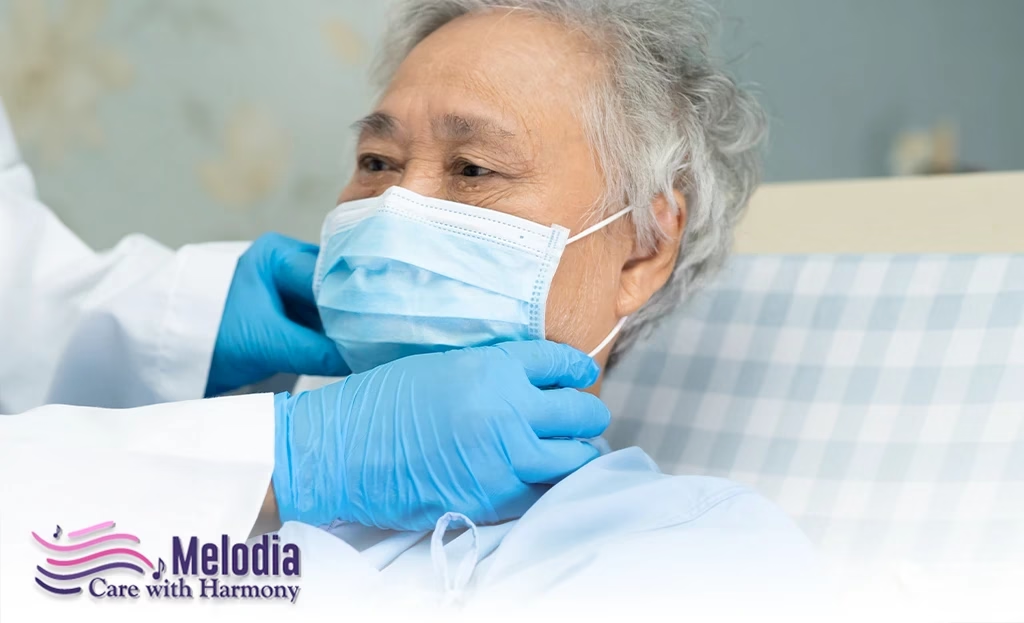
Patients’ Vulnerability
Patients in home care and hospice environments can recover from surgery, manage terminal conditions, or cope with chronic illnesses. Their immunocompromised statuses increase their vulnerability to infections from outside sources and community-acquired pathogens, which requires rigorous infection control measures.
Supporting Family Members and Caregivers
Infection management depends on patient protection, as does the protection of family members and caregivers. Following top standards helps reduce the possibility of infecting homes, guaranteeing that everyone stays well throughout a demanding period.
Improving the Quality of Care
Robust infection control plans improve the general standard of patient treatment. Particularly in hospice care, a lower incidence of infections translates into fewer hospitalizations, better symptom control, and an enhanced quality of life.
Home Care and Hospice Best Practices for Infection Control

1. Hand cleanliness
Good hand hygiene is among the most successful strategies for avoiding illnesses. Caregivers should wash their hands often using soap and water, mainly before and after patient contact, handling medications, or cleaning surfaces. Alcohol-based hand sanitizers can work well when soap and water are not handy.
2. PPE (personal protective equipment)
One must use suitable PPE. They should use gloves, masks, and gowns where needed, especially while doing jobs that can expose caregivers to bodily fluids or contaminated surfaces. Preventing cross-contamination depends equally on correctly disposing of discarded PPE.
3. Disinfection and Cleanliness
Preventing infections depends heavily on routine cleaning and disinfection of high-touch areas, including bathroom fixtures, light switches, and doorknobs. Create a cleaning calendar and ensure that the tools used fight germs effectively.
4. Effective Medication Administration
Safe storage and administration of drugs are vital. This covers verifying expiration dates, storing medications safely, and using correct hygienic practices while handling injections or pills to avoid contamination.
5. Patient Education
Safety can be much improved by arming patients and their families with information on infection management. This covers teaching children about symptoms of illness, proper handling techniques for supplies—such as oxygen tanks or catheters—and when to see a doctor.
6. Monitoring of Health Changes
Patients undergoing home care or hospice should be under close observation for any symptoms of infection, including fever, increased tiredness, or odd medical changes. Notifying doctors of any alarming symptoms right away can result in quick actions.
7. Vaccination
Ensuring that patients and caregivers are current on vaccinations—including the flu and pneumonia vaccines—helps to prevent infectious illnesses. Talk to doctors about your vaccination choices to protect against diseases avoidable by vaccines.
How Melodia Care Hospice Prioritizes Infection Control
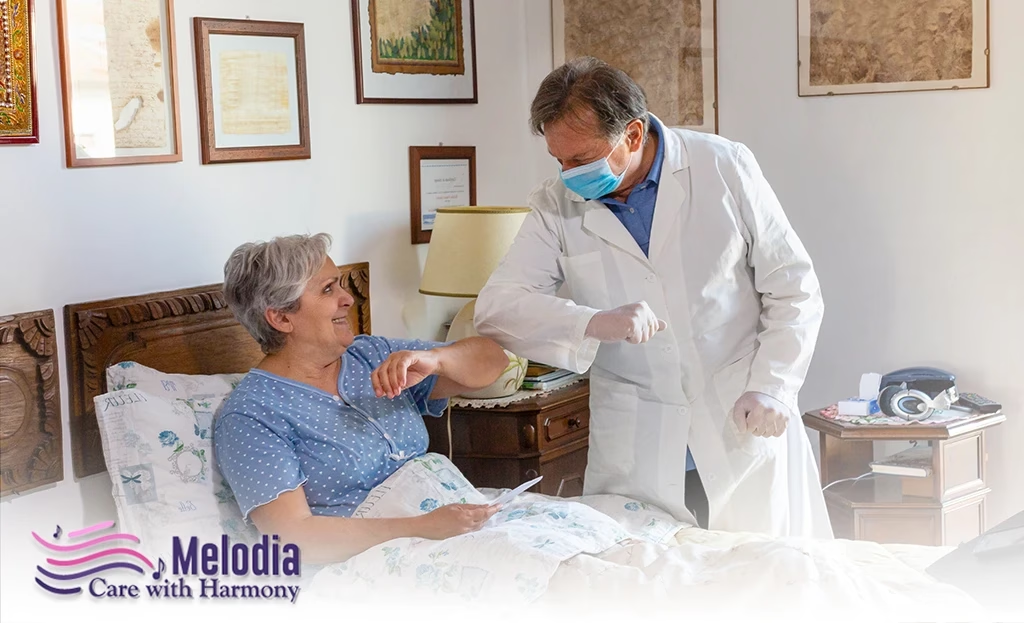
Our patients’ health and safety at Melodia Care Hospice are priorities. Our committed staff follow strong infection control measures catered to the particular requirements of every patient. Our first focus is:
- We involve family members in the care process by arming them with tools and knowledge so they may grasp and apply sensible infection control measures at home.
- Our caregivers constantly learn infection prevention techniques to be current on the most recent rules and procedures.
- We design customized treatment plans that consider the patient’s particular health issues and risk factors, enabling customized infection control strategies.

Conclusion
Infection control in home care and hospice environments is crucial for maintaining the safety and welfare of patients, caregivers, and families. Best practices in hand hygiene, PPE use, cleaning, education, and monitoring can help lower infection risk and improve care quality. Our goal at Melodia Care Hospice is to maintain the best infection control policies so that our patients receive compassionate and safe treatment during their most difficult circumstances.
FAQs
Why is infection control important in home and hospice care?
Infection control is vital because hospice and home care patients often have weakened immune systems. Preventing infections means fewer complications, fewer hospitalizations, and a more peaceful, comfortable environment for everyone involved.
Are home environments safe for terminally ill patients?
Yes—with proper infection control! Simple actions like frequent handwashing, disinfecting surfaces, and using PPE can turn any home into a safe, healing space.
What are the most common sources of infection in home care?
Infections often arise from improper hand hygiene, unsterile medical equipment, contaminated surfaces, and improper medication handling. Education and daily precautions are key.
How can families prevent infections while caring for loved ones at home?
Practice hand hygiene, disinfect high-touch surfaces, follow proper PPE protocols, store medications correctly, and monitor for signs of infection. Melodia Care Hospice offers guidance every step of the way.
What role does PPE play in preventing infections?
Personal protective equipment like gloves, masks, and gowns serve as barriers to infection. They protect both the patient and caregiver—especially during tasks involving bodily fluids or wounds.