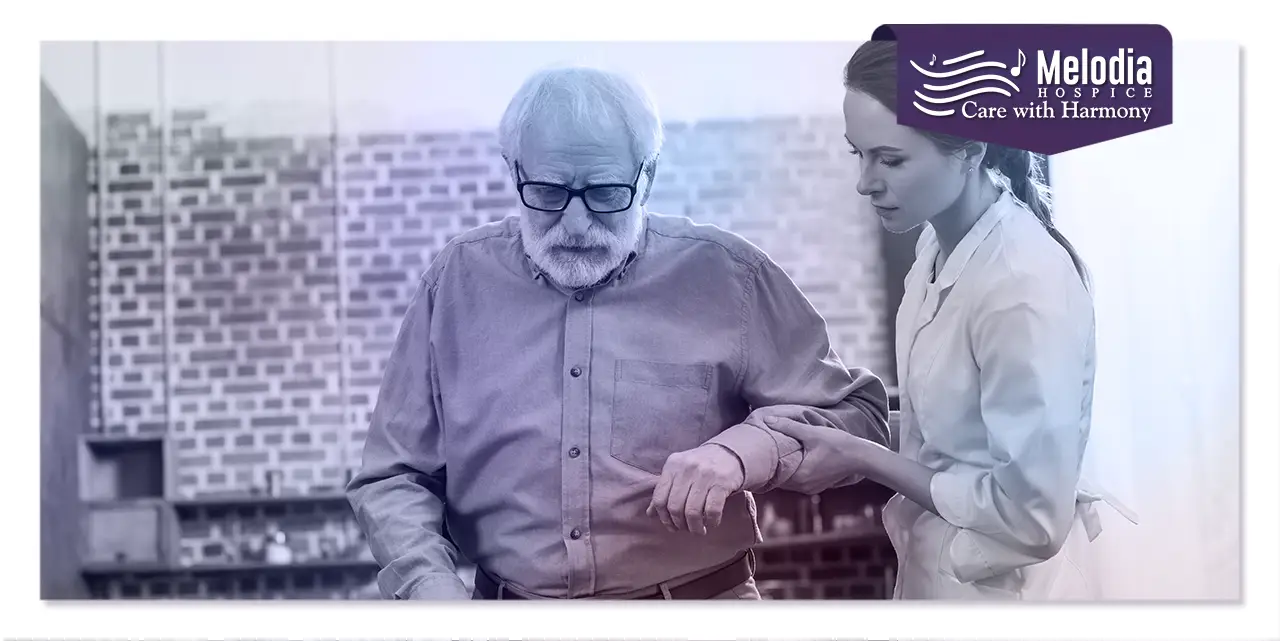

Dementia And Its Stages

One of the most difficult things to learn about dementia is that it is, in most circumstances, an irreversible and incurable condition. Early detection and treatment, on the other hand, can control and reduce the progression of certain types of dementia. The deterioration in cognitive function caused by dementia does not happen all at once. The progression of dementia can be split into seven distinct stages.
Learning about the phases of dementia aids in the early detection of signs and symptoms, as well as preparing patients and caregivers for what to expect at a later stage. If dementia is detected early, therapy can begin sooner.
There’s Been No Deterioration In Cognitive Function

Stage 1 dementia is sometimes known as a typical functional stage. Patients at this stage of dementia’s onset usually do not have severe memory or cognitive impairment. This stage of the dementia process is frequently referred to as “pre-dementia.”

Age-Related Memory Loss

Memory is occasionally lost at this stage. The following are the most prevalent scenarios:
Forget about where you’re supposed to place things.
Forget about the once-familiar name.
This minor memory loss, which is frequently a normal age-related reduction in cognitive function, is also one of the first indicators of degenerative dementia. At this point, the indications are almost undetectable in clinical trials. Concerns regarding the start of dementia at a young age should be linked to other symptoms.
Minimal Cognitive Impairment

Stage 3 sees the emergence of obvious cognitive issues. The following are some symptoms of stage 3 dementia:
- It is simple to become disoriented
- Significantly subpar job performance
- Forget about your family and close friends’ names.
- It is difficult to remember information read in books and texts.
- Important objects that have been misplaced or lost
- Concentration problems
As these symptoms begin to interfere with everyday tasks, patients frequently suffer mild to moderate anxiety. Patients who may be at this stage of dementia are urged to undergo clinical discussions with a doctor in order to receive an accurate diagnosis.
Mild Cognitive Dysfunction

At this stage, the individual may be socially withdrawn and exhibit personality and mood changes. Symptom suppression as a protective technique is typical in stage 4. The following symptoms could be seen:
- Reduced understanding of current and/or recent events
- It’s difficult to recall your personal history.
- Reduced ability to manage funds, plan travel, and so forth.
- Disorientation
- Faces and persons are difficult to recognize.
People with stage 4 dementia have trouble recognizing known faces or going to familiar areas. Patients at this stage, on the other hand, frequently avoid challenging situations in order to conceal their symptoms and minimize stress and worry.
Moderate Cognitive Dysfunction

Patients in Stage 5 require assistance to go about their daily lives. The main symptom of stage 5 dementia is an inability to recall vital details such as the name of a close relative or the address of one’s house. Patients may get disoriented about time and place, find it difficult to make decisions, and forget fundamental information about themselves, such as: Phone number or address.
Although moderate dementia can impair fundamental skills, people at this stage do not require assistance with activities such as going to the restroom or eating. Patients cannot also remember their own name, as well as the name of their spouse or child.
Moderate Severity Cognitive Dysfunction
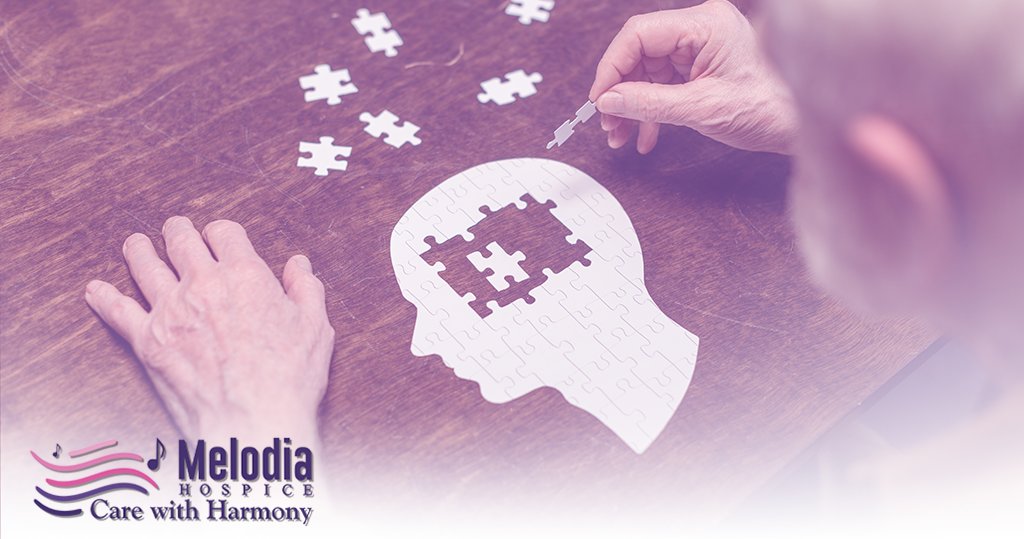
Patients who start forgetting the names of their children, spouses, or primary caregivers are more likely to have stage 6 dementia and require full-time care. Patients at stage 6 are often ignorant of their surroundings, unable to recall recent events, and have distorted personal past experiences. Families and caregivers should be aware of the following:
- delusory behavior
- Obsessive-compulsive symptoms and behavior
- Fear, aggressiveness, and ecstasy
- Willpower lapse
Patients may begin to wander, have difficulty sleeping, and, in some situations, suffer hallucinations.
Dementia With Severe Consequences

Patients lose their ability to communicate as they move to stage 7 dementia, in addition to motor skills. At the end, the brain appears to lose contact with the body. Severe dementia is frequently accompanied by a loss of all language and language skills. Relatives and careers must assist patients with walking, eating, and using the restroom.
Immediate diagnosis of the early stages of dementia may aid in obtaining treatment and delaying the advent of late stages. The majority of dementia cases are degenerative, but some are reversible, and dementia-like symptoms can be caused by a treatable underlying defect or illness. The more mindful you are of these stages, the faster you can react.
Difficulties For Elder Patient Suffering From Dementia

What Causes Foot Swelling?

Swelling, also known as edema, is frequent in the elderly. Chronic venous insufficiency is one of the most common causes of edema (CVI). This occurs when the valves in the blood vessels wear out, causing blood flow to slow. All of that extra water can lead to lower-body edema and varicose veins. CVI, if left untreated, can lead to more significant health issues such as ulcers and phlebitis. Congestive heart failure is another prevalent cause of edema. When the heart becomes weak and unable to pump blood as efficiently as it should, this is referred to as heart failure. In the short term, congestive heart failure causes veins to retain water. Congestive heart failure leads veins to retain water in the short term.
Certain drugs can also cause your body to retain water and swell, particularly in your lower limbs. Swelling can be caused by both kidney and liver disease, often known as cirrhosis. Some elderly persons also have lymphedema, which happens when the lymphatic system becomes clogged with fluid. Lymphedema typically affects only one leg or side of the body, rather than both.
If you have lower body edema, you will notice that it is worse at the end of the day than when you wake up in the morning. This is due to gravity drawing in water throughout the day and pulling it down to the lower body. This impact is most obvious when standing or sitting for an extended amount of time.
There is no blood or lymph flow if it is not moving. When you lie down at night, gravity pulls all of that water back into your core, gradually draining it from your legs and lowering swelling. Swelling occurs in dementia patients, particularly in persons over the age of 60.

What Is Edema?

Edema is a common condition in which extra fluid becomes trapped on your body’s tissues. This causes swelling and puffiness in the tissue just beneath your pores and skin on your toes, ankles, and legs. It might also have an impact on your arms and shoulders.
Minor edema frequently resolves on its own. Treatment options include lowering your salt consumption, exercising your toes and legs more than your heart, and changing your diet. Pose with legs up the wall while wearing compression stockings.
Taking diuretics and changing your prescription drugs according to a doctor’s advice.
Causes Of Edema

- Blood clots
- Surgery
- Lack of exercise, particularly sitting or remaining in one posture for extended periods of time.
- Predisposition is inherited.
- Fever, burns, trauma, or an allergic reaction are all possibilities.
- Gravity causes a great height.
- Excessive salt consumption and a poor diet.
- Heart, liver, kidney, and thyroid disorders.
- Specific drugs used to treat high blood pressure, pain, diabetes, and Alzheimer’s and Parkinson’s disease prescriptions.
What Are The Signs And Symptoms Of Edema?

- The affected area is swollen, which is an indication of edema.
- The enlarged skin region may appear strained and glossy.
- Gently press the swelling area for at least 5 seconds before releasing your finger, leaving a depression in the skin.
- Walking with swollen legs may be difficult.
- Coughing and trouble breathing can be caused by pulmonary edema.
- Expanded or bright pores and skin problem raised
End Stage Dementia In The Elderly

Caregivers must be aware that people with dementia are nearing the end of their lives. This is because it enables patients to receive the appropriate care at the appropriate time. It can be difficult to determine if this is due to changes in how dementia advances, but understanding the common end-of-life symptoms of older persons with dementia is beneficial. A chronology of indicators of dying in the elderly with dementia is shown below.
Within The Last Six Months

- Other illnesses, such as cancer, heart failure, COPD, and so on, can be diagnosed.
- Hospitalizations or visits to the hospital have increased.
The Last 2-3 Months

- Languages are restricted to a maximum of six words per day.
- Liquids or food that are difficult to swallow or suffocate
- They can’t walk or sit if they have incontinence.
Last Day Of The Week

- Hands, feet, arms, and legs may become colder.
- Unable to swallow
- Ultimate ecstasy or agitation
- More time sleeping and become unconscious
- Breathing changes, such as shallow breathing or spells of no breathing for a few seconds or up to one minute
Patients with dementia are eligible for hospice care if they are diagnosed with a 6-month or less survival time if the condition progresses normally. When a patient exhibits any of the symptoms listed above, it’s time to consult with a Melodia hospice specialist about how they may help provide additional care and support.
People with progressing dementia frequently have difficulties talking, so careers must constantly monitor their loved ones’ suffering and distress. Yelling, restlessness and sleeplessness, frowning, and sweating are all symptoms. This may also signify that it is time to contact the hospice or palliative care staff for pain management assistance.
If a person with end-stage dementia is unable to stand on their own, Melodia hospice can give a hospital bed or other means of raising their head.
The most painful time for a family is when a loved one with dementia is unable to eat or swallow. People with dementia frequently experience excruciating pain and attempt to avoid them because they do not comprehend the benefits of tube feeding and infusions, which cause further discomfort and increase the risk of infection.
How Hospice Aids In The Treatment Of End Stage Dementia?

Melodia Hospice care not only assists in recognizing the signals of death in the elderly with dementia, but it also assists in meeting the physical and emotional needs of care. As their patients’ needs change, nurses will be able to modify their prescriptions and care regimens. Bathing, grooming, and other personal hygiene routines can be assisted by helpers. Social workers assist in the organization of resources for patients and their families. Counselors and bereavement specialists can assist families with emotional or spiritual needs. Furthermore, families can contact the hospice at any time without waiting for the patient’s doctor’s approval. Please contact for additional information on hospice eligibility requirements and consultation schedules, as well as ways to support patients with dementia and their families.
You can reach Melodia Care at any time of day or night by contacting us through our 24/7 online customer support chat or by calling 1-888 635-6347 (MELODI-7).