

Pneumonia, an infection that inflames the air sacs in the lungs, is a common condition among patients at the end of life. For individuals with terminal illnesses or advanced age, managing pneumonia is not just about treatment but also ensuring comfort and dignity. End-of-life care for pneumonia focuses on symptom management, emotional support, and maintaining the highest possible quality of life.
What is End-of-Life Care for Pneumonia?
The provision of physical, emotional, and spiritual support to those who are in the final stages of a life-limiting condition is what is meant by the term “end-of-life care.” In the case of patients suffering from pneumonia, this care covers:
- Reducing pain, shortness of breath, and discomfort is important to symptom control.
- An important part of decision-making is helping families make decisions about treatment that are in accordance with the patient’s preferences.
- Holistic support refers to the provision of emotional and spiritual care to patients as well as the families of such patients.
Why Pneumonia at the End of Life Requires Special Attention
It is possible that pneumonia, which is frequently referred to as “the old man’s friend,” is a normal step in the process of dying. On the other hand, it also presents difficulties such as:
- Suffocating discomfort and difficulty breathing are present.
- Families and carers are subjected to a significant emotional and physical burden.
- The use of antibiotics, ventilators, and other therapies are examples of difficult medical decisions that need to be made.
Common Symptoms of Pneumonia in End-Of-Life Patients
Understanding the symptoms can help caregivers and families anticipate the needs of their loved ones. These symptoms include:
- Persistent coughing, sometimes with mucus.
- Shortness of breath or difficulty breathing.
- Fatigue and lethargy.
- Fever or chills.
- Chest pain or discomfort.
Medical Management of Pneumonia at the End of Life

When it comes to patients who are terminally ill, the focus frequently turns from healing the infection to providing palliative care. An example of what medical management may entail is as follows:
1. Oxygen Therapy
Oxygen treatment can be administered to reduce the patient’s shortness of breath and ensure they are as comfortable as possible.
2. Pain Relief
In order to alleviate the feeling of being out of breath and to control pain, it is possible to make use of medications such as opioids.
3. Nutrition and Hydration Regulation
The provision of artificial hydration and nutrition may not be suggested for all patients; however, the provision of comfort through the consumption of ice chips or sips of water can be of assistance.
4. Antibiotics
There are situations in which antibiotics might be administered to treat the infection, particularly if doing so is under the patient’s desired course of treatment. Nevertheless, this choice must be carefully considered in light of the potential adverse consequences as well as the overall advantages as well.
Non-Medical Support in End-of-Life Care for Pneumonia

1. Spiritual and Emotional Assistance
Hospice teams offer emotional and spiritual support to assist patients and their families in navigating this difficult period.
2. Interaction with Family Members
Fostering candid dialogues enables patients to articulate their desires and offers families closure.
3. Comfort Measures
Repositioning the patient, preserving a calm environment, and keeping their skin clean are all simple actions that can improve comfort.
Key Decisions Families Face
Families often face difficult treatment decisions, such as:
- Whether to pursue aggressive interventions like ventilators.
- The use of antibiotics versus comfort-focused care.
- Transitioning to hospice care for holistic end-of-life support.
When to Transition to Hospice Care for Pneumonia
Hospice care focuses on improving the quality of life when curative treatments are no longer effective. It may be time to consider hospice care if:
- The patient is experiencing frequent hospitalizations for pneumonia.
- Symptoms are causing significant discomfort despite treatment.
- The focus has shifted from prolonging life to enhancing comfort and dignity.

How Hospice Care Supports Patients and Families
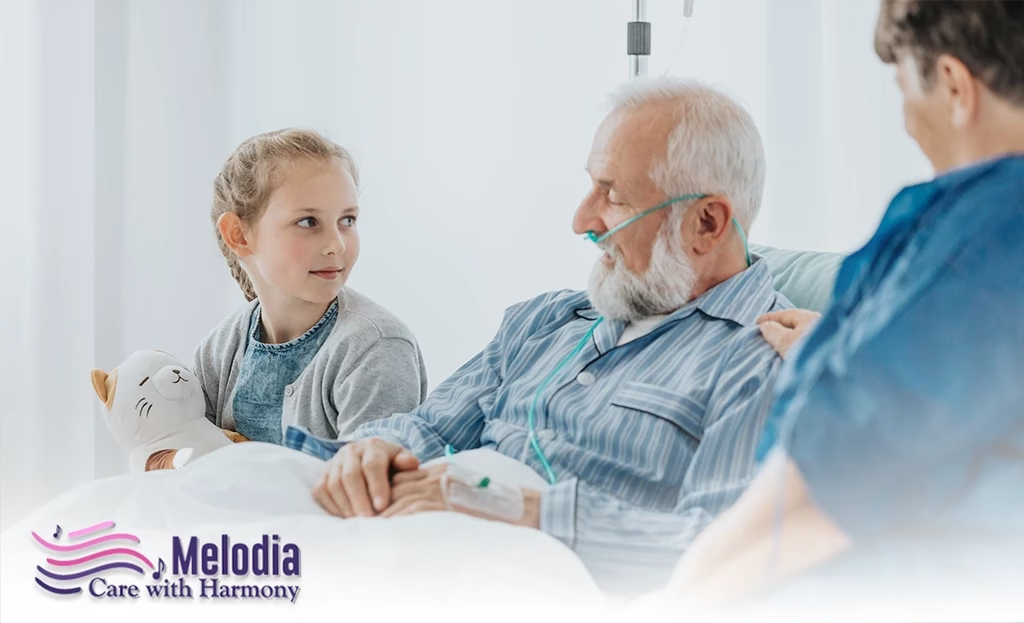
Melodia Care Hospice offers comprehensive support for patients with end-stage pneumonia, including:
- 24/7 Care Teams: Ensuring comfort and peace around the clock.
- Symptom Management: Tailored plans to relieve breathlessness, pain, and anxiety.
Counseling Services: Providing emotional and spiritual guidance to families.
Conclusion
End-of-life care for pneumonia is about compassion, respect, and understanding. It is not just about managing symptoms but also helping patients and families navigate their final journey with dignity and grace. At Melodia Care Hospice, we are committed to providing holistic support for those facing the challenges of terminal pneumonia.
For more information or to learn about our services, contact us today. Let us help you ensure that your loved one’s final chapter is filled with comfort and love.
FAQs
Why is pneumonia common at the end of life?
People who have weak immune systems, long-term diseases, or trouble moving about often get pneumonia. This is typical in the last stages of life. It can be a normal component of dying, especially in older people.
Are antibiotics always given to those who have pneumonia near the end of their lives?
Not always. When someone is in hospice care, the focus may change from treating the infection to making them more comfortable. If antibiotics make you feel better, you can use them. But occasionally, care that focuses on comfort without antibiotics is the more caring decision.
What are the signs that pneumonia is becoming life-threatening?
If your shortness of breath gets worse, you’re very tired, confused, and have a fever that won’t go away, it could mean that pneumonia is getting worse. Hospice professionals keep a close eye on these signals to make sure they can treat symptoms well.
Can a patient be comfortable without aggressive treatment for pneumonia?
Yes. Hospice care focuses on comfort through oxygen therapy, pain management, gentle hydration, and supportive care. This ensures that patients are at peace without having to undergo invasive treatments.
When should hospice care be considered for pneumonia?
When pneumonia keeps coming back, causes a lot of pain, or the patient no longer benefits from curative therapy, hospice care should be considered. It’s about putting comfort and dignity first.