

It might be hard for families to understand what “transitioning in hospice” means. Hospice care is meant to give patients who are close to death comfort, dignity, and support. “Transitioning” is a crucial part of this journey. At Melodia Care Hospice, we believe it’s essential to support families in understanding what this stage entails, identifying key indicators, and preparing both emotionally and practically.
In this guide, we’ll discuss what transitioning into hospice care entails, the physical and emotional changes that occur, how hospice workers assist, and how families can navigate this crucial period of care.
What Does It Mean to Transition in Hospice?

In hospice care, “transitioning” is the time when a patient is getting ready to die, usually in the last few days or hours. This is when the body starts to shut down on its own, and big changes happen in the body, mind, and spirit.
Transitioning is not the same as dying suddenly. It is a gradual process that unfolds when the body gets ready for death. Hospice care providers use this word to assist families in understanding that their loved one is getting close to this stage, so they can be there and offer comfort.
Signs That a Hospice Patient Is Transitioning

While every patient’s journey is unique, there are common signs that indicate transitioning into hospice:
1. Changes in Breathing
- Breathing may become uneven, shallow, or difficult.
- There may be times when breathing stops for a while.
- Fluid buildup in the neck can make breathing loud or “rattling.”
2. Decreased Appetite and Thirst
- Less Hunger and Thirst. Patients frequently quit eating and drinking altogether.
- As processes shut down, the body no longer needs food or water.
3. Extreme tiredness and sleeping
- Most of the time, patients sleep.
- They could be hard to wake up or look like they’re not responding.
4. Changes in Skin and Circulation
- The skin on the hands, feet, or knees may look chilly, mottled, or bluish.
- Blood circulation slows down as the heart weakens.
5. Withdrawal from Surroundings
- Patients may appear indifferent or disengaged from their environment.
- They may stop reacting to discussions or touch.
6. Changes in emotions and spirituality
- Some patients say they “see” loved ones who have passed away or talk about visions.
- This is a regular part of the process of changing.
How Hospice Supports Patients During Transition

At Melodia Care Hospice, our focus during transitioning is to ensure comfort, dignity, and peace. The hospice team provides care that addresses not only the patient’s physical needs but also emotional and spiritual well-being.
1. Pain and Symptom Management
- Medications are provided to ease pain, anxiety, restlessness, or shortness of breath.
- Comfort measures such as repositioning, oxygen therapy, or relaxation techniques are used.
2. Emotional Support for the Patient
- Hospice staff offer reassurance and companionship.
- Spiritual support is available for those who desire it.
3. Guidance for Families
- Nurses explain the signs of transitioning to family members.
- Families receive reassurance that what is happening is a natural part of life.
4. 24/7 Availability
- Hospice teams remain available around the clock to provide urgent support.
- Families never have to face this stage alone.
Emotional Impact of Transitioning on Families

Watching a loved one transition can be overwhelming. Families may feel sadness, fear, or helplessness. Hospice care includes bereavement counseling and emotional support to help families process these feelings.
Some families find comfort in being present during the final moments, while others may find it too difficult. Both experiences are natural and valid. Hospice professionals encourage families to focus on love, presence, and creating a peaceful environment for their loved one.
How Families Can Help During Transition
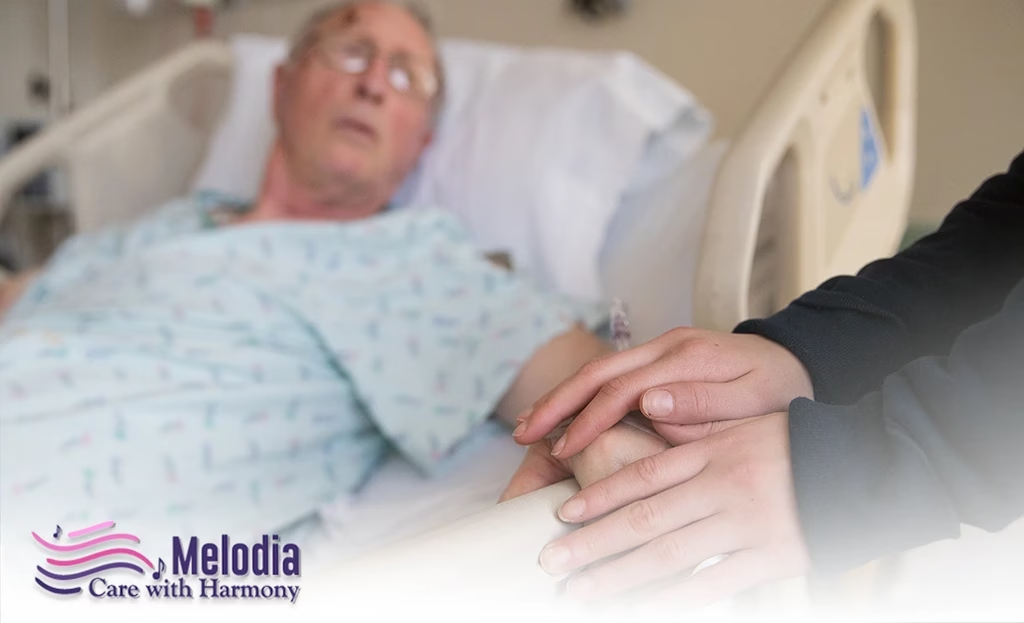
Here are meaningful ways families can support a loved one who is transitioning:
- Provide Comfort: Sit with your loved one, hold their hand, or gently speak to them. Even if they don’t respond, hearing is often the last sense to go.
- Create a Calm Environment: Play soft music, reduce noise, and keep the room peaceful.
- Honor Their Wishes: Respect any end-of-life preferences your loved one expressed earlier.
- Take Care of Yourself: Rest, eat, and lean on the hospice staff for guidance.
Transitioning in Hospice: A Time of Meaning and Peace

Though transitioning is a difficult time, it can also be deeply meaningful. Families often use this period to say final words, express gratitude, or simply sit with their loved ones.
Hospice care transforms this time into a moment of dignity and peace, ensuring that patients are not alone and that families receive the compassion and guidance they need.
At Melodia Care Hospice, we consider it an honor to support families through this profound stage of life.
FAQs
How long does the transition period last in hospice?
Transitioning might take anywhere from a few hours to a few days. Every patient has a different experience.
Is it painful to move to hospice?
No, the process of shifting itself is not painful. Hospice gives patients medicine and comfort care to keep them calm and free of pain.
Should I chat to my loved one when they are changing?
Yes. Hearing is usually the last sense to go, even if your loved one doesn’t answer. Being kind can help.
Can hospice tell you exactly when someone will die?
Hospice providers can tell when someone is transitioning, but they can’t say exactly when they will die.
What should families do when their loved one is going through a change?
Families should concentrate on being there, providing comfort, and fostering a tranquil atmosphere. The professionals at the hospice will help you every step of the process.
Conclusion
Transitioning into hospice is the natural last stage of life when the body gets ready to die. Families may be feeling a lot of things at this time, but hospice care makes sure that patients are comfortable, respected, and surrounded by affection.
We at Melodia Treatment Hospice are here to help families every step of the way. We give not just skilled medical treatment, but also compassion, empathy, and support.
You are not alone if you or a loved one is getting close to needing hospice care. We’re here to give you the attention and comfort you need.